
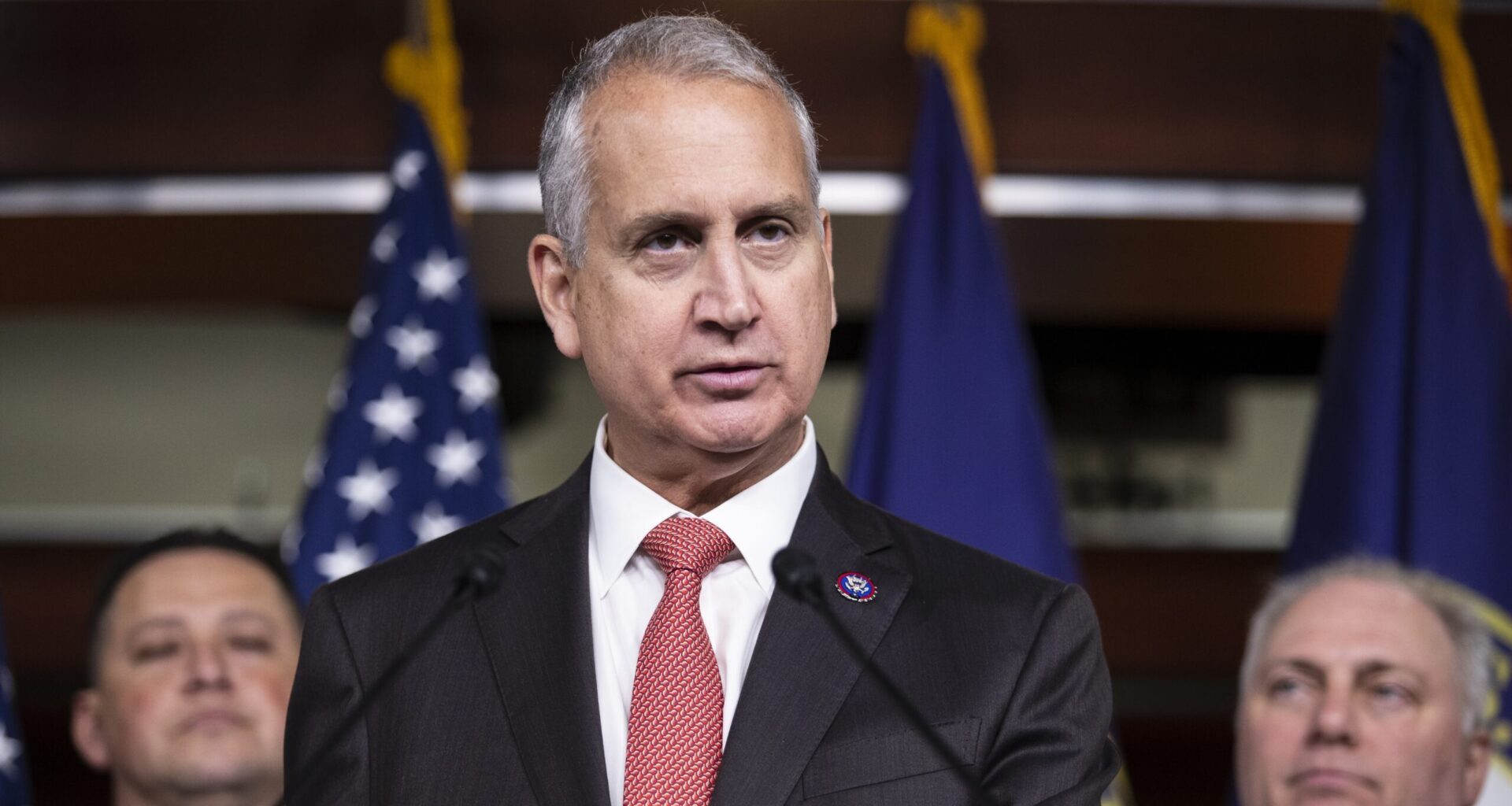
If it ain’t broke, don’t fix it. That seems to be Republican U.S. Rep. Mario Díaz-Balart’s thinking when it comes to responding to a new congressional map Florida lawmakers approved this week.
Díaz-Balart confirmed to Florida Politics that he intends to run again for Florida’s 26th Congressional District, which he’s represented since 2023 after the last round of congressional redistricting.
First elected to the U.S. House in 2002, he previously represented Florida’s 21st and 25th Congressional Districts.
“Definitely 26,” he said when asked which district seat he planned to pursue in the Midterms. “I’ve represented almost all of the areas over the years.”
Republicans in Florida’s Legislature this week pushed through a congressional map that Gov. Ron DeSantis’ Office designed to be more advantageous to GOP candidates in the Midterms, as President Donald Trump encouraged.

The map is expected to give Republicans up to four more seats — including two in South Florida — in the state’s 28-member delegation.
Under the previous 2022 map DeSantis’ Office also drew, CD 26 spread horizontally across southern Florida from Naples in Collier County to northwest Miami-Dade County, including the localities of Doral, Hialeah, Hialeah Gardens, Medley, Miami Springs, Miami Lakes and Virginia Gardens.
The district’s newly set boundaries, approved Wednesday, shed all of Collier while keeping the Miami-Dade portions.
Notably, state records show Díaz-Balart registered to vote from an address in Florida’s 28th Congressional District, which Republican U.S. Rep. Carlos Giménez has served in Washington, D.C., since 2021.
Federal lawmakers aren’t required by law to live in the district they represent. The U.S. Constitution requires only that House candidates be at least 25, have been U.S. citizens for seven years and reside in the state they seek to represent at the time of election — not within a specific district.

And under the U.S. Supreme Court’s 1995 decision in U.S. Term Limits v. Thornton, Florida and other states cannot impose additional qualifications, such as district residency.
Still, candidates often choose to run where they live.
Díaz-Balart, the longest-serving member of the Florida delegation to the U.S. House, has no GOP opponents so far in the race for CD 26.
Two Democrats — Nicole Locklin and Gil Yurina — are competing in an Aug. 18 Democratic Primary for the right to for the right to face him in the Nov. 3 General Election.
Through March, Locklin has raised $105,000, while Yurina has raised and spent $15,000.
Díaz-Balart, meanwhile, has amassed more than $1.5 million and entered the first quarter of 2026 with $2.2 million on hand.