
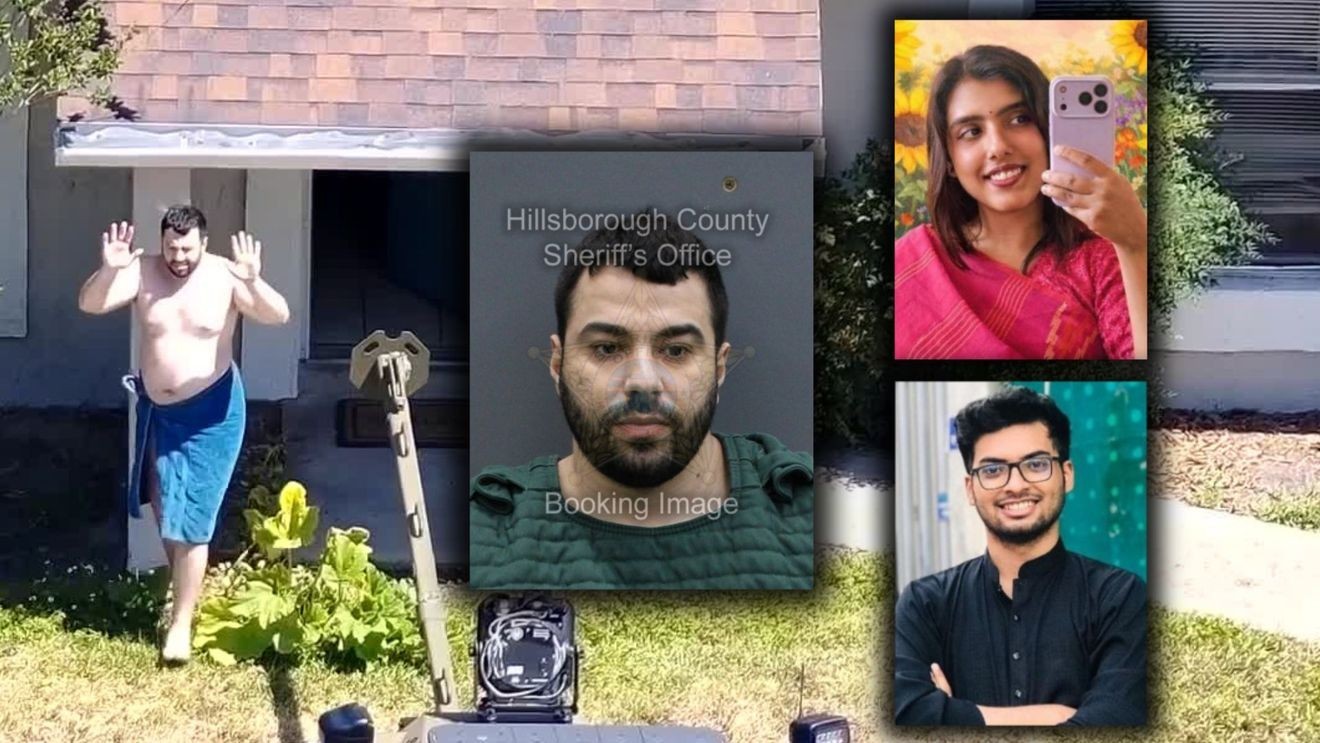
TAMPA, Fla. (CBS12) — “This was a calculated, premeditated act of pure evil.”
That is how Hillsborough County Sheriff Chad Chronister described the murders of University of South Florida doctoral students Zamil Limon and Nahida Bristy, on Friday, a case that began with worried classmates in mid-April and ended days later with the arrest of the man who shared Limon’s apartment.
The investigation began April 17, when the University of South Florida Police Department was notified that Bristy was missing. Friends and colleagues reported she failed to show up for work, missed academic obligations and stopped responding to messages—behavior authorities said was entirely out of character.
“She never missed her thesis meetings. She never missed work,” Chronister said. “That’s what immediately told us something was wrong.”
The following day, April 18, a friend contacted authorities to report Limon missing under similarly concerning circumstances.
“These were responsible, accountable students,” Chronister said. “When people like that suddenly disappear, we treat it as an emergency.”
Detectives soon focused on Limon’s off campus apartment, where he lived with two roommates. Investigators noted that one roommate, later identified as Hisham Aburghabieh, was evasive and inconsistent in his answers, while the second roommate provided information and cooperated.
See Related: USF double murder suspect denied bond as victim’s remains found and death penalty looms
While canvassing the area, detectives searched a trash compactor at the apartment complex and found several personal items belonging to Limon, including his student identification, wallet, glasses and heavily blood-soaked clothing.
“That discovery changed everything,” Chronister said. “At that moment, this was no longer just a missing persons case.”
With a search warrant, investigators returned to the apartment and used forensic technology to locate a large pool of blood in the kitchen, a trail down the hallway and evidence inside Aburghabieh’s bedroom indicating a body had been positioned on the floor. Officials said the amount of blood indicated the victim could not have survived the injuries.
Investigators also analyzed Aburghabieh’s cell phone, which had been wiped clean. A deeper forensic examination recovered internet searches made days before the students disappeared.
“He searched topics like whether a knife can penetrate a skull, if a neighbor would hear a gunshot, and how to dispose of a body,” Chronister said. “These searches happened before anyone was reported missing. This was planned.”
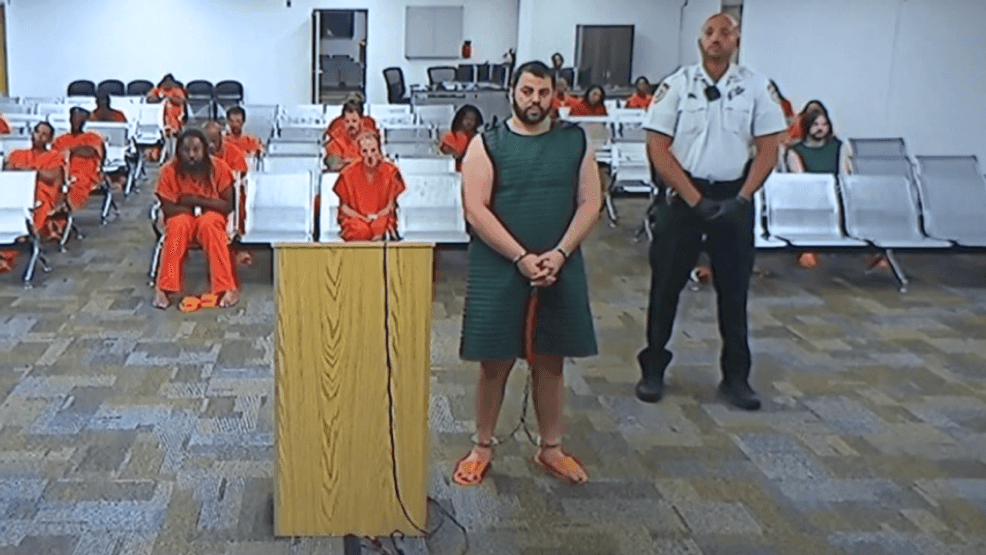
Hisham Abugharbieh, charged with two counts of first‑degree premeditated murder in the deaths of two USF doctoral students, according to the Hillsborough County Sheriff’s Office. (HCSO)
Cell phone location data placed Aburghabieh in Pinellas County and on the Howard Frankland Bridge in the days following the students’ disappearance. On April 22, detectives searched along the northbound side of the bridge and located a large black trash bag containing Limon’s remains.
“He was bound, stabbed multiple times and discarded,” Chronister said. “It’s horrific.”
Two days later, on April 24, recreational kayakers discovered another trash bag tangled in mangroves in Pinellas County. Due to advanced decomposition, investigators used DNA testing, dental records and clothing confirmation to positively identify the remains as Bristy. Her family was notified the same day.
While the recovery efforts were ongoing, deputies responded April 21 to a separate domestic violence incident involving Aburghabieh and his family. Believing he could be armed and dangerous, the Hillsborough County Sheriff’s Office activated its SWAT team. After hours of negotiation, Aburghabieh surrendered without incident. He now faces two counts of first-degree premeditated murder, with additional charges possible.
As investigators continued their work, the USF community gathered to mourn. At a prayer service held April 24 in Tampa, Limon’s aunt, Taslima Islam, spoke publicly about the toll her nephew’s death has taken.
“Where was security?” Islam said. “I am feeling scared now. If I see any persons, or suddenly I’m walking and I see any men, I’m getting scared. I’m not feeling mentally well. I’m also feeling sick.”
Islam confirmed that Limon lived only with Aburghabieh, the man now accused of killing both students.
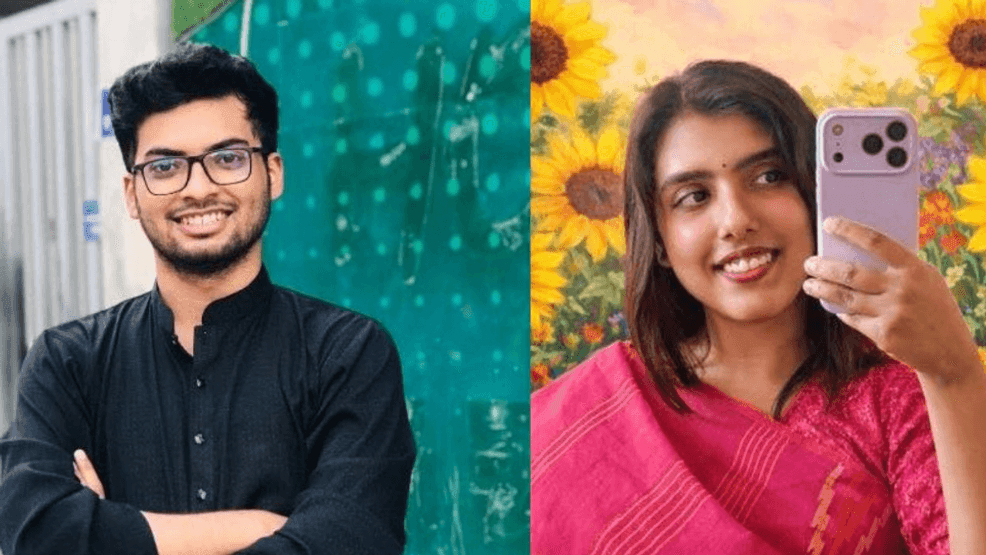
Authorities say human remains found on the Howard Frankland Bridge have been positively identified on Friday as Zamil Limon, 27, one of two University of South Florida graduate students who had been reported missing earlier this month, along with Nahida Bristy, 27. (Hillsborough County Sheriff’s Office)
Chronister said arrangements are being made to return both victims to Bangladesh for burial, honoring their families’ religious wishes.
“There’s no version of success anyone would choose here,” Chronister said. “Success would have been bringing them home alive. But we will give these families the truth, and we will hold the person responsible fully accountable.”
The sheriff urged students and residents to take concerning behavior seriously and report it immediately.
“If something doesn’t feel right,” he said, “trust that instinct and call us. It can save lives.”