
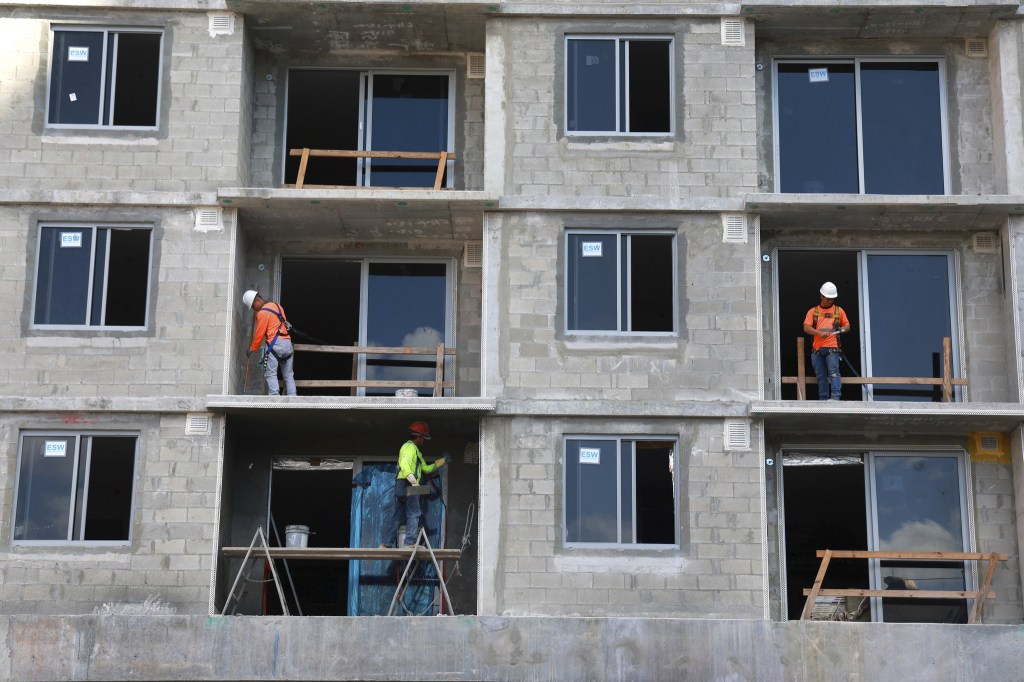
Housing affordability is top of mind for Floridians. State leaders have considered a variety of proposals to address rising costs, from easing property taxes to reforming zoning laws. But as they consider policies that will result in more affordable housing, lawmakers should also consider reexamining worker regulations. In doing so, they have the opportunity to lower costs while also creating new jobs for Floridians.
Labor reform would target high construction costs in order to create more new homes. Labor is a major portion of construction expenses, making up around 30% of costs. For new homes with a median price over $400,000, labor costs can exceed $100,000. Developers often struggle to hire workers, which delays home construction and further increases prices. The solution is to make it easier for developers to hire workers that can build homes.
 Maxwell Harden is a research assistant at Florida State University’s Institute for Governance and Civics. (courtesy, Maxwell Harden)
For developers looking to hire, professional licensing is a major obstacle. In home construction, licensed occupations include electricians, plumbers, architects, engineers and various other technicians. Most licenses require years of work experience, classroom education and state exams. Without a license, tradeworkers, contractors and other professionals cannot complete unsupervised construction work. Consequently, licensing laws lower the number of workers available to build homes, limiting the supply of affordable housing.
Often, licenses are portrayed as safety measures. Advocates argue that these restrictions ensure workers build safe structures. However, there is limited evidence to suggest that licenses guarantee public safety. A report by the Mercatus Center, a libertarian, nonprofit think tank, found that in 84% of licensing studies, the effect of licensure on job performance was negative, mixed or inconclusive.
Critics may suggest that licenses for tradeworkers like electricians are still necessary given the dangers inherent to construction. But additional research at the Bureau of Labor Statistics undermines their claims, finding no connection between licensing and workplace safety.
Rather than guarantee safety, licenses add costs. A different study revealed that professional licensure reduces job opportunities, particularly for minorities and low income earners who may struggle to afford licensing fees and training. Evidence shows that licensure does not protect the public; it hurts the disadvantaged. These harms, alongside their role in rising housing costs, suggest licensing reform can deliver both jobs and a quicker expansion of the housing supply.
Policies should empower workers to address housing shortages. One option is to allow construction professionals from other states to work in Florida automatically. The Florida Legislature has recently made construction worker relocation easier, but deals with other states to allow the free movement of professionals could expand these benefits further.
Alternatively, Florida could legalize more unlicensed work, much of which is already done under the supervision of licensed contractors. For example, rather than accumulate years of experience before receiving a license, contractors could be allowed to independently work on projects that correspond with their skills. This reform could include unlicensed electricians working on repair projects or plumbers without licenses doing lower risk jobs independently.
Addressing housing costs is critical for Florida’s future. State leaders should look beyond land use and taxation as tools for lowering prices. Labor is a major portion of home costs and is therefore a major opportunity for reform. An evidence-based approach to construction worker regulations can benefit a wide variety of stakeholders. By embracing new policies, lawmakers can provide opportunities for homebuyers and workers.
Maxwell Harden is a research assistant at Florida State University’s Institute for Governance and Civics specializing in economic policy and labor markets.