
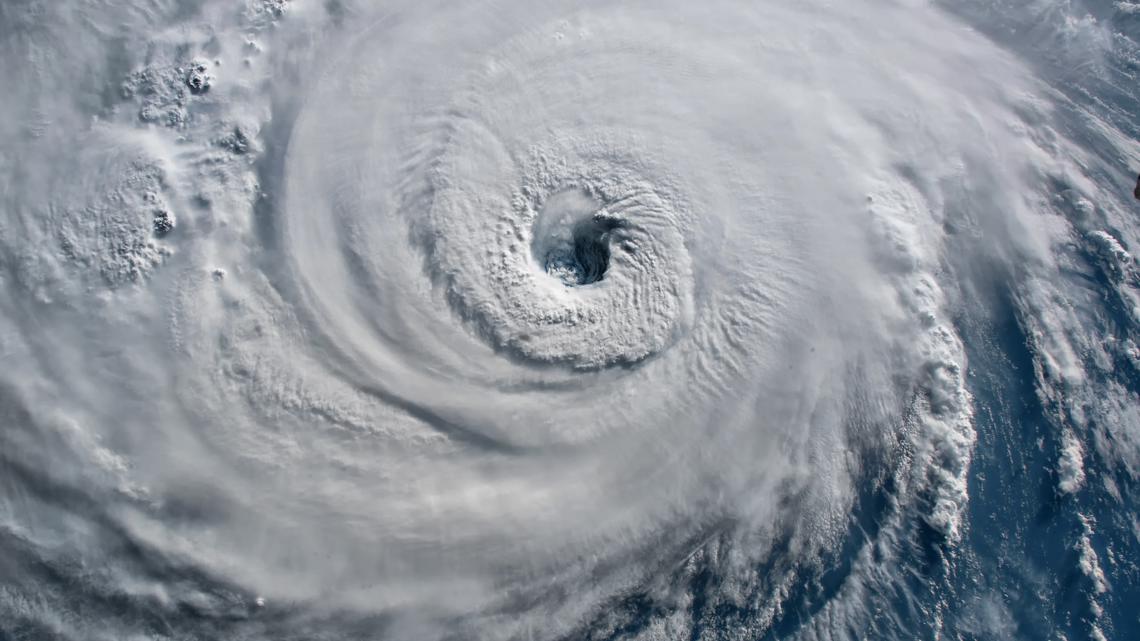
Researchers are predicting a slightly below-average hurricane season in 2026.
TAMPA, Fla. — Hurricane Preparedness Week is underway, which means the countdown is on to the start of hurricane season.
Florida steered clear of hurricanes in 2025, but before that, parts of the state were devastated by both hurricanes Helene and Milton in 2024, including right here in the Tampa Bay area.
That means it’s important to stay vigilant and storm-ready.
As you start to think about the best time to prepare, there’s one deadline you should keep in mind: the official start of hurricane season.
When does hurricane season start?
The 2026 Atlantic hurricane season runs from Monday, June 1, to Monday, Nov. 30.
The National Hurricane Center (NHC) says the peak of hurricane season is Sept. 10, with most activity occurring between mid-August and mid-October.
The first named storm typically forms in mid to late June, the first hurricane tends to form in early to mid-August, and the first major hurricane usually forms in late August or early September, the NHC says.
Experts say tropical cyclone activity sometimes occurs before and after the hurricane season.
Will this hurricane season be active?
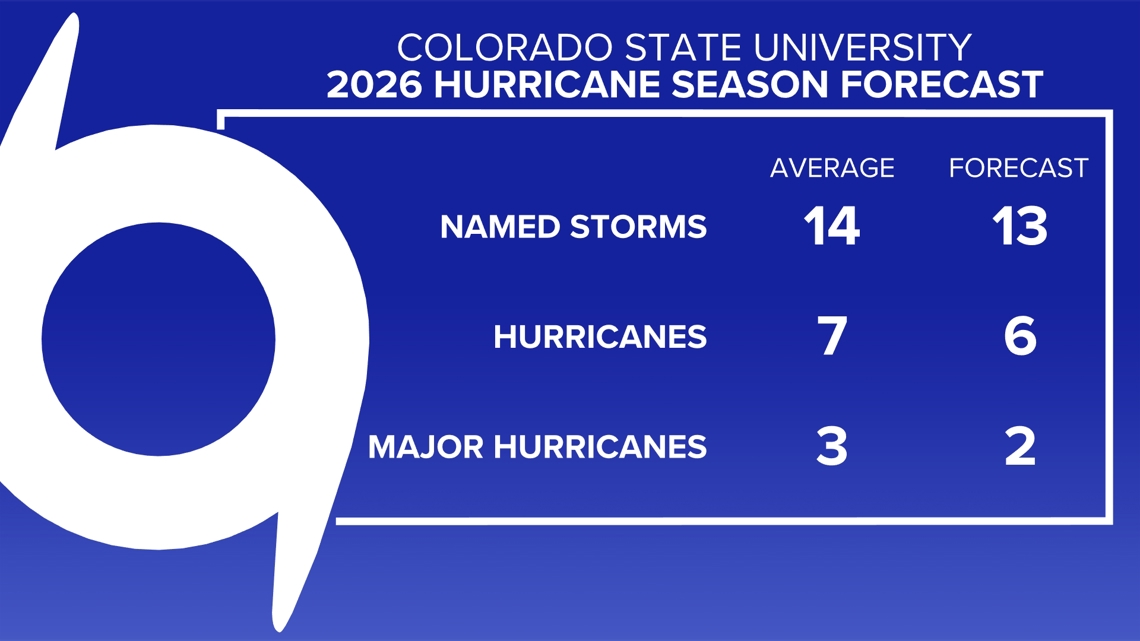
Researchers at Colorado State University (CSU) are predicting a slightly below-average season in 2026, based on their preliminary forecast.
CSU is predicting this hurricane season will see 13 named storms, 6 hurricanes and 2 major hurricanes.
In their discussion, forecasters noted a strong El Niño is expected to develop, which will promote higher-than-normal windshear in the Atlantic Basin and could lessen the potential for development and landfall of major hurricanes here in the continental United States.
“We are forecasting a below-average probability for major hurricane landfalls along the continental United States coastline and in the Caribbean,” CSU forecasters wrote.
It’s important to note that this is not the National Hurricane Center’s official forecast, but it is still a reliable forecast to get an idea of what to expect for the upcoming season.
What is El Niño?
A super El Niño is an especially strong phase of the El Niño–Southern Oscillation, when sea surface temperatures in the central and eastern equatorial Pacific become significantly warmer than average — typically exceeding about +2.0°C above normal.
During El Niño years, warmer Pacific waters shift the jet stream farther south and increase upper-level winds across the Atlantic basin. Those stronger winds, known as wind shear, can disrupt tropical systems before they have a chance to strengthen.
Forecasters say that could mean fewer hurricanes during the 2026 Atlantic season, especially if the strongest part of El Niño develops near the peak of hurricane season.
Still, meteorologists are repeatedly warning residents not to assume Florida is safe from damaging storms.

Download the 10 Tampa Bay app


Need hurricane supplies? These items are permanently tax-free
In 2025, Florida lawmakers axed two hurricane tax holidays, opting instead to make some items sales tax-free year-round.
That means instead of waiting for two-week tax holidays to build your hurricane kits, you can buy certain items without sales tax at any time.
Batteries (AA-cell, AAA-cell, C-cell, D-cell, 6-volt and 9-volt)Portable generatorsFire extinguishers, smoke detectors, alarms and carbon monoxide detectorsInsect repellentSunscreenLife jacketsWaterproof tarps (1,000 square feet or smaller)Ground anchor systems and ti-down kitsGas/diesel fuel cans up to five gallons
What can I start doing to prepare?
10 Tampa Bay News is committed to making sure you have all the information you need at your fingertips.
Find your evacuation zone here.Find more information on tax-free hurricane supplies here.Find out how you can take part in the ongoing Hurricane Preparedness Week here.
10 Tampa Bay News’ Andrea Chu and Eric Glasser contributed to this report.