
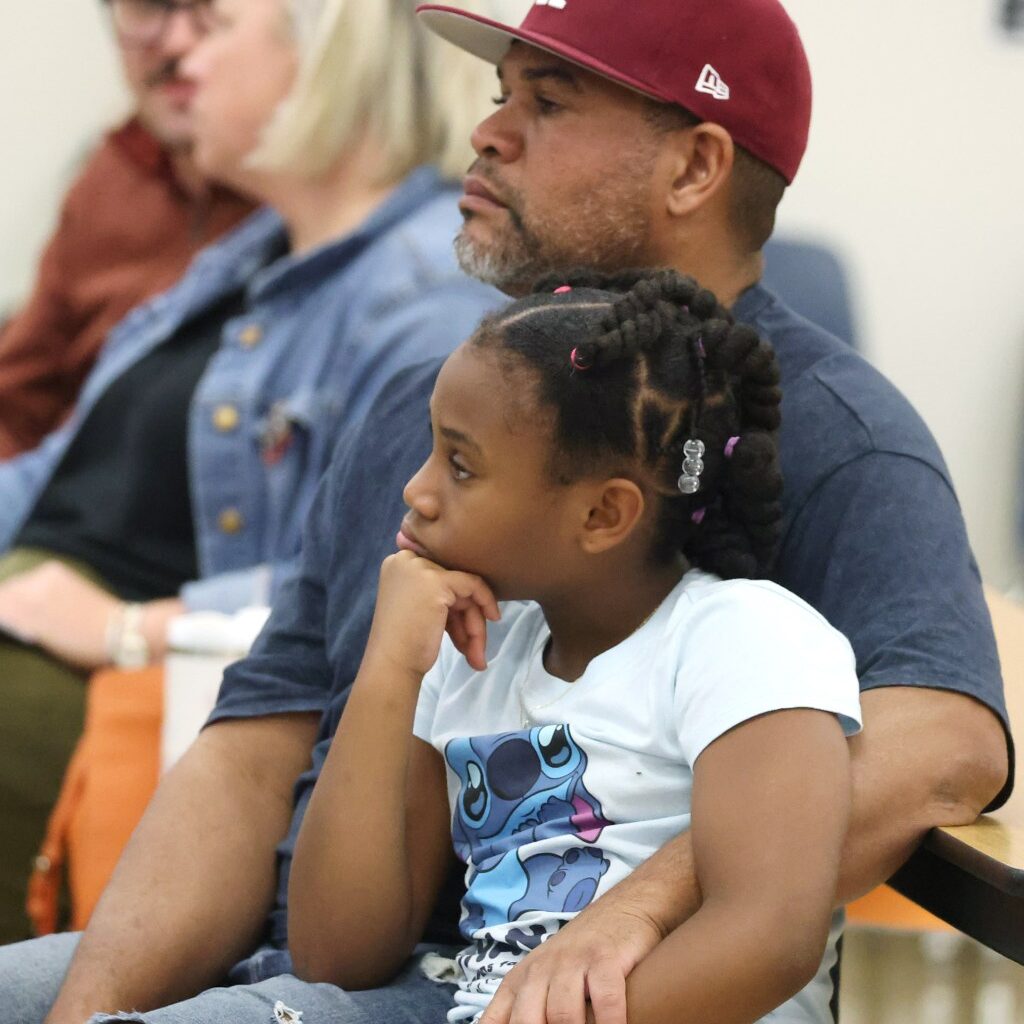
Seven schools have closed in Orange County this year, and seven more may close next year. That should alarm every resident, not just parents.
The conversation around these closures has focused on two primary causes. Florida’s expanded school voucher program has shifted students out of the public system, and recent immigration policy changes have led to measurable enrollment declines. District leaders have acknowledged what many schools are seeing in real time: families are withdrawing students, some leaving the district entirely, others choosing not to enroll because of fear and uncertainty tied to enforcement policies.
Those factors are real, and they are contributing to what we are seeing right now. There are also issues within the school system that need to be addressed.
But even taken together, those explanations are incomplete.
There is a deeper issue that has been building for years, and it is now catching up to us. There are not enough children entering the system to replace the ones graduating out of it.
What we are seeing is a population gap moving through our schools. Each year, another grade level gets smaller behind it. Over time, that compounds. Class sizes shrink, campuses become underutilized, and eventually entire schools are no longer sustainable. The closures happening today were set in motion long before recent policy changes.
People are not having children at the rate they used to, and the reason is not complicated. The cost of living has made it unrealistic for many people to start or grow a family.
In Orange County, housing is the most immediate pressure point. Rent continues to rise while homeownership moves further out of reach. Even households with steady income are forced into short term decisions instead of long term planning. Healthcare adds another layer of instability, and the cost of having a child is significant. Childcare reinforces that pressure, often costing as much as housing. Wages have not kept pace with any of it.
So people wait. They delay having children until they feel stable, and increasingly that stability never comes in a way that makes the decision feel responsible.
This shows up in real conversations every day. People want children, but they are doing the math and realizing it does not work.
When enough people reach that conclusion, the impact extends far beyond individual households. It reshapes systems, and public education is one of the first places where that becomes visible.
Schools depend on a basic assumption that each generation will be followed by another of similar size. When that assumption breaks, everything else starts to shift. Fewer students mean less funding, which forces difficult decisions. Programs are reduced, staff is cut, and campuses close. Communities lose institutions that have served as anchors for decades, and once those schools are gone, they rarely return.
What makes this moment particularly important is that we are at risk of addressing only part of the problem. If we focus solely on vouchers, immigration policy, or internal school reforms, we may slow the decline, but we will not reverse it. If the cost of living continues to prevent people from having children, enrollment will continue to fall regardless of what changes are made within the school system.
At the same time, ignoring the issues within the school system would be just as shortsighted. Families make decisions based on quality, access, and trust, and those factors must be part of the solution.
If we fix one without addressing the other, we will continue to see the same outcome.
A strong public education system cannot exist without a stable population of families who can afford to raise children. That stability is directly tied to housing, healthcare, childcare, and wages. Those are not separate conversations from education. They are the foundation of it.
The real question is whether Orange County is a place where people can realistically build a life that includes raising a family.
Right now, for a growing number of people, the answer is no. If that does not change, school closures will not be the crisis we are trying to solve. They will be the outcome of a much larger one.
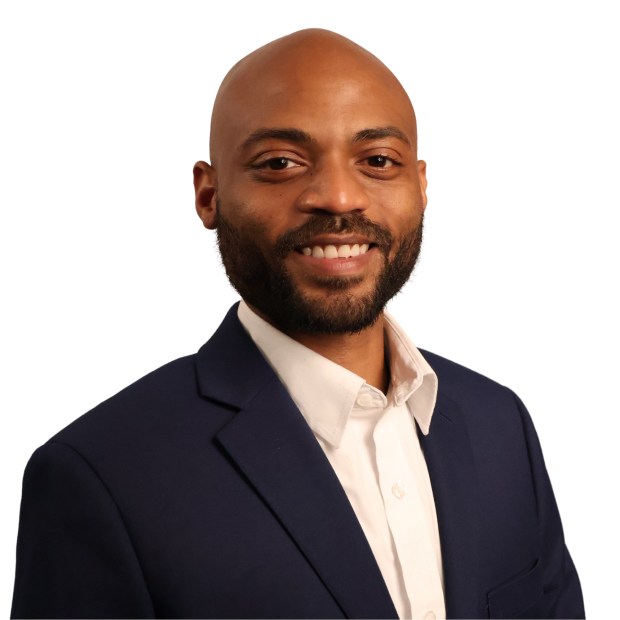
Aaron Lewis is co-founder and president of the Framily Support Network, a nonprofit serving vulnerable populations in Central Florida. His work focuses on the impact of housing, healthcare, and cost-of-living pressures on community stability.