
Major changes could now be coming to the way the government responds to disasters — including hurricanes in Tampa Bay.
A FEMA review council created by President Donald Trump recommended a major overhaul of the federal disaster response system Thursday, shifting more responsibility to states while speeding up how disaster aid reaches communities.
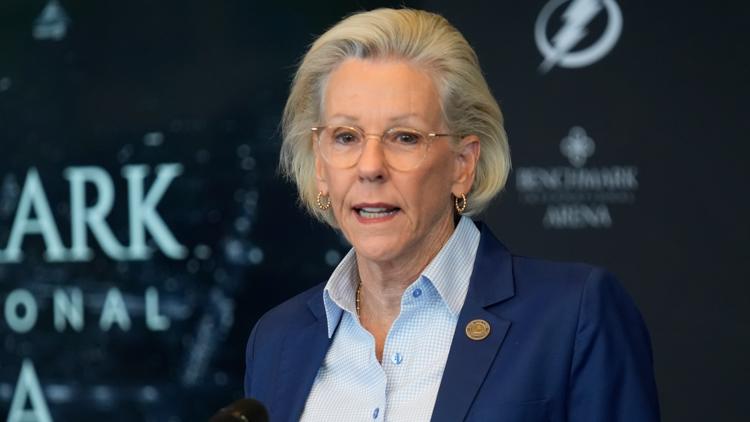
The council — formed through an executive order in January 2025 — included governors, emergency management officials and local leaders from across the country, including Tampa Mayor Jane Castor, a Democrat on a majority Republican panel.
“I was very pleased with this council, and really honored to be a part of it,” Castor said.
Among the biggest proposed changes:
Replacing FEMA’s current reimbursement system with one that sends money directly to disaster-hit communities faster
Using measurements like hurricane wind speeds and flood levels to determine aid eligibility instead of lengthy damage surveys
Limiting FEMA housing assistance to people whose homes are considered uninhabitable — not just damaged
Pushing states to rely less on the federal government for disaster management and recovery costs through improved training and following national standards.
The recommendations would still require action from Congress before any changes become official.
Castor said many of the ideas already mirror how Florida handles hurricanes.
“What we’re looking at is it’ll be sort of a reorienting where the federal government will be in support of disasters, the state will manage, and then look to locals to execute, which is really what we do here in the state of Florida every day,” she said.
The proposal comes less than two years after Hurricanes Helene and Milton battered the Tampa Bay region.
Castor argued the changes could help communities get answers and funding faster after storms.
“It had just grown into this bureaucratic monster, and you couldn’t get the straight answer or when you were going to get funding, or if you were eligible,” she said. “So all of this takes that down to a single application… That streamlining that I think these recommendations will bring to FEMA will be a benefit to any community that faces a disaster.”
The report also addressed speculation about whether FEMA could be eliminated altogether — something Castor said the council quickly rejected.
“Immediately, the consensus among the entire council was that FEMA has to stay,” she said.
Critics are already pushing back.
The Environmental Defense Fund said the recommendations could leave communities without enough support after disasters and “fails to keep Americans safe.”