
FORT MYERS, Fla. (WINK)— When Hurricane Ian slammed Southwest Florida in 2022, emergency managers and the WINK Weather Authority had limited real-time information about exactly what floodwaters were doing across Lee County.
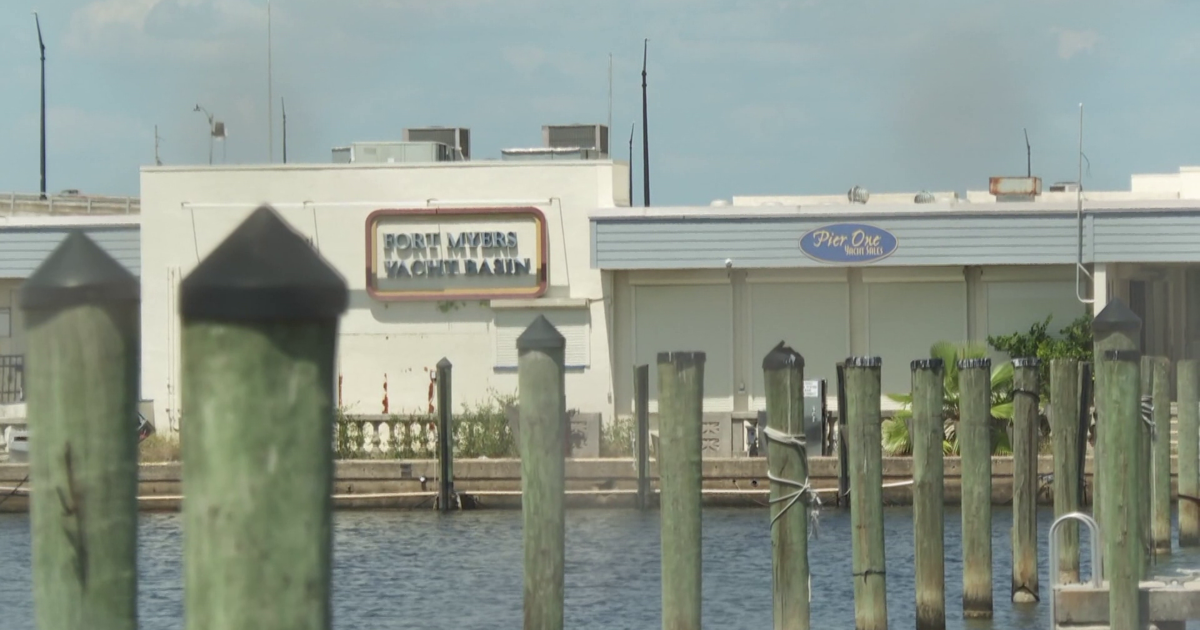
At the time, the only federal tide gauge in the county was located at the Fort Myers Yacht Basin along the Caloosahatchee River. While valuable, one gauge could not provide a complete picture of flooding happening along the coast, in back bays, and throughout inland waterways.
Since Ian, Lee County has worked to expand its flood monitoring network by installing 19 Hohonu water-level gauges across the area, including a newly installed gauge along the Estero River at the end of April.
According to Hohonu CEO and University of Hawaii professor Brian Glazer, the expanded network is helping fill critical data gaps.
“There is only a single federal tide gauge in downtown Fort Myers,” Glazer said. “So understanding what is happening on the coast, or in the back bays where people live, has really been a black box.”
Several of the gauges were installed just before Hurricanes Helene and Milton impacted Southwest Florida back-to-back during the 2025 hurricane season. Officials say the data collected during those storms proved valuable in understanding how different flooding sources affected the region.

“Being able to understand where the water was coming from — what the difference was between wind-driven storm surge, rainfall flooding, and compound flooding events — was really crucial,” Glazer said.
The gauges continuously measure water levels in real time, giving emergency managers, the WINK Weather Authority, and residents a better understanding of flooding conditions as storms unfold.
While the network is especially important during hurricanes and tropical storms, officials say the gauges are also useful during periods of heavy rainfall and king tides — naturally higher tides that occur several times each year. Those tides can contribute to so-called “sunny day flooding,” where roads and low-lying areas flood even without a storm.
As sea levels continue to rise, Glazer says monitoring localized flooding is becoming increasingly important.
“Flooding is a problem for our near future, and being able to measure where that flooding is happening with granularity and making it publicly available is more important than ever before,” he said.
Lee County plans to continue expanding the network, with two additional gauges expected to be installed near Fort Myers Beach and Matanzas Pass in the near future.
Glazer also says Hohonu is working to integrate additional weather data into the system to improve storm surge forecasting at individual gauge locations across Southwest Florida.