
One South Florida group has been rehabilitating and conserving Florida’s wildlife for more than 40 years. The Busch Wildlife Sanctuary in Jupiter works seven days a week to help vulnerable wildlife.“We’re a native wildlife hospital. So we admit sick, injured, orphaned wild animals,” said Amy Kight, CEO of Busch Wildlife Sanctuary.When members of the public find a sick or injured animal in need of some help, they’ll take them into the rehab center.“We’ve had everything come in. Something as tiny as a little mud turtle. Someone even brought me a moth one time with a broken wing. All the way up to bears and alligators and panthers,” explained Kight.More than 5,000 critters came through their doors last year. According to Kight, 90 percent of the injuries they treat are human related.“Animals that have been hit by cars, tangled in fishing lines, attacked by people’s pets, kept illegally as pets,” said Kight.Right now, the center is overflowing with babies. Baby season runs from February to October.“During baby season we could have 150 plus patients at any given time,” Kight said.After some TLC, the animals get released back into the wild.“Unfortunately, just like every hospital, not everyone makes it. Especially when we’re talking about a really traumatic injury or illness. If we can’t get them back to the wild, then we sometimes have them here. We have a collection of about 150 permanent residents, that’s part of our education mission. They’re part of our ambassadors, but we also work with other organizations all over the United States,” said Kight.According to Amy, the public can help prevent these furry and feathery friends from coming through their doors.“So not feeding the wildlife, they lose their fear of us which is a problem. Securing your garbage cans, making sure you’re not accidentally feeding them. If you have fruit trees in your yard cleaning up that debris so they can’t get to it. And just learning about wildlife,” explained Kight.
One South Florida group has been rehabilitating and conserving Florida’s wildlife for more than 40 years.
The Busch Wildlife Sanctuary in Jupiter works seven days a week to help vulnerable wildlife.
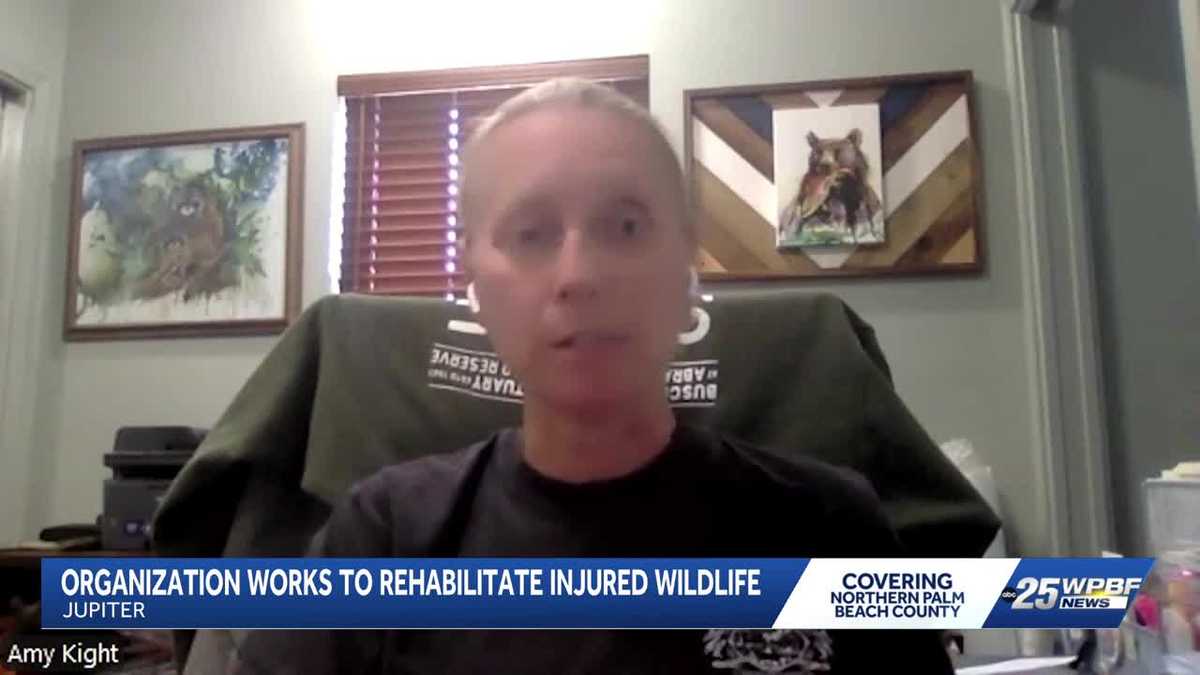
“We’re a native wildlife hospital. So we admit sick, injured, orphaned wild animals,” said Amy Kight, CEO of Busch Wildlife Sanctuary.
When members of the public find a sick or injured animal in need of some help, they’ll take them into the rehab center.
“We’ve had everything come in. Something as tiny as a little mud turtle. Someone even brought me a moth one time with a broken wing. All the way up to bears and alligators and panthers,” explained Kight.
More than 5,000 critters came through their doors last year. According to Kight, 90 percent of the injuries they treat are human related.
“Animals that have been hit by cars, tangled in fishing lines, attacked by people’s pets, kept illegally as pets,” said Kight.
Right now, the center is overflowing with babies. Baby season runs from February to October.
“During baby season we could have 150 plus patients at any given time,” Kight said.
After some TLC, the animals get released back into the wild.
“Unfortunately, just like every hospital, not everyone makes it. Especially when we’re talking about a really traumatic injury or illness. If we can’t get them back to the wild, then we sometimes have them here. We have a collection of about 150 permanent residents, that’s part of our education mission. They’re part of our ambassadors, but we also work with other organizations all over the United States,” said Kight.
According to Amy, the public can help prevent these furry and feathery friends from coming through their doors.
“So not feeding the wildlife, they lose their fear of us which is a problem. Securing your garbage cans, making sure you’re not accidentally feeding them. If you have fruit trees in your yard cleaning up that debris so they can’t get to it. And just learning about wildlife,” explained Kight.