
Central Florida is often defined by its iconic theme parks and tourism-driven economy. But there is another side of our region that is gaining increasing recognition: the dynamic and ever-expanding cultural sector.
Recent decades have seen cultural institutions in Central Florida evolve in ways that are shaping the future of our region. Orlando is now positioning itself as a vibrant cultural hub where the arts are an essential part of daily life. From visual arts to theater, music to dance, the arts enrich the lives of residents and drive the local economy in profound ways.
The economic impact of the arts in Central Florida cannot be overstated. Museums, theaters, galleries and performance spaces provide thousands of jobs, generate significant tourism dollars and support a wide range of local businesses. Every visitor who walks through the doors of a museum or attends a performance at a theater contributes to our economy through transportation, dining, lodging and shopping. All of this activity adds up to $502 million of direct economic impact on the region. Beyond the financial benefits, cultural institutions provide a unique avenue for community engagement. Shared cultural experiences strengthen social connection, create a sense of belonging and build community pride and identity.
For example, the Orlando Museum of Art has been a cornerstone of the Orlando community for over 100 years, providing cultural enrichment for people from all backgrounds. Recently, the museum was reaccredited for the next 10 years by the American Alliance of Museums (AAM). This is the “Michelin Star” for museums, as only 3% of the 33,000 museums in the U.S. have earned this distinction. This achievement benefits not only the museum but also the broader community, as it ensures that the museum will continue to be a resource for learning and social connection.
Research has shown that communities with greater access to cultural resources experience measurable benefits in livability and well-being as well as greater civic connection and expanded economic opportunities. However, the survival of these valuable institutions depends on the philanthropic ecosystem. Though Orlando has made great strides in supporting nonprofit arts and cultural organizations, there is still much to be done, as available funding has been outpaced by ever increasing operating costs, resulting in deficits, thin margins and eroding capital reserves.
The picture is the same on the national level, even amongst the most revered arts institutions. The Metropolitan Opera, the largest performing arts organization in the country, is navigating significant financial headwinds, as shifting audience habits, reduced philanthropic support and rising costs create pressure across the sector. The Met has had to make difficult adjustments, including staffing changes, salary reductions, scaled-back programming and increased reliance on its endowment. It seems unimaginable that the most iconic arts institutions in the U.S. are at risk, but many are. The same issues are plaguing smaller institutions across the country, especially with cuts in state and federal funding and reductions in foundation and corporate support.
Given the national scene, we are fortunate in Orange County to have strong county government support for the arts and culture sector, both for operating funds and capital expenditures. Without this support, many organizations would not have sufficient funding to operate or make major capital investments in infrastructure repairs or replacements.
United Arts of Central Florida’s Collaborative Campaign also raised $11.6 million for the 45 participating organizations this year, 29% more than the previous year. The success of this campaign demonstrates that our citizens value what these organizations provide, and they want to ensure that their work continues.
However, given the cuts in state and federal funding at this time, even more support must be provided at the local level. Continued investment and support from individuals, government, businesses and foundations is essential to sustain the cultural institutions that we value.
As we look toward the future, it’s clear that Central Florida’s cultural sector will play a key role in shaping the region’s identity and economic vitality. By supporting and investing in the arts, we are not just enriching our cultural landscape — we are ensuring that Orlando and its surrounding communities remain vibrant, resilient and competitive.
I’m proud to be part of this community, and I look forward to continuing to work alongside my fellow cultural leaders to make Central Florida an even stronger cultural and economic hub for generations to come.
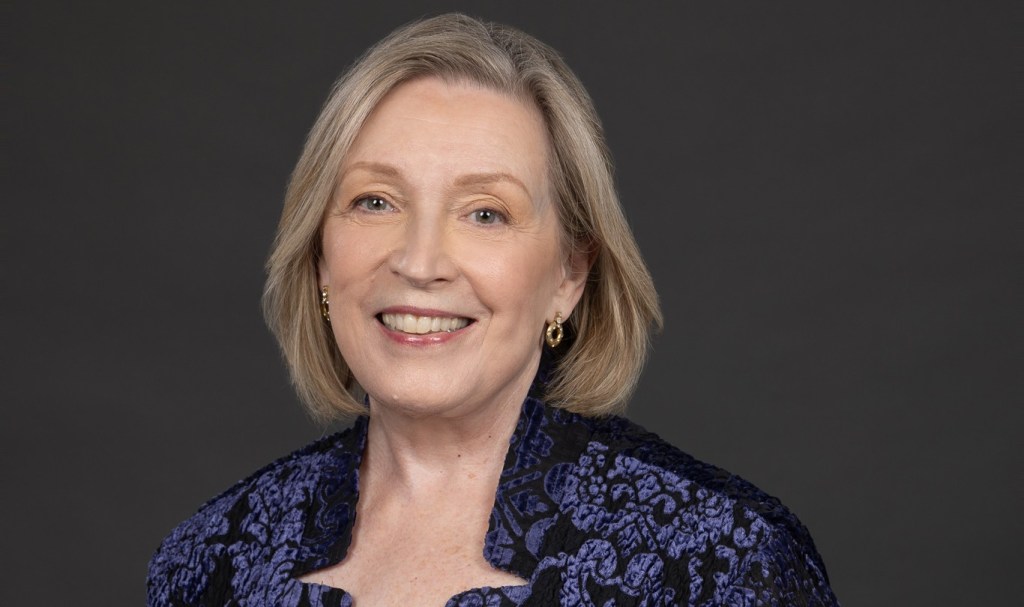
Cathryn Mattson is the executive director and CEO of the Orlando Museum of Art.