
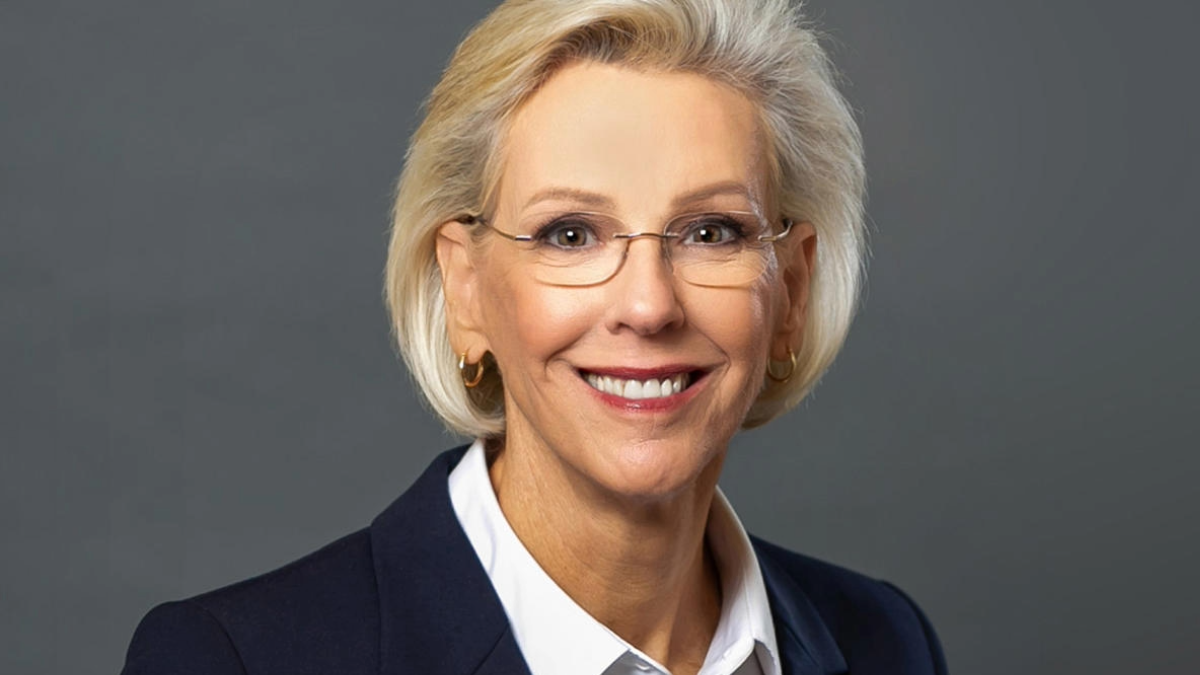
For Mayor Jane Castor, Tampa’s success has created a new challenge: how to move people efficiently through one of the nation’s fastest-growing regions without losing the quality of life that drew them here.
“It’s growth, without a doubt,” Castor said. “Our community and region are incredibly successful. One of the elements that historically lags behind population growth is transportation. We’re certainly a victim of that right now.”
After leading Tampa through a decade of economic expansion and urban reinvention, Castor says the city’s next era will hinge on infrastructure, not as an afterthought, but as a foundation.
READ: Tampa Bay legend Derrick Brooks named COO of USF Athletics
“We’re on top of all the lists you want to be on — best place to live, best place to do business,” she said. “But unfortunately, we’re creeping up another list: the most congested regions in America. We’d rather be at the bottom of that one.”
From plans to pavement
Castor’s message is simple: Tampa doesn’t lack solutions — it lacks coordination and funding.
Voters approved a countywide transportation surtax in 2018, known as All for Transportation, that aimed to repave roads and expand transit. But the Florida Supreme Court overturned the measure, eliminating hundreds of millions in anticipated revenue.
 The All for Transportation initiative aimed to fund road repairs and expand transit options across Hillsborough County.
“When that was taken away, it was a blow for the entire region,” Castor said. “But when we’re knocked down, we get back up quickly.”
READ: Bojangles returns to Tampa Bay Nov. 4 with new restaurant
Tampa has since joined Hillsborough, Pinellas and Pasco counties in a federal partnership through the Build America Bureau, part of the U.S. Department of Transportation. The Regional Infrastructure Accelerator program has provided more than $3 million in grants to develop long-term financing models for local projects.
“It’s a regional solution that allows cities and counties to submit projects individually or together,” Castor said. “The program looks at viability and provides funding paths, whether that’s long-term loans or public-private partnerships.”
Tracks, ferries and forward thinking
Among Tampa’s top priorities is expanding the streetcar line, which connects Ybor City to downtown and Water Street.
“We’re the second-most ridden streetcar in the United States,” Castor said. “It went from a tourist attraction to a viable form of transportation.”
The city plans to extend the line north along Florida Avenue to Tampa Heights, linking residential and business districts that have seen explosive growth. Current ridership stands at 1.4 million annually, and projections indicate an additional 5,000 daily riders once the expansion is complete.
READ: South Sarasota gets new 325-unit luxury apartment complex
Castor envisions a seamless transit network integrating the streetcar, Brightline, bus rapid transit and potential light rail connecting Tampa International Airport to downtown.
She also sees an opportunity on the water. “We’re one of the few regions in the world that ignores water as transportation,” she said. “The ferry is something we can complete quickly and cheaply to connect the region.”
The Cross Bay Ferry and Pirate Water Taxis already show how short-distance water travel can become part of Tampa’s daily mobility mix.
A Smarter City
Beyond major transit projects, Tampa is investing in technology and smarter infrastructure management.
The city’s Traffic Management Center now monitors and adjusts signals in real time. A $40 million upgrade replaced traffic controllers, expanded communications infrastructure and prepared the system for innovations like transit signal priority and emergency vehicle preemption.
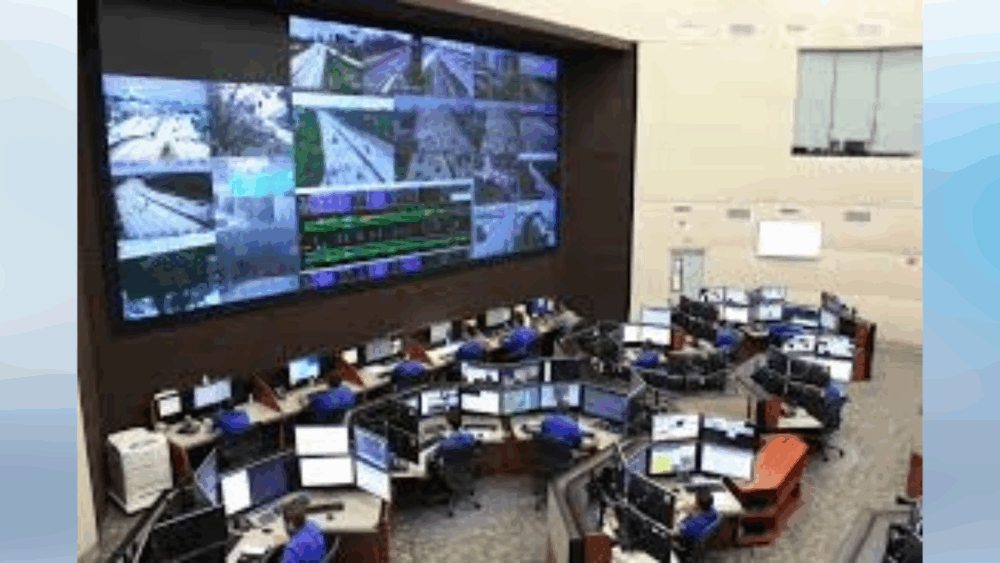 Tampa’s Traffic Management Center utilizes real-time data to enhance traffic flow and safety across city streets.
“Maintenance has been deferred for decades on our water, wastewater, roads and bridges because the funding hasn’t been there,” Castor said. “That’s not sustainable.”
READ: Tampa General expands in Citrus County with new 53-acre site
Federal support through President Biden’s Infrastructure Investment and Jobs Act has also helped Tampa secure “Safe Streets for All” grants to improve pedestrian safety and reconnect key downtown corridors such as Ashley Drive and I-275.
The Road to Tomorrow
When asked what the boldest fix for Tampa’s congestion might be, Castor’s answer came down to people, not politics.
“The younger generation is driving this change,” she said. “They’re coming here without cars, expecting public transit. They’re choosing to stay in Tampa because they see that shift happening.”
Castor predicts e-bikes, pedestrian corridors and air taxis could all play a role in Tampa’s future mobility network. For her, innovation isn’t optional — it’s survival.
“If Tampa wants to stay at the top of the right lists — best city for business, best place to live — it will have to rebuild its foundation, one mile and one idea at a time.”
Stay Connected
Follow TBBW on social media