
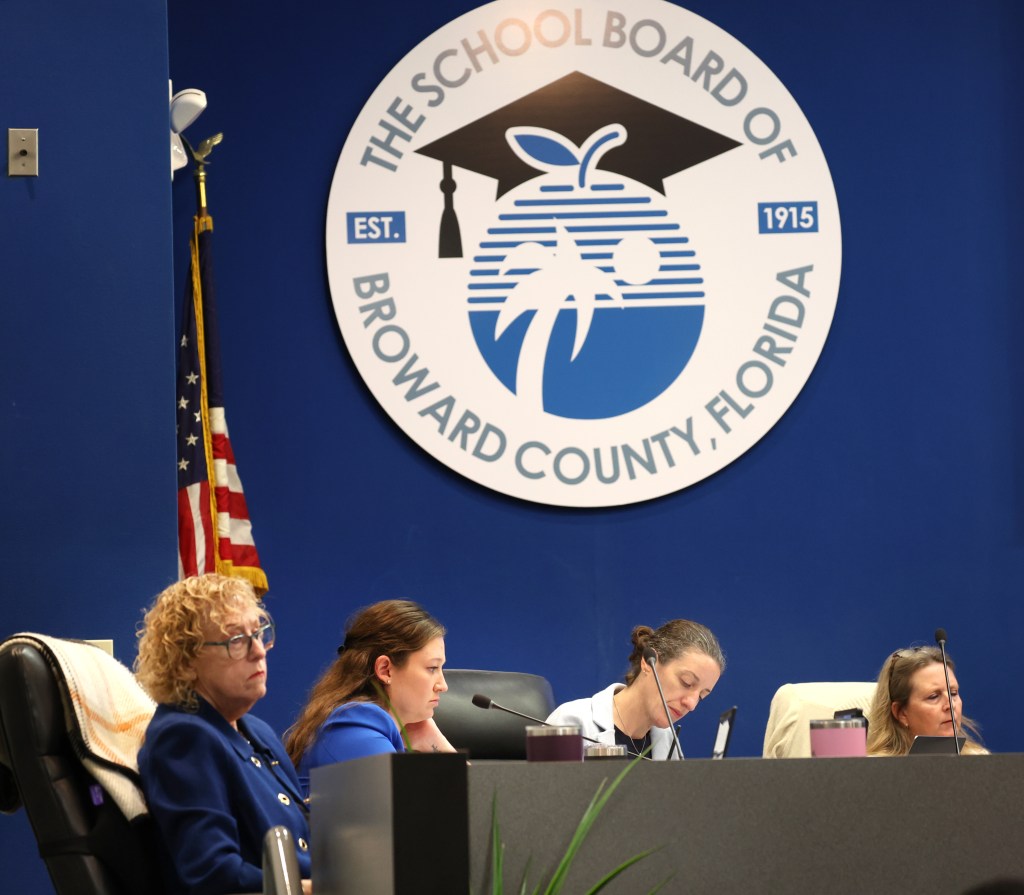
For nearly 40 years, Broward County has been part of my family’s story. I raised four children who attended Broward County Public Schools over a span of 23 years, volunteered in our schools, and worked for the district as a secretary. Now, my eldest granddaughter is preparing to begin kindergarten in the very same public schools that helped educate my children.
They may be the same schools, but in many ways, they are now a very different environment for learning. So when I say I am concerned about the current state of public education, that is not political rhetoric. It is personal.
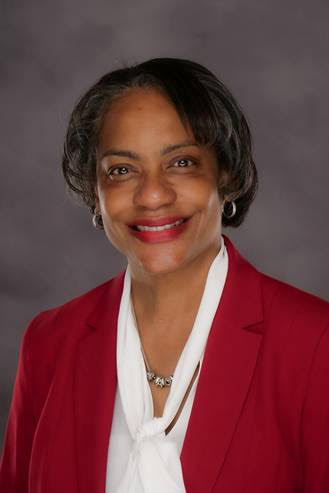 Maxine Ann-Marie Lewers is president of Florida Parent Teacher Association. (courtesy, Maxine Ann-Marie Lewers)
But if we are being honest, the headlines dominating the local conversation surrounding our schools are not the full story. While it is easy to focus on controversy, conflict and the latest sensational debate, we cannot lose sight of the deeper issue unfolding beneath it all: the long-term underinvestment in Florida’s public schools.
Recently, the state’s largest teachers union, alongside everyday parents, filed a lawsuit against the state of Florida alleging a continued failure to adequately invest in public education. Whether one agrees with every aspect of that lawsuit or not, it reflects a growing frustration shared by families, educators and communities across this state.
Public education funding in Florida operates through a two-pronged system. Local taxpayers contribute significantly, but how much local school boards can levy is ultimately determined in Tallahassee. The second prong is direct investment from the Florida Legislature itself.
And from my vantage point as both a parent and now a grandparent, the difference over the years has become impossible to ignore. I hear it regularly in conversations with local PTA leaders discussing what schools can afford, what PTAs are increasingly being asked to help cover, and what should rightfully remain the responsibility of the state or district.
When my oldest daughter attended public school, Broward County Public Schools certainly faced challenges, but there was still a broader understanding that public education was an investment worth protecting. Today, districts across Florida are increasingly being asked to do more with less while navigating workforce shortages, growing operational demands and mounting political pressures.
That reality matters.
And while the state bears significant responsibility for where we are today, we also have to acknowledge that local school boards, not just in Broward but across Florida, have spent years placing temporary Band-Aids on deeper structural challenges that likely should have been addressed much sooner. In many ways, what we are witnessing now is not a sudden crisis, but the cumulative effect of longstanding pressures managed year to year in hopes that conditions would improve or relief would come.
To be clear, this is not unique to Broward County. School districts across Florida have faced the difficult balancing act of protecting classrooms, retaining staff, maintaining programs, and meeting growing demands while navigating financial limitations that are often outside of their control. But eventually, delayed decisions and temporary fixes catch up to every system.
I believe that is part of the moment we are now confronting.
As I prepare to conclude my term as president of Florida PTA, one of the largest child advocacy organizations in the state, I find myself asking my fellow Broward residents, parents, grandparents, educators and voters a simple question: What kind of public school system do we want to leave behind for the next generation?
This conversation cannot wait until after an election. It must happen now.
The individuals seeking our votes for local and state office should be prepared to clearly explain how they intend to strengthen and sustain traditional public education, not simply manage its decline.
If we continue down a path of chronic underinvestment, we risk reaching a point where the erosion of our public school system is no longer gradual, but irreversible.
And for communities like Broward County, the stakes are simply too high to stay silent.
Maxine Ann-Marie Lewers is president of Florida Parent Teacher Association (PTA), the largest child advocacy organization in the Florida, and a longtime Broward County public school parent and advocate.