

WEST PALM BEACH, Fla. (CBS12) — The Trump administration is temporarily freezing new Medicare enrollments for new hospice and home health care providers nationwide — a move federal officials say is aimed at stopping healthcare fraud schemes targeting seniors and costing taxpayers billions.
But in Florida, where one of the nation’s largest elderly populations relies heavily on hospice and in-home care, the announcement is also prompting questions from families about what the change could mean for future access to care.
“This is not a cause for concern,” Dr. Tricia Neuman, executive director of the Medicare policy program and senior vice president at KFF, a nonpartisan health policy organization that conducts research, polling, and journalism, told CBS12 News.
“The crackdown is related to fraud, and it is intended to stop organizations from signing up to be part of Medicare that may not be legitimate providers,” Neuman said. “There are so many legitimate home health and hospice providers that are already available, and that will continue to be available to people who need those services.”
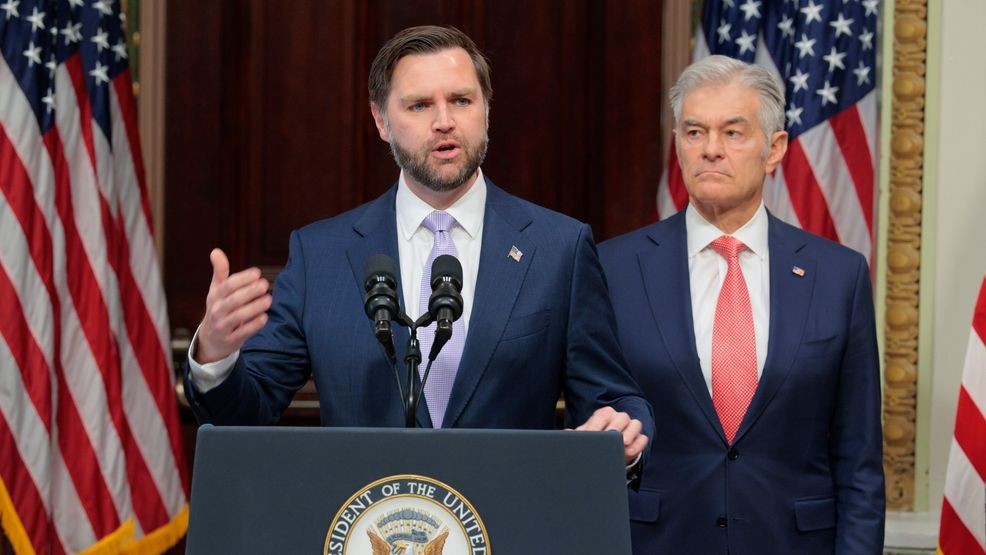
WASHINGTON, DC – MAY 13: U.S. Vice President JD Vance speaks alongside Administrator for the Centers for Medicare & Medicaid Services Dr. Mehmet Oz (R) during a press conference at the Eisenhower Executive Office Building on May 13, 2026 in Washington, DC. Vance held the press conference to discuss the Trump administration’s anti-fraud initiatives. (Photo by Chip Somodevilla/Getty Images)
The six-month moratorium, announced Wednesday during a White House press conference, temporarily blocks new hospice and home health care agencies from enrolling in Medicare reimbursement programs nationwide. Current providers and existing Medicare patients will still be allowed to continue receiving services.
“Today, announcing a moratorium nationally,” Centers for Medicare & Medicaid Services Administrator Mehmet Oz said Wednesday. “There will be no new hospices or home healthcare opened in this country. We’re not taking away any services, but there will be no new ones, licenses granted until we can figure out a better way.”
Federal officials say the action is part of a broader effort to crack down on fraudulent billing schemes involving stolen Medicare information, medically unnecessary treatments, and fake healthcare providers.
“Fraudsters have stolen your Medicare number and given you hospice you didn’t want,” Oz said. “If you get sick and go to the ER, you’re not getting care.”
Florida has one of the nation’s largest Medicare populations and has historically been a major focus of federal healthcare fraud investigations because of its large senior population and heavy healthcare spending.
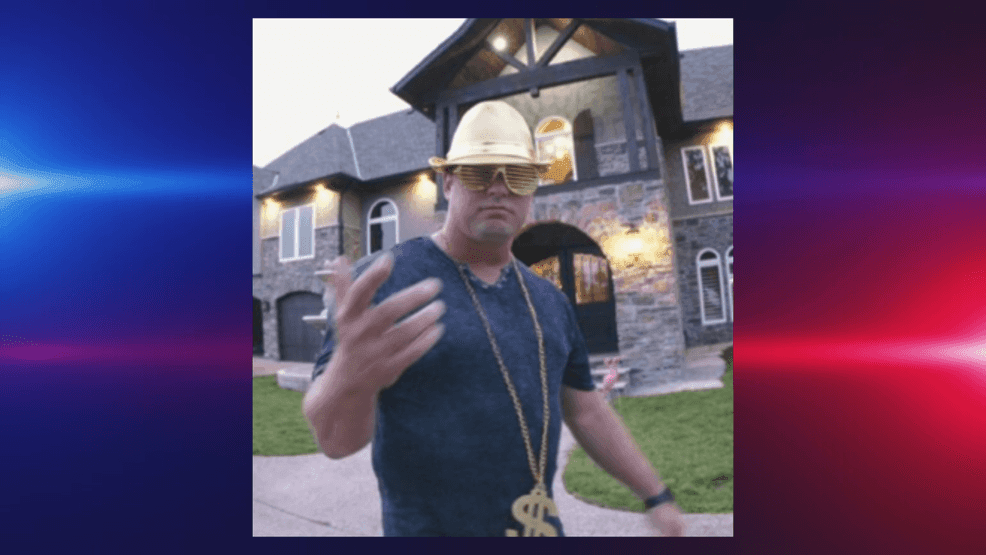
According to court documents and evidence presented at trial, Brett Blackman, 42, and his co-conspirators aggressively targeted hundreds of thousands of Medicare beneficiaries to get them to accept medically unnecessary orthotic braces and other items. They then arranged for purported telemedicine doctors to sign bogus prescription orders for these items, so that their co-conspirators could bill Medicare for them. (JUSTICE.GOV)
Just this week, federal prosecutors in Miami secured a conviction against the owner of a healthcare software company accused in what the Department of Justice described as a more than $1 billion Medicare fraud conspiracy involving false doctors’ orders for medically unnecessary equipment and products targeting seniors.
Earlier this year, two South Florida healthcare executives were also convicted in a separate $34 million Medicare Advantage fraud scheme involving medically unnecessary braces billed to elderly patients, according to federal prosecutors.
See also: 3-year-old boy dies after Florida Turnpike wrong-way crash killed mother, family says
Neuman said efforts to crack down on fraud in Medicare are not new and have been pursued by administrations from both political parties.
“The idea of a moratorium is not unprecedented,” Neuman said. “Administrations from many presidents, Democrats and Republicans, have done what they could to crack down on fraud, because it’s really a way to protect taxpayers and patients.”
Still, she acknowledged that healthcare fraud remains an ongoing challenge nationwide.
“Often people talk about fraud as a whack-a-mole effort,” Neuman said. “You crack down on fraud in one place, and it pops up in another.”
Federal officials have not said whether the nationwide freeze could continue beyond the initial six-month period.