
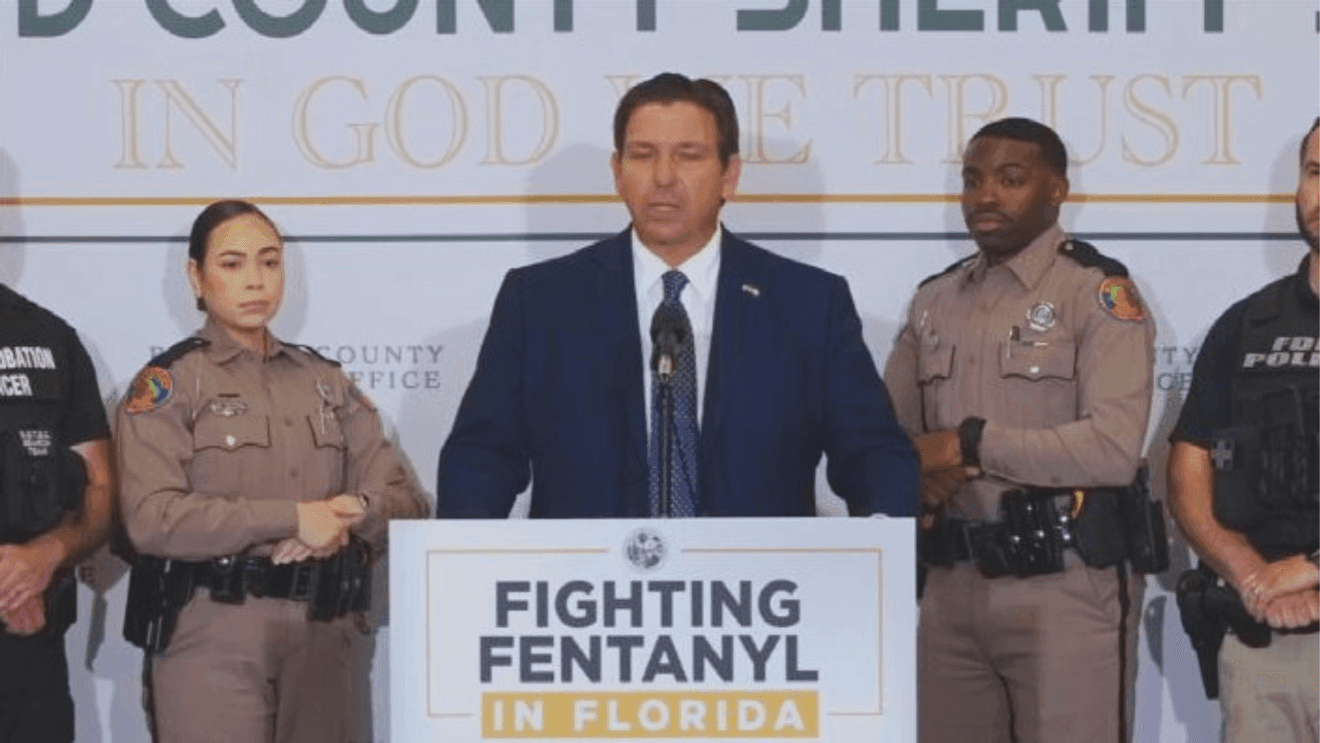
ESCAMBIA COUNTY, Fla. — The state of Florida hit a turning point in the opioid crisis. This week, Gov. Ron DeSantis announced a drop in the number of fentanyl and opioid-related deaths.
The numbers are from the newly released “2025 Interim Drugs Identified in Deceased Persons Report.” The opioid problem has been widespread in Northwest Florida.
The attorney general’s office said Escambia County had the highest opioid-related death rate in the state just a few years ago.
Many of us know of at least one person who has been affected by the crisis. For several health experts in the area, these new numbers are a sign of hope.
Drug-related deaths in Florida have dropped 19% from January through June 2025. That’s according to new data from the Florida Medical Examiners Commission.
“What this report shows is that our efforts are working,” said DeSantis.
According to the data, fentanyl-caused deaths have declined by 46%. Opioid-caused deaths dropping by 42%.
Deaths from cocaine and methamphetamine are also going down. It’s a trend seen statewide and in Northwest Florida.
“We went from having almost every couple of hours at minimum getting called to some sort of overdose to where we’re just having a couple a day,” Dr. Benjamin Abo, Escambia County Public Safety’s chief medical officer.
Opioid use has been a long-time battle in the Panhandle. Dr. Abo says Escambia County has gone from more than 150 opioid overdose deaths to now less than 20.
Abo says there’s also fewer people turning to opioids. For him, these new numbers are also a personal victory. Abo says he lost a cousin to opioid addiction.
“We still have a lot of usage,” Dr. Abo said. “We have a long way to go, but we’ve made tremendous strides.”
At the state level, DeSantis credits the decline to the “State Assistance for Fentanyl Eradication” program, also known as “S.A.F.E.”
The initiative funds law enforcement efforts for narcotics investigations. Progress is also happening at the county level.
“Just yesterday, I got a call from a woman who was in our drug court program 10 years ago when I was a clinician,” said Dustin Perry, director of residential services at Lakeview Center. “And she has turned her life around. She runs a business, and she’s now a pastor in a church.”
Perry is hands-on with opioid recovery at the Lakeview Center. He says increasing access to recovery services and lifesaving medication, like Narcan, can make all the difference.
“If we continue to do what we’re doing, it has a great trajectory,” Perry said.
Escambia County also reports a steady decline in Narcan utilization. A county spokesperson says that’s likely due to increased access and long-term treatment in the community.