
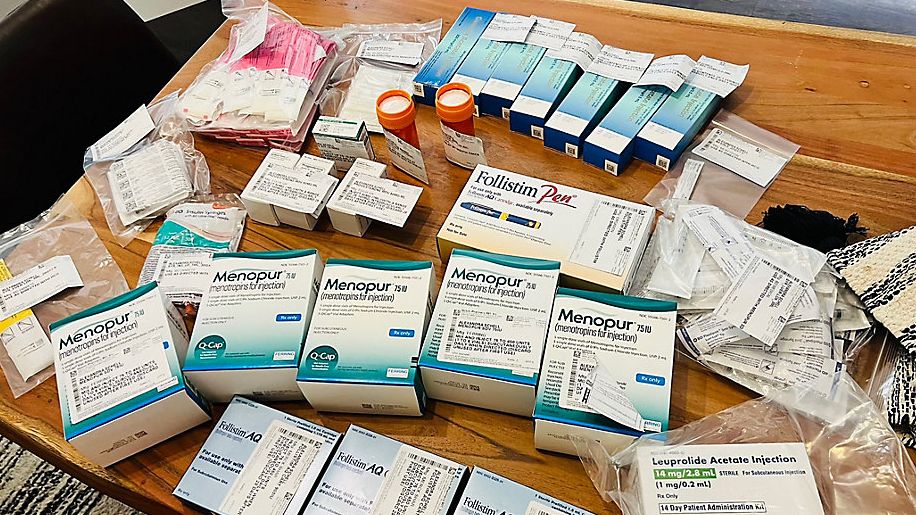
TAMPA, Fla. — Alexandra Schell’s baby announcement for her son after conceiving through in vitro fertilization (IVF) said it all: expensive.
What You Need To Know
This month, the Trump administration announced its third agreement with a pharmaceutical manufacturer to bring American drug prices down.
The White House also shared more information on President Trump’s executive order aiming to reduce the cost of in vitro fertilization, IVF.
Alexandra Schell said when she did her first round of IVF, one of her medication bills was nearly $6,000. That did not include the cost of the IVF procedure.
Brown Fertility in Tampa says steps to lower fertility medication costs are a long time coming.
“Oh my gosh, so stressful and such a challenge,” said Schell. “My husband and I had to take on credit card debt, personal loans. I mean, we’re very lucky that it only took us one round.”
One round of IVF to have her son. That was in 2022, and at the time she didn’t have insurance.
“So this is just one of several bills,” said Schell, pointing to a two-page bill with more than 10 medications listed.
Some were in the hundreds, a few were in the thousands of dollars.
“Just for that one to two weeks of IVF treatment, it was $5,905.47,” said Schell.
That price is just for medication, not for the procedure for IVF. That can range between $12,000 to $25,000.
This month, the Trump administration made another announcement, this one about an agreement with drug manufacturer EMD Serono. That agreement is expected to fertility drug costs in a big way.
The White House estimated it could save families undergoing IVF up to $2,200 per cycle.
“Probably the first thing I would say is it’s about time,” said Dr. Daniel Duffy, reproductive endocrinologist, Brown Fertility. “I’m really glad that people in positions where they have control, or authority, to get things done are able to influence companies to bring the cost down.”
Brown Fertility feels this could make fertility treatments substantially more affordable and accessible for thousands of families struggling to conceive.
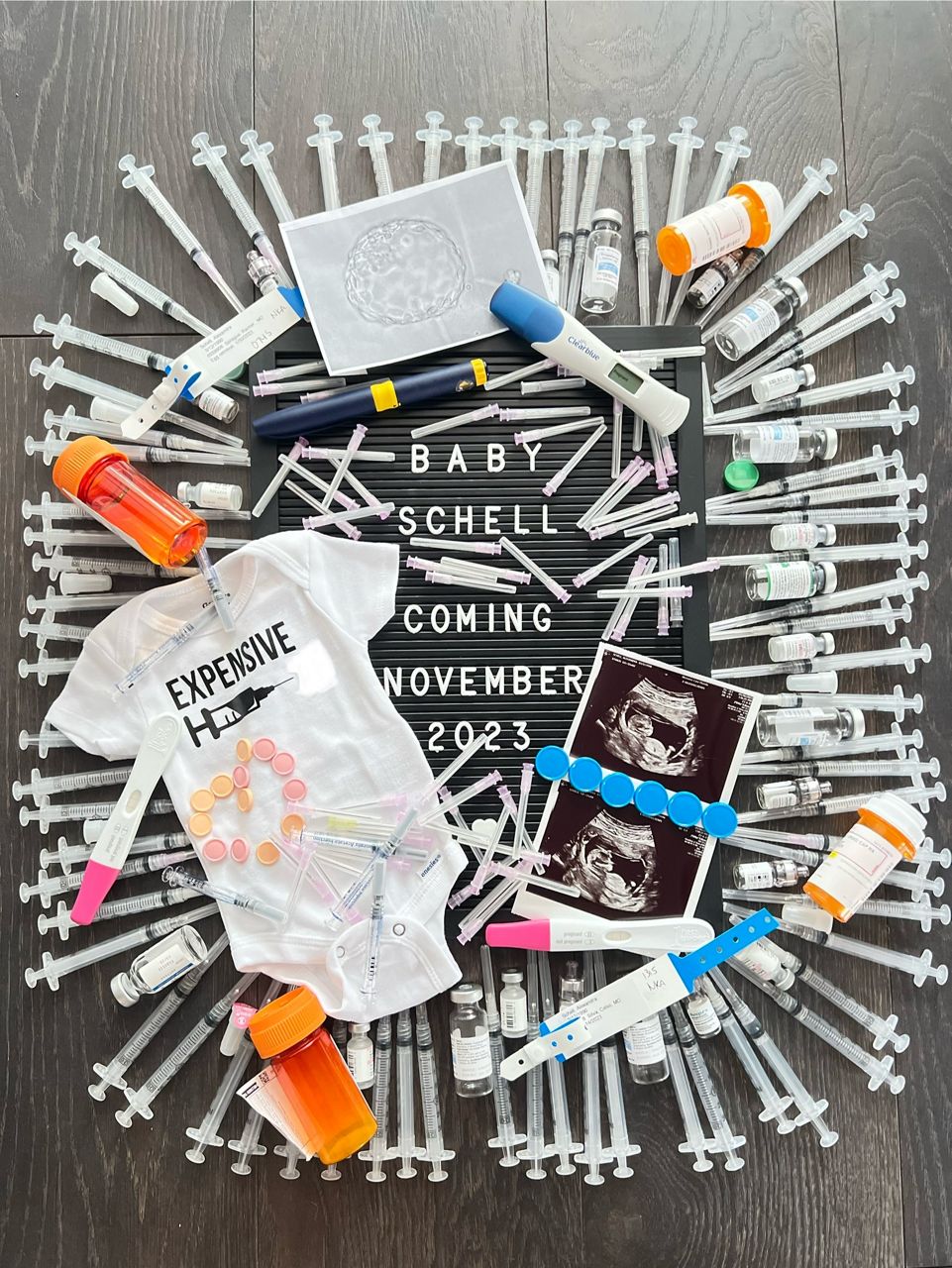
Photo provided by Alexandra Schell
“For a long time, it’s been a very prohibitive cost for ladies and families, you know, to come in and get IVF done. You really can’t do IVF without these medications,” Duffy said.
Schell has insurance now, and she is planning to do another round of IVF in hopes of expanding her family.
When asked what the medication costs are now with insurance, but before these cuts kick in, she said, “They are a little different now that I have insurance. You still have to meet your deductible.”
She said they are still expensive, but there are few alternative drugs when undergoing IVF.
Schell is glad to hear about the expected drop in cost for those looking to do IVF next year and beyond, but she said more still needs to be done.
“It overall doesn’t solve the access problem,” said Schell. “We definitely just need to make it the norm for employers and insurance companies to cover fertility care because fertility care is health care.”