
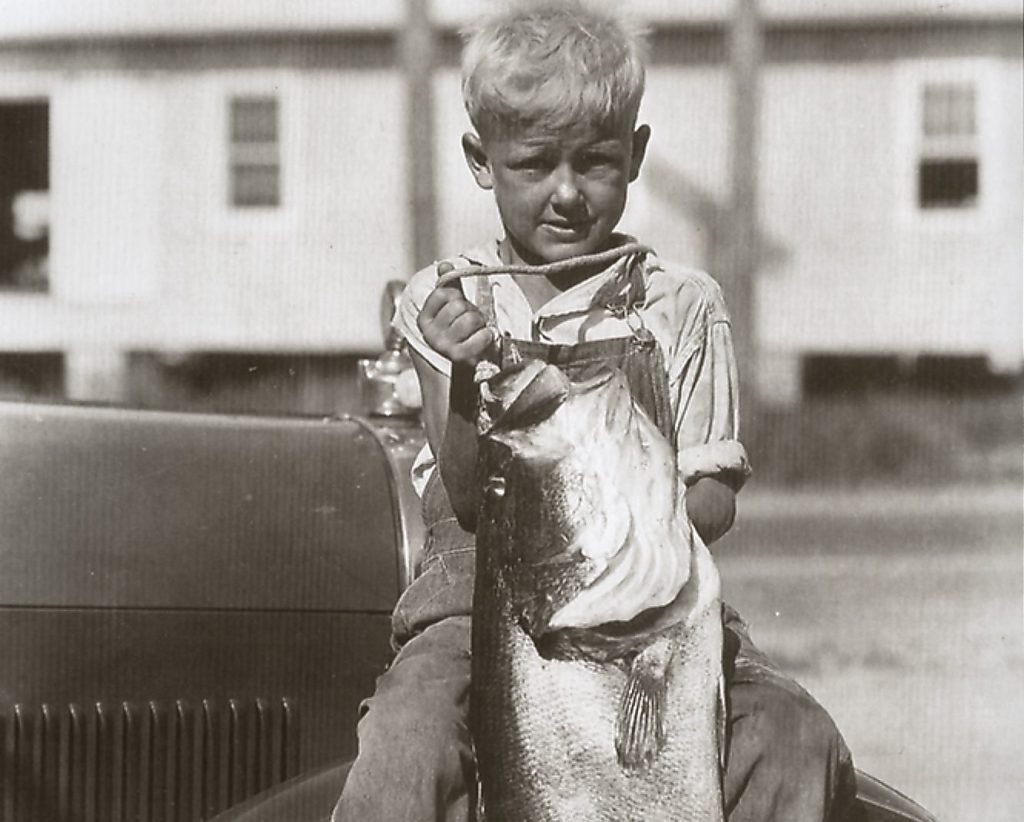
“Lake Apopka is the best lake for Black Bass in the entire state,” a Sentinel story proclaimed in November 1926.
From the 1920s through the 1950s, the lake was hailed in national guidebooks as an angler’s paradise, and the Sentinel was full of items about all the big catches being made there.
A 1929 item said, “Local fishermen have been having very good luck catching bass on Lake Apopka during the past few days.
“One man and his wife brought in the limit 24 bass Saturday afternoon and were not gone from the dock two hours.”
In its heyday, more than 20 fishing camps used to lined Lake Apopka’s shoreline, attracting average anglers as well as fishing movie stars such as Humphrey Bogart and Clark Gable.
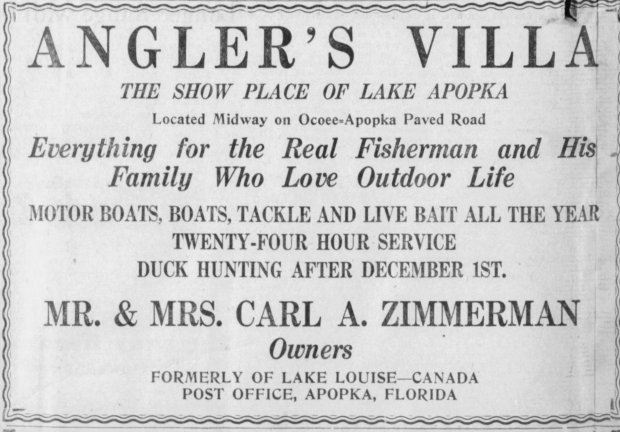 A 1920s advertisement in the Orlando Sentinel for a Lake Apopka fish camp. (Orlando Sentinel File)
A decision in the early 1940s to increase agricultural production for World War II led to a levee being built along the lake’s north shore and 20,000 acres being drained for muck farming.
Over time, runoff from the farms’ fertilizer fueled algae in the lake, turned its water pea-green and destroyed Lake Apopka’s biosphere.
It was labeled the most polluted lake in Florida.
Years of restoration efforts have improved things, but Lake Apopka still has a long way to go to return to its halcyon days as a national fishing mecca.
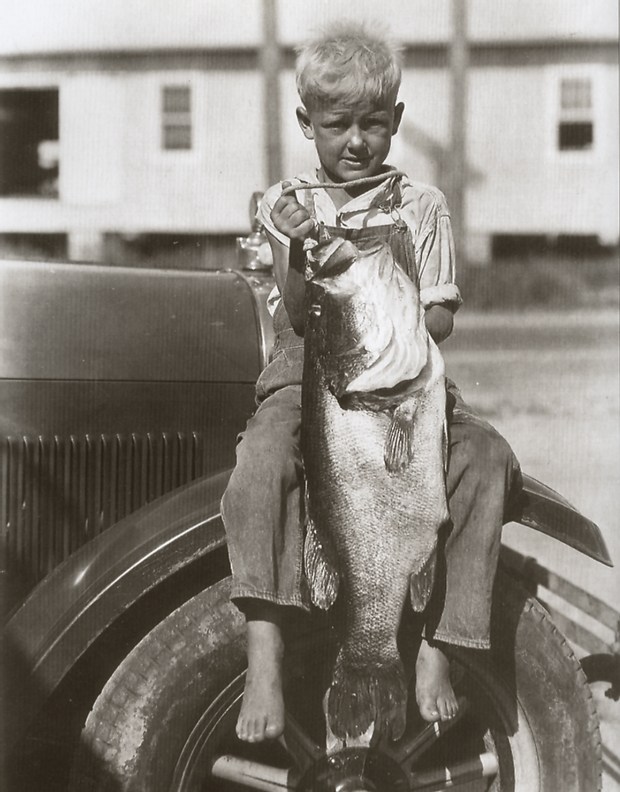 A small boy holds a big large-mouth bass of the kind that once made Lake Apopka a mecca for fisherman in the 1920s through 1950s. Credit: Orange County Regional History Center.