
Mental-health support is often discussed in broad terms, but meaningful progress happens when care is local, comprehensive and responsive to the unique needs of individuals and families. Stronger communities are built when mental-health services move beyond one-size-fits-all approaches and recognize the emotional, social, cultural and practical realities people face every day.
No two individuals experience mental-health challenges in the same way. Family relationships, language access, economic stress, trauma, cultural identity and community support systems all influence how people seek care and how they respond to it. Effective mental-health services recognize these differences and adapt accordingly, meeting people where they are rather than asking them to conform to rigid structures.
Across Florida and throughout the country, behavioral-health providers are increasingly embracing approaches that focus on the whole person and the whole family. Evidence-based services that strengthen communication, build emotional resilience and provide consistent support can help families navigate challenges before they escalate into crisis. Programs that offer a continuum of care —from outpatient counseling to intensive in-home support — allow people to receive the right level of support they need at the time they need it.
These approaches are especially effective when they prioritize keeping families connected and supported within their own communities. When individuals and caregivers have access to practical tools, trusted providers and resources, outcomes improve. Youth experience greater emotional stability, families become more resilient, and communities reduce reliance on costly emergency interventions and out-of-home placements.
Accessibility in mental-health care must go beyond physical availability. Cultural understanding and linguistic responsiveness are essential components of effective treatment. For many families, barriers to care stem not only from transportation or cost, but from feeling misunderstood, unseen, or unable to communicate comfortably with providers.
Culturally responsive care helps bridge those gaps. Providers who understand the cultural values, traditions, and lived experiences of the communities they serve are better positioned to build trust and foster meaningful engagement. Language access, cultural competency and workforce representation all play critical role in helping people feel respected, heard and supported throughout the healing journey.
Mental-health care works best when clinical excellence is combined with human understanding. Evidence-based treatment is essential, but it must recognize the person’s unique identity and circumstances. One without the other is incomplete.
When communities invest in mental-health services that are flexible, family-centered and culturally attuned, the benefits extend far beyond individual outcomes. These investments strengthen families, improve long-term well-being, and help create healthier, more resilient communities for generations to come.
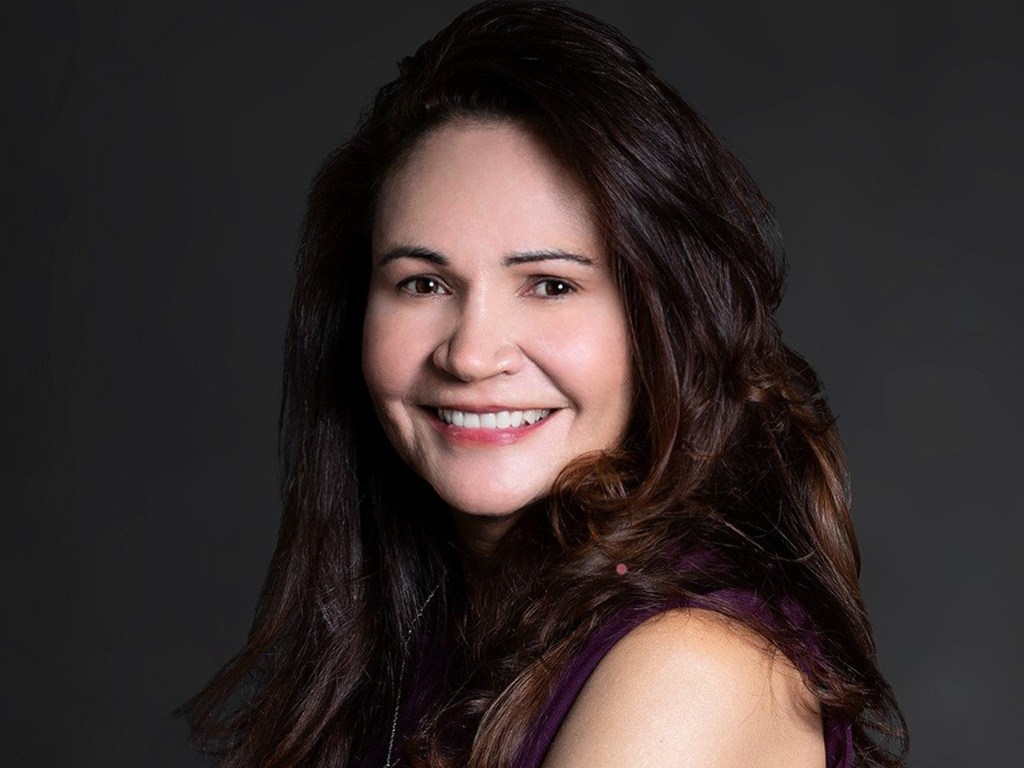
Maria Bledsoe is the CEO of Central Florida Cares, which oversees the area’s behavioral-health safety net.