
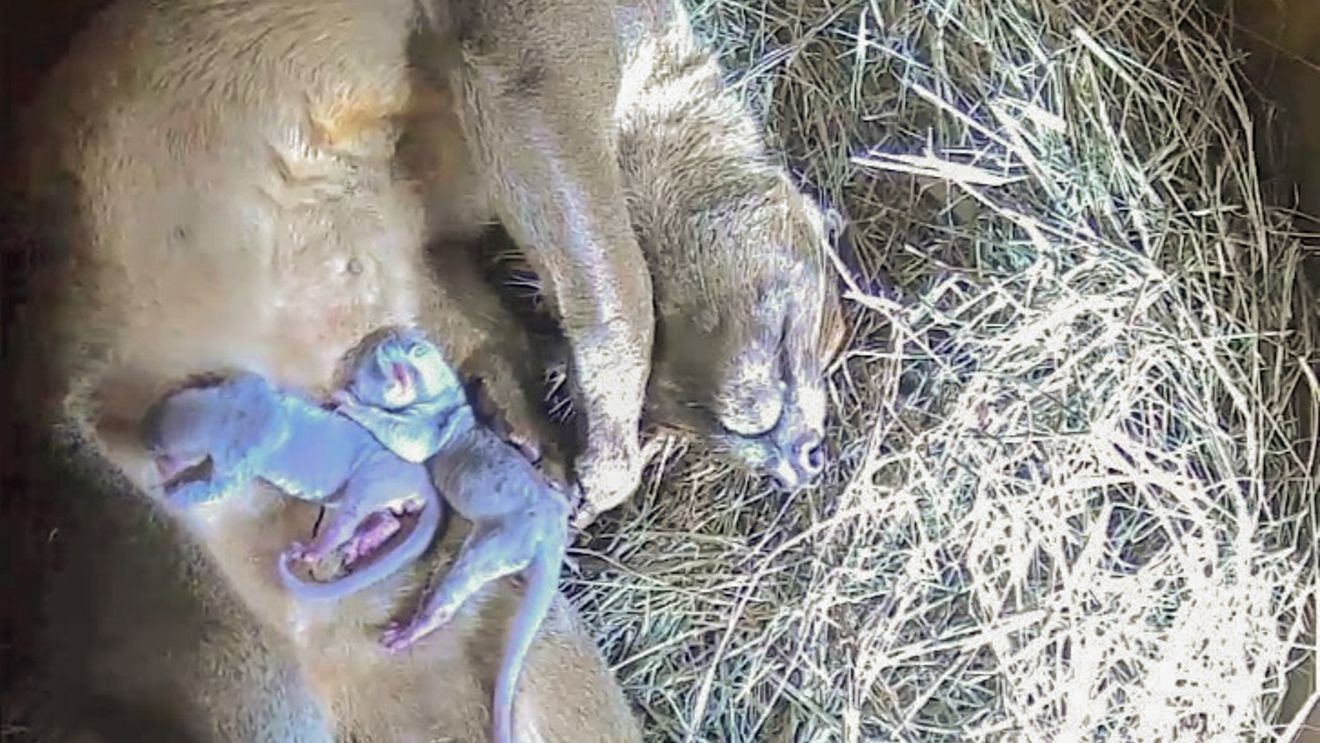
SANFORD, Fla. (CBS12) — Two unusual new arrivals are quietly settling in at the Central Florida Zoo & Botanical Gardens, and while they may look a bit like cats, they’re something far more rare: fosa kits.
The zoo announced on Monday that mother Alina recently gave birth to two kits, marking another milestone for its breeding program. The births come just six days after staff celebrated the first birthday of last year’s “miracle babies,” Anansi and Mahery, a rapid succession that has energized the animal care team.
Fosas are slender, agile carnivores native to Madagascar, often described as a cross between a cat and a mongoose. Despite their feline appearance, they are more closely related to mongooses and are the largest predator on the island. The species is considered vulnerable in the wild due to habitat loss, making every successful birth in human care an important step for conservation
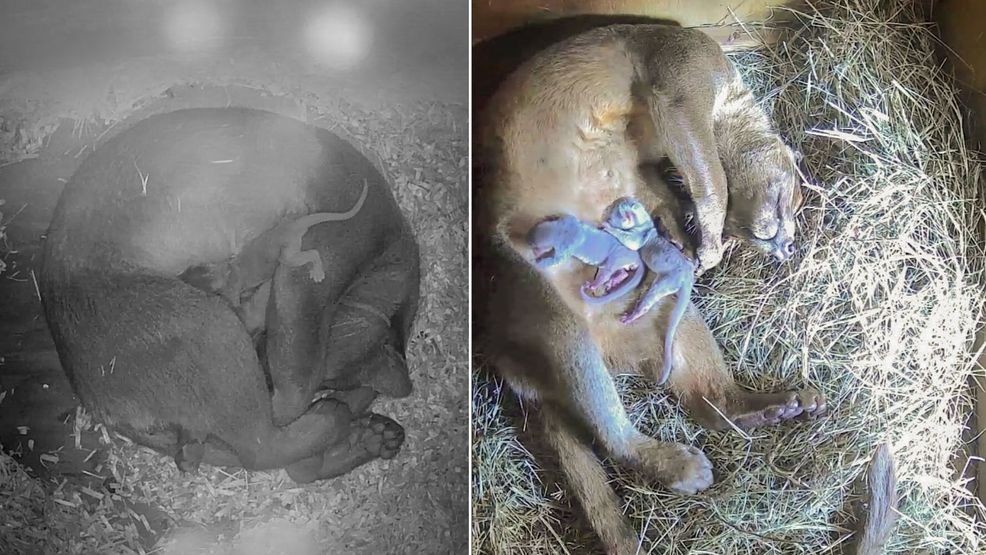
The Central Florida Zoo has welcomed two rare fosa kits, giving the vulnerable Madagascar species another boost in its conservation efforts. (Central Florida Zoo)
For now, the newborns remain behind the scenes as Alina focuses on caring for them during these critical early weeks. Zoo officials say she has been doing an excellent job, closely tending to the pair in a quiet, controlled environment.
To support that process, the Health & Wellness Garden has been temporarily closed to guests. The closure is intended to minimize noise and stress, giving the mother and her kits the best chance to bond and thrive.
See also: Florida Keys sheriff urges calm as Cuba-related drone reports spread online
Visitors may notice the change during their trip, but staff emphasize that it’s a key part of responsible animal care — especially for a species known to be sensitive during the early stages of development.
The kits are still too young for keepers to determine their sexes. A veterinary team plans to conduct its first hands-on exam at around eight weeks old, which will include routine vaccinations and a closer health assessment.
Fosas are known for their sharp agility and climbing ability, traits that help them hunt in the forests of Madagascar. While these newest arrivals won’t be ready to show off those skills for some time, their birth represents a meaningful addition to the managed population of the species.
For now, the zoo is celebrating the milestone quietly, allowing Alina and her newborns the time they need to grow stronger.
Guests hoping to catch a glimpse will have to wait a bit longer, but zoo officials say updates will be shared as the kits develop and eventually make their public debut.
Until then, the Central Florida Zoo is welcoming two tiny — and surprisingly fierce — reminders of one of the world’s most unique predators.