
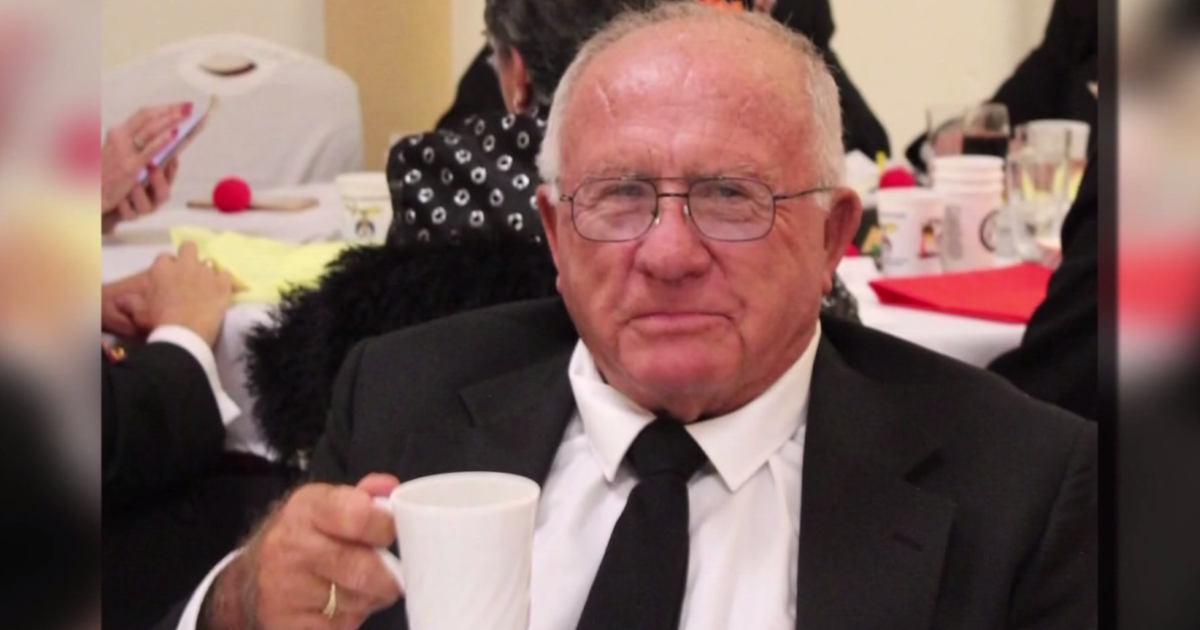
FORT MYERS, Fla. (WINK)— Three years after Porter Albert’s remains were found, investigators finally identified them as his.
Retired FBI agent Richard Kolko explained that time and the elements can make DNA identification much more difficult. The biggest delays often come as scientists work to recover enough DNA to make a positive identification.
“In cases like this, it’s not really the notification that takes so long, it’s finding out what the match is for the DNA, and that in itself, the testing process using different labs can add significant delays,” Kolko said.
Soft tissue and organs deteriorate over time, making identification more challenging. When remains are found years later, especially partial remains, the DNA identification process becomes much more complicated.
“They’ve got to use either bones or teeth, they might only have partial strands, and it just takes longer,” Kolko said.
Investigators use DNA from close family members to compare samples and confirm an identity. Albert’s ex-wife, Diana Albert Hall, recalls their son being tested at the University of San Francisco in March of this year.
Even with advances in forensic science, these cases can still take years to resolve. Heat, water and sun all degrade the ability to extract DNA.
“While this one seems like a long time, it’s not completely out of line with how long some of these cases take to resolve,” Kolko said.
Fort Myers police told WINK News once the DNA match was confirmed, their top priority was notifying Albert’s next of kin. WINK News reached out to the University of North Texas and FDLE for a clear timeline of when the remains were received and when the results were sent back to Fort Myers police.