
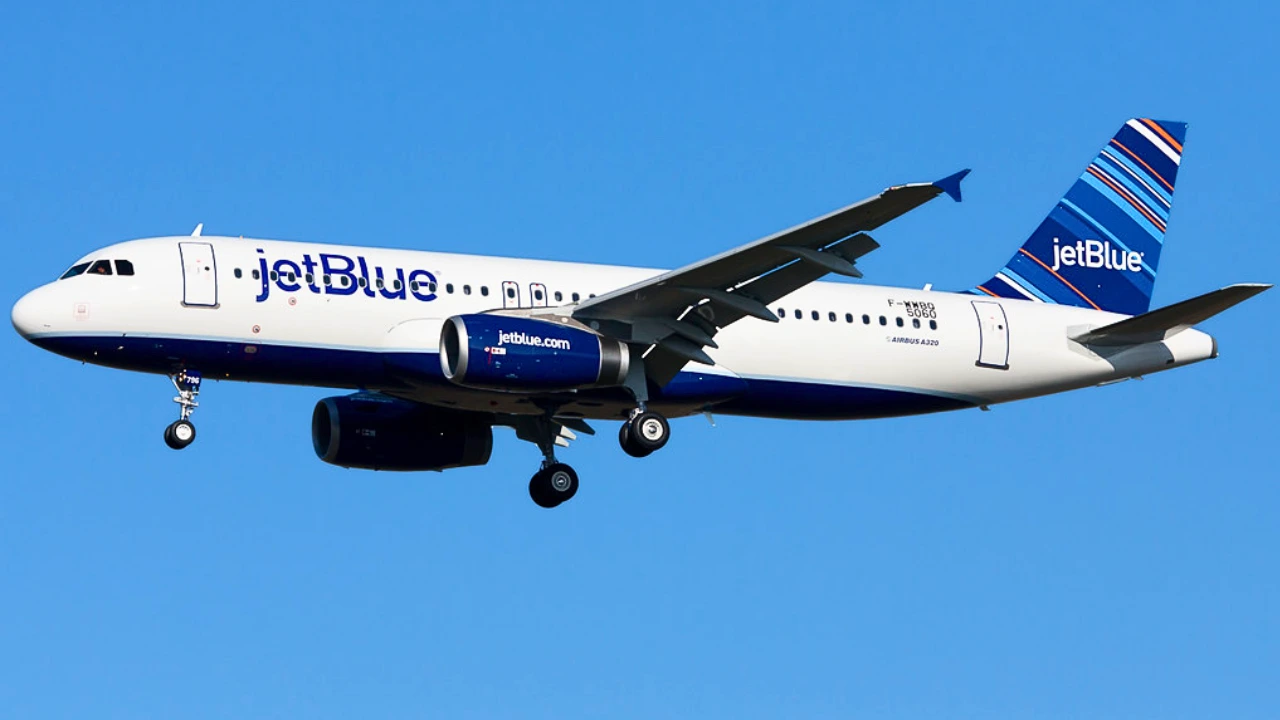
TAMPA– A JetBlue Airways (B6) flight was forced to make an emergency landing at Tampa International Airport (TPA) on Thursday after experiencing a sudden and unexpected drop in altitude.
Flight 1230 (an Airbus A320), operating from Cancún Airport (CUN) to Newark Airport (EWR), landed safely at approximately 2:19 p.m. ET, according to the Federal Aviation Administration (FAA). 15 people were transported to nearby hospitals for treatment following the incident.
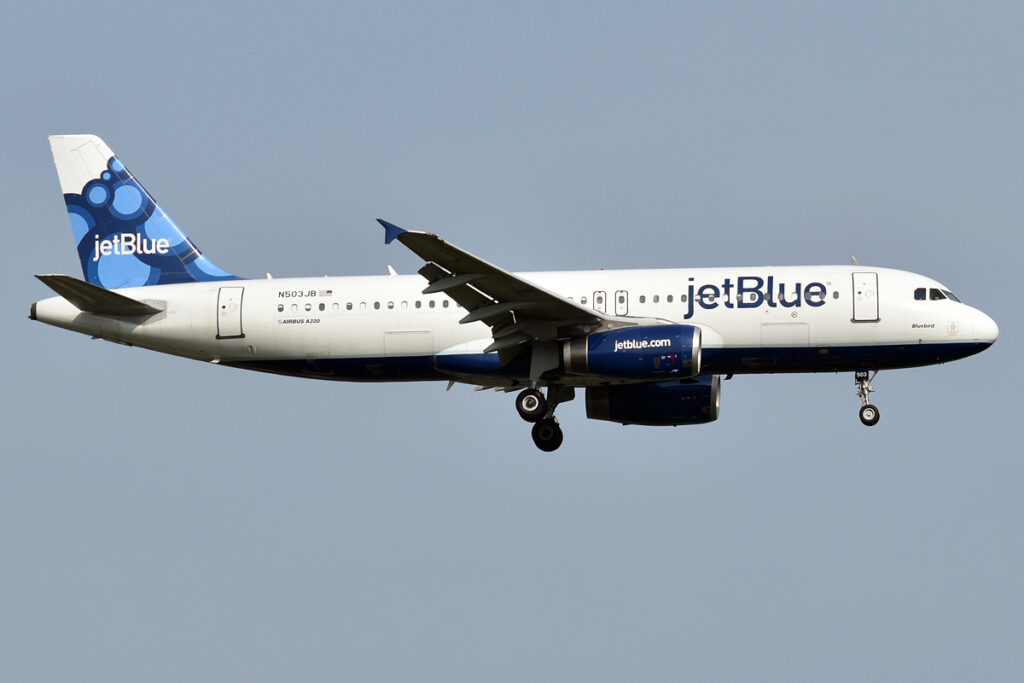 Photo: By Anna Zvereva from Tallinn, Estonia – JetBlue Airways, N503JB, Airbus A320-232, CC BY-SA 2.0, https://commons.wikimedia.org/w/index.php?curid=87516926
JetBlue Flight Drops in Altitude
JetBlue stated that Flight 1230 “experienced a drop in altitude” mid-flight, prompting the crew to declare an emergency and divert to Tampa.
Air-traffic control recordings captured a radio message reporting injuries onboard, including what was described as “a laceration in the head.” Emergency medical personnel were ready on arrival and treated passengers and crew immediately upon landing.
Tampa Bay Fire Rescue confirmed that 15 to 20 people were evaluated at the airport, with some transported to hospitals for further care, according to CNN. The FAA has launched an investigation into the reported “flight-control issue” affecting the Airbus A320.
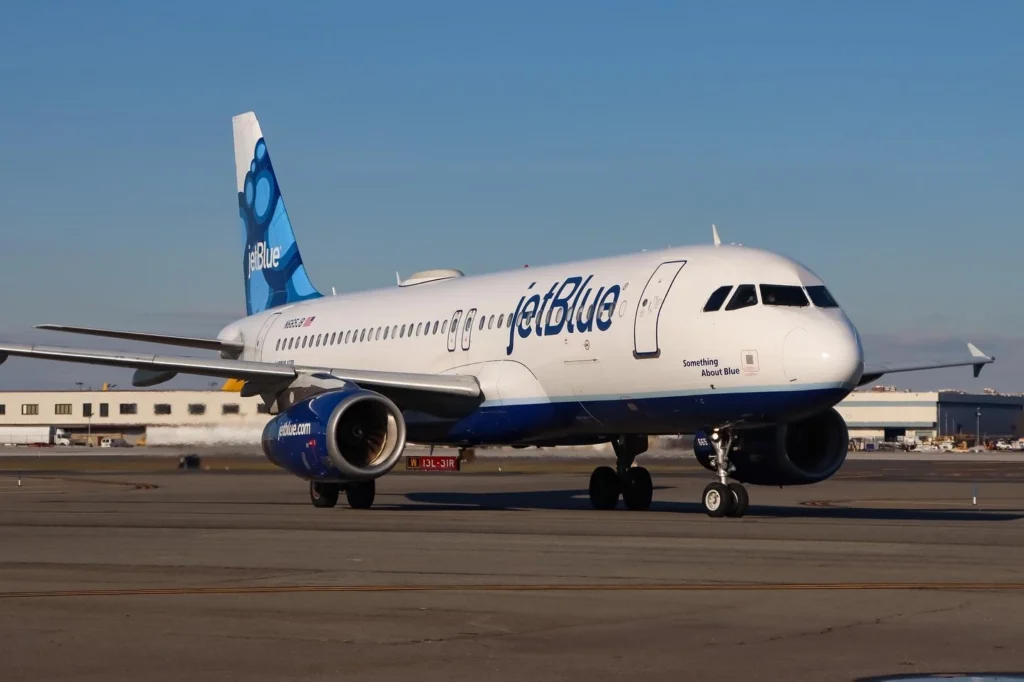 Photo: JFK Spotting
Flight-control and weather context
The reason behind the altitude drop remains under investigation. While JetBlue described the issue as a flight-control anomaly, officials have not yet identified any evidence of mechanical failure or human error.
The incident occurred shortly after a cold front passed through Florida, bringing gusty winds and light rain. However, no official connection has been made between the weather conditions and the event.
Aviation safety experts note that such situations highlight the importance of robust systems, pilot training, and quick decision-making under pressure.
With the busy holiday travel period approaching and ongoing concerns about air-traffic staffing due to the prolonged federal government shutdown, the episode adds to a growing list of operational challenges across the aviation sector.
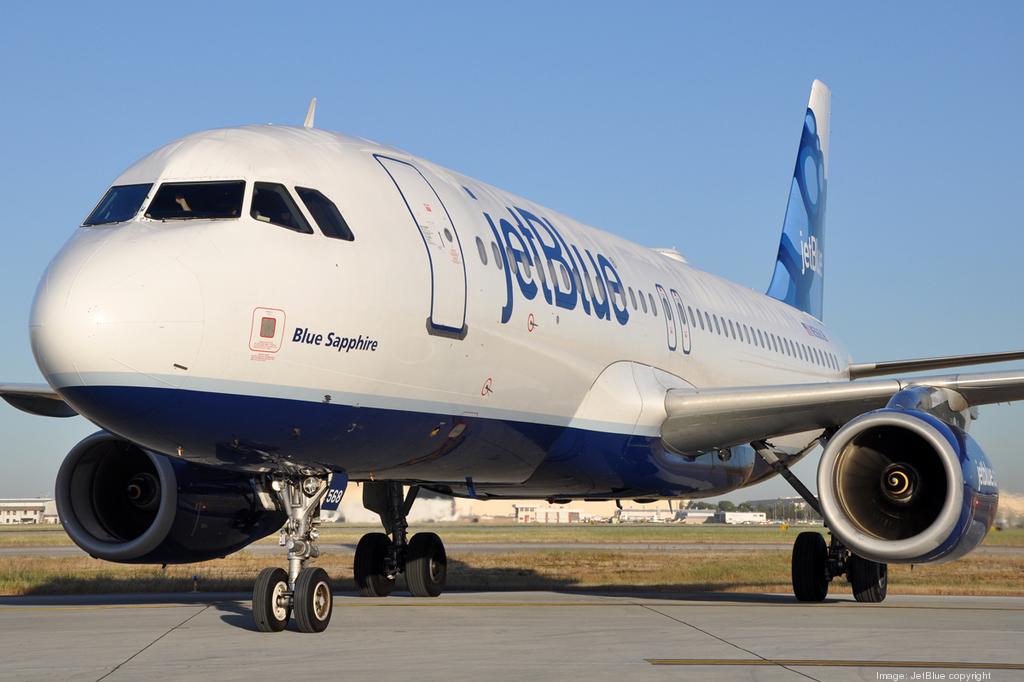 Photo: JetBlue Airbus A320
JetBlue and FAA’s Next Steps
JetBlue confirmed that the affected aircraft will undergo a full inspection before returning to service.
The FAA will lead the investigation to determine the precise cause of the incident, while the National Transportation Safety Board (NTSB) may become involved depending on the findings.
JetBlue also stated that it is assisting passengers and crew members impacted by the event. Regulators and industry stakeholders are expected to review the results closely to assess whether maintenance, design, or environmental factors played a role in the incident.
Until the investigation concludes, heightened caution is expected for similar flight operations.
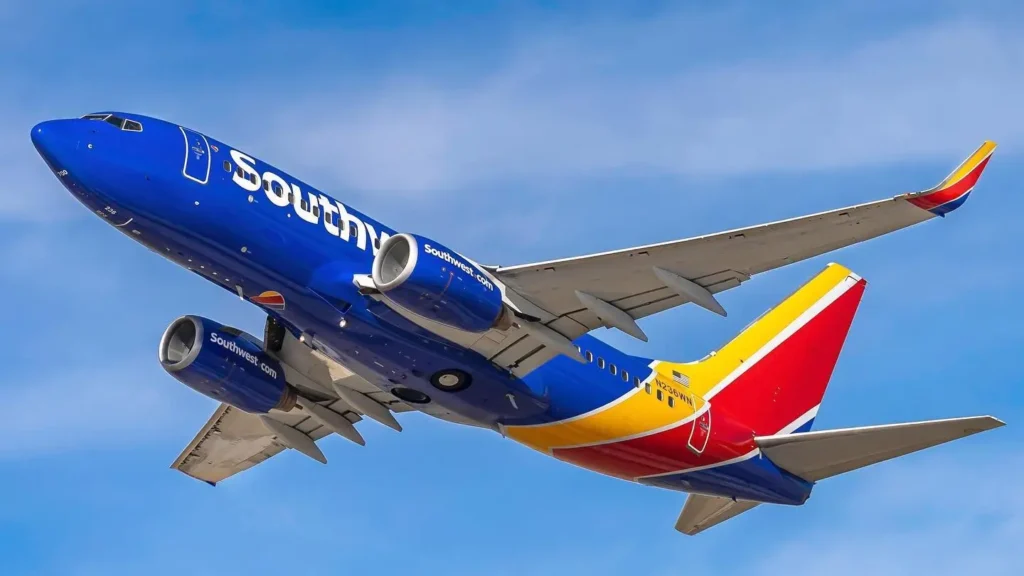 Photo: Cado Photo
Similar Incident
Southwest Airlines (WN) flight WN425 came dangerously close to disaster on July 14, 2024, when its Boeing 737 MAX 8 descended to just 150 feet while still four miles from Tampa International Airport (TPA).
The near miss occurred over Tampa Bay, moments before air traffic control issued a low-altitude alert. The aircraft later diverted to Fort Lauderdale (FLL), landing safely after a tense three-and-a-half-hour flight.
According to ADS-B data, the aircraft began its approach to Tampa around two hours and fifty minutes after departing from Baltimore/Washington International (BWI). As the 737 MAX 8 descended over Tampa Bay, it reached an altitude of only 150 feet—barely higher than the jet’s wingspan—while still miles from the runway threshold.
The flight path took the aircraft over the Courtney Campbell Causeway, an elevated bridge surrounded by open water. At such a low altitude, any minor error could have led to a catastrophic impact with either the water or the surrounding structures.
Air traffic controllers at Tampa immediately noticed the anomaly. A low altitude alert was issued:
ATC: “Southwest 425, low altitude alert, check your altitude. Tampa’s altimeter is 30.14.”
Pilot: “30.14, thank you, Southwest 425.”
The exchange suggested the pilots were calm but possibly unaware of how close they were to the surface. Moments later, they initiated a go-around procedure.
After acknowledging the controller’s warning, the pilots began a gradual climb. Tampa Tower then instructed them to cancel the approach clearance and climb to 1,600 feet.
ATC: “Southwest 425, you plan to go around?”
Pilot: “Yeah, we are, we have to go.”
ATC: “Roger, cancel approach clearance, go around runway 10. Fly runway heading and climb to 1,600.”
Rather than attempt another approach, the crew diverted to Fort Lauderdale-Hollywood International Airport (FLL), where the aircraft landed safely at 7:45 PM local time. No injuries were reported.
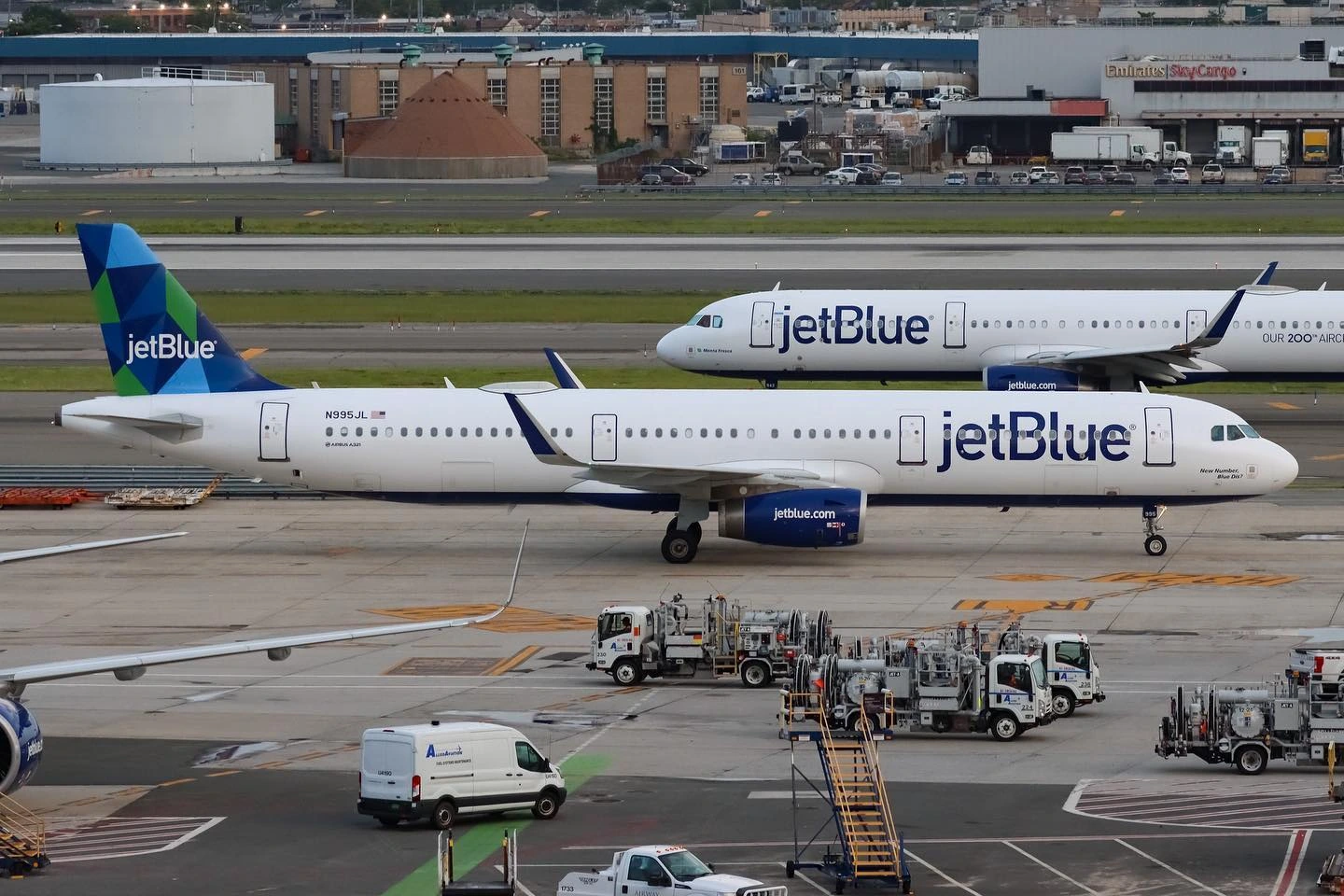 Photo: JFK Spotting
Bottom Line
The emergency landing of JetBlue Flight 1230 serves as a reminder that even routine commercial flights can encounter unexpected issues requiring immediate action.
Although no fatalities occurred, the hospitalization of at least 15 passengers underscores the need for continuous safety vigilance and effective crisis management.
As air travel demand rises and operational pressures increase, the focus on maintaining aviation safety standards remains as critical as ever.
Stay tuned with us. Further, follow us on social media for the latest updates.
Join us on Telegram Group for the Latest Aviation Updates. Subsequently, follow us on Google News