
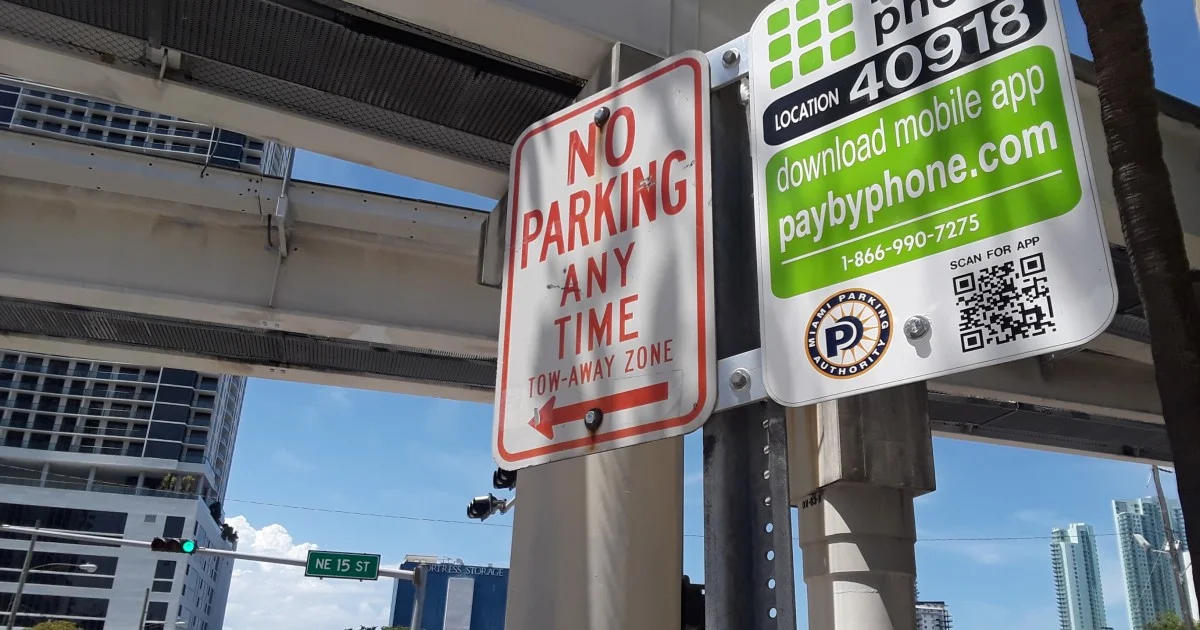
As St. Petersburg’s commercial corridors grow busier, city leaders are looking to give nearby neighborhoods a formal way to reclaim parking space when business activity spills onto residential streets.
The St. Pete City Council will take up a new ordinance Thursday that would create “Neighborhood Resident Only Parking Areas” to address overflow parking in residential areas near businesses and other high-activity corridors.
The proposal would amend the city’s parking code to create a process for neighborhoods outside existing residential parking permit areas near downtown to seek resident-only parking restrictions. The ordinance would also raise the annual residential parking permit fee from $15 to $30.
St. Petersburg’s existing residential parking permit program dates back to 1992, when the city created permit areas downtown between 5th Avenue North and 5th Avenue South, according to agenda documents prepared by Transportation & Parking Management Director Evan Mory. That footprint expanded in 2018 and 2019 to include additional nearby neighborhoods, but city staff says the issue is no longer limited to the downtown area.
“Businesses continue to open and expand along various commercial corridors, major roadways, and in pockets along lower-volume roadways in the City, while neighborhoods continue to experience challenges with overflow customer and employee parking,” Mory wrote.

The proposed ordinance does not create any specific resident only parking area. Instead, it creates a formal path for neighborhoods seeking resident-only parking restrictions by petition that shows support from at least two-thirds of the households in the area.
If the petition succeeds, the city’s Parking Operations Division would conduct a parking study to determine whether the area is significantly affected by enough vehicles owned by nonresidents to warrant the designation.
To qualify, the area would have to be more than 75% occupied during observation periods and at least 25% of the vehicles would have to be registered to people who do not live there. If city staff determine a resident-only parking area is justified, the designation would be presented to City Council for consideration through the ordinance amendment process.
Under the proposal, residents within an approved area could apply for residential parking permits for each vehicle registered to their home and receive up to three annual visitor parking permits.
Commercial service vehicles, including contractors, pool service, lawn service and similar delivery or service vehicles, would be allowed to park in a resident-only area for up to two hours. The ordinance also includes one limitation that grants businesses some overflow parking, indicating that parking spaces directly abutting commercial uses could not be designated as resident-only parking.

The City Council is scheduled to consider the ordinance on first reading Thursday. If approved, the measure would return for a second reading and public hearing tentatively planned for June 11.