
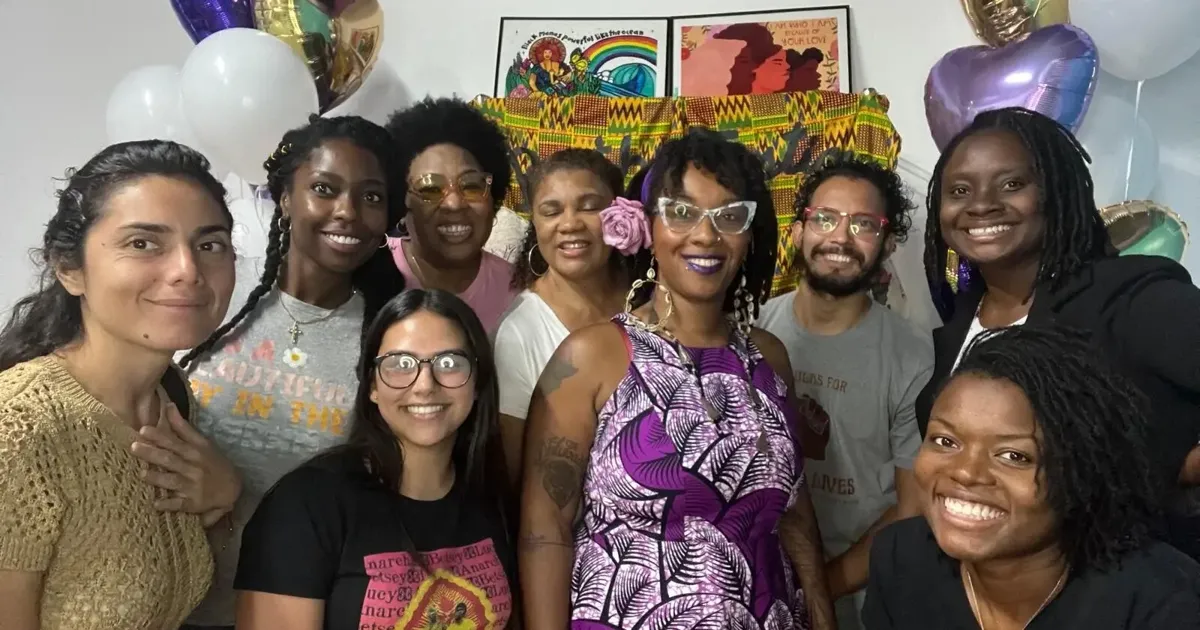
Q: What is Birth Justice?
A: Birth Justice is a framework created in Overtown, Miami, Florida, in 2010 at Power U Center for Social Change. That framework has grown into a movement through the work of the Southern Birth Justice Network and countless other organizations.
Birth Justice is the right of mothers and parents to ensure their own well-being and that of their babies. It intersects with all areas of our lives — social, political, economic, emotional and spiritual. Birth Justice acknowledges that all people can give birth and be parents. People of color, immigrant communities and LGBTQ communities, in particular, have endured a history of trauma and oppression surrounding our choices to have or not have children. We understand that when mothers and parents are empowered, our communities are transformed. When we bring children into the world with justice, naturally, without interference or dictates, it strengthens our innate power as mothers and parents to envision and create a free world where our children can play, learn and grow.
Birth Justice also includes access to holistic, humanistic and culturally centered healthcare during pregnancy and childbirth. This care encompasses the entire pregnancy spectrum, including abortion, miscarriage, prenatal, birth and postpartum care. Birth Justice affirms the right to decide whether to carry a pregnancy and to choose when, where, how and with whom to give birth, including access to traditional and indigenous healers, such as midwives and other birth workers, along with breastfeeding support. All pregnancy, labor and birth options should be accessible to everyone as part of reproductive justice. These are fundamental rights for mothers and parents.
Q: What is a midwife?
A: The word midwife means “with woman.”
Midwives are independent health care providers for pregnant women. They are experts in low-risk pregnancy and natural birth. Midwives serve their communities in homes, birth centers, clinics and hospitals. Many accept Medicaid and other insurance plans. Florida has licensed midwives since 1931.
Midwives help women and communities understand the importance of education, health, nutrition, healing and autonomy over their bodies. There is currently a movement to improve community health and restore the art of midwifery by increasing people’s knowledge of their rights and access to midwives.
Midwifery has a rich history in communities of color, especially in the U.S. South. Black midwives traditionally cared for their communities during the toughest times in history: slavery, Jim Crow and the Civil Rights era. They upheld health and humanity in dehumanizing conditions. Midwives also provided holistic health care and have historically been a vital resource in their communities.
Q: What is a doula?
A: Doulas are non-medical professionals trained to provide physical and emotional support during childbirth. They offer continuous, undivided attention and encouragement to the birthing person. Doulas are skilled in comfort and relaxation techniques for labor, such as position changes, breathing exercises and massage, and they are experienced in providing non-judgmental emotional support. Additionally, doulas can offer extended support during pregnancy and after birth, and for other reproductive health experiences like miscarriage and abortion.
Midwives and doulas often team up to offer families caring, comprehensive support: the midwife as the healthcare expert on pregnancy and birth and the doula as a non-medical advocate and coach by their side.
Jamarah Amani is a mother of four, a midwife, and the executive director of Southern Birth Justice Network.

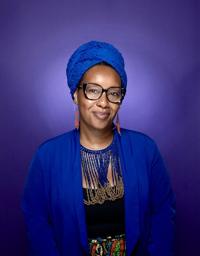
(Courtesy of Jamarah Amani)