
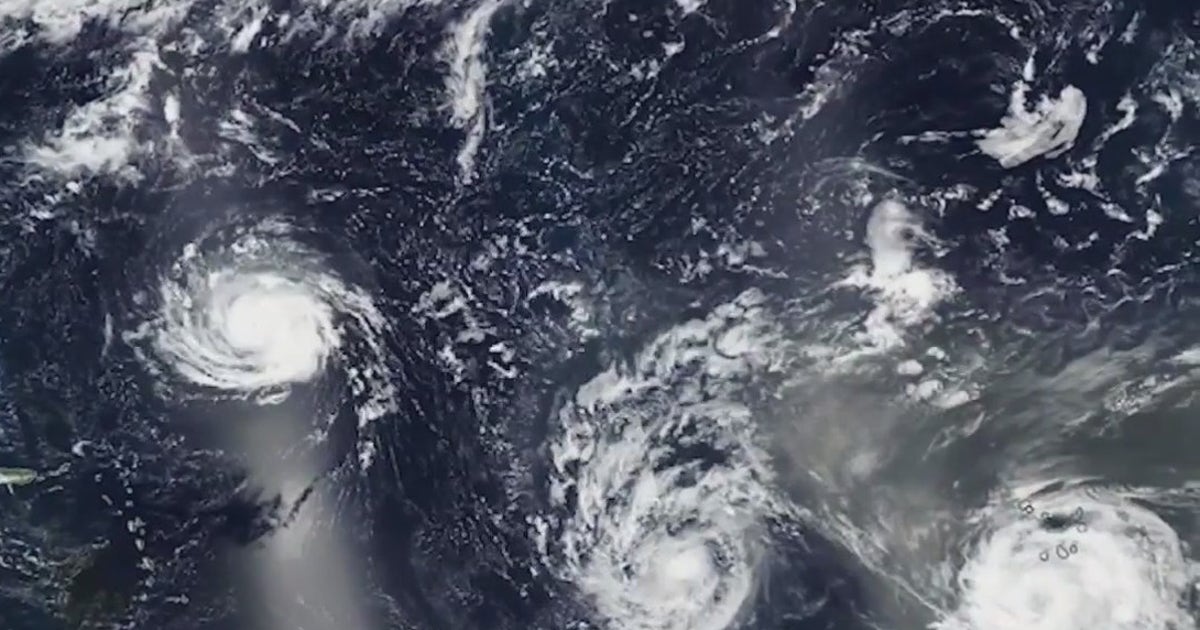
 FOX 13 SPECIAL: STORM SEASON 2026
Chief Meteorologist Paul Dellegatto gets you ready for this year’s hurricane season.
What to expect, what’s changed, and what you need to know before the next storm threatens the Tampa Bay Area.
TAMPA, Fla. – Floridians dodged a bullet during the 2025 hurricane season and researchers are predicting a ‘below normal’ season in 2026, but the time to prepare is now.
When is hurricane season?
The 2026 hurricane season is June 1–Nov. 30, 2026.
How many hurricanes are expected in 2026?
By the numbers:
Colorado State University is predicting a “somewhat below-normal” 2026 hurricane season. The researchers are predicting:
13 named storms6 hurricanes2 major hurricanes (Category 3 or higher)
The report also includes the probability of major hurricanes making landfall in 2026:
32% for the entire U.S. coastline (average from 1880 to 2020 is 43%).15% for the U.S. East Coast, including the Florida Peninsula (average from 1880 to 2020 is 21%).20% for the Gulf Coast from the Florida panhandle westward to Brownsville, Texas35% for the Caribbean Why is 2026 expected to be a ‘below normal’ hurricane season?
According to forecasters, a weak La Niña is expected to transition into El Niño over the next few months, creating a moderate/strong El Niño for the peak of hurricane season.
Why does El Niño Matter?
Why you should care:
El Niño typically creates “vertical wind shear” over the Atlantic, which often tilts or rips a developing storm apart before it can become organized.
It also means that parts of the western Atlantic and eastern parts of the ocean, where many big storms are born, are cooler than normal.
What are the 2026 hurricane names? ArthurBerthaCristobalDollyEdouardFayGonzaloHannaIsaiasJosephineKyleLeahMarcoNanaOmarPauletteReneSallyTeddyVickyWilfred Emergency Kit Supplies
What to pack in hurricane kit:
Keep important documents — such as birth certificates, social security cards, copies of insurance policies, identification and bank account records — in a safe place and/or create password-protected digital copies.
Keep a list of important contacts, such as Emergency Management Offices, county law enforcement, county public safety fire/rescue, local hospitals, local utilities, local media (such as TV and radio stations) and your property insurance agent.
Assemble a disaster supply kit that will help you meet all your basic needs. The National Oceanic and Atmospheric Administration (NOAA) suggests including:
Water — one gallon of water per person per day for at least three days to be used for drinking and for sanitationFood — at least three days-worth of non-perishable foodsBattery-powered or hand crank radio and a NOAA Weather Radio with tone alertFlashlightFirst aid kitExtra batteriesWhistle to signal for helpDust mask to help filter contaminated air and plastic sheeting and duct tape to shelter in placeMoist towelettes, garbage bags and plastic ties for personal sanitationWrench or pliers to turn off utilitiesManual can opener for foodLocal mapsCell phone with chargers and a backup batteryPrescription medicationsNon-prescription medications such as pain relievers, anti-diarrhea medication, antacids or laxativesGlasses and contact lens solutionInfant formula, bottles, diapers, wipes, diaper rash creamPet food and extra water for petsCash or traveler’s checksSleeping bag or warm blanket for each personChange of clothing appropriate for your climate and sturdy shoesHousehold chlorine bleach and medicine dropper to disinfect waterFire extinguisherMatches in a waterproof containerFeminine supplies and personal hygiene itemsMess kits, paper cups, plates, paper towels and plastic utensilsPaper and pencilBooks, games, puzzles or other activities for children
It’s important to keep your emergency kit updated, so check in annually to replace any expired medications or food and to update the kit with additional items your family may need.
Pet Preparation
If you have pets, it’s important to plan for their needs as well, and you may want to create a separate emergency kit just for them. FEMA offers suggestions for what to place in that kit to ensure your pet’s best chance of getting through the emergency safely.
FEMA also recommends keeping your pet’s microchip information up to date in case they get lost, and creating a buddy system with neighbors or nearby friends and family to help your pet in the case that you aren’t home. Familiarize yourself with pet-friendly hotels and shelters along your evacuation routes in the case that you must leave your home — many emergency shelters cannot take in animals that are not service animals for health and safety reasons.
Home Preparation
Your home is almost certainly going to take a beating during a hurricane, but here are steps you can take to fortify your residence:
Keep drains and gutters free of debris and clutterInstall check valves in your plumbing to prevent backupsIf you don’t have hurricane shutters, consider getting themReview your insurance policies Car Preparation
If you need to drive away from a hurricane in an evacuation, having important items ready in an separate emergency kit in your car can make leaving much more efficient. Prepare items such as:
FlaresPhysical mapsJumper cablesExtra cans of gasWarm blanket(s) Know your zone
Evacuation zones:
If you live in a zone that has been ordered to evacuate, get out. However, that doesn’t mean you have to leave the state, or even the county where you live.
Evacuation orders are given for storm surge zones in order to keep residents safe from the risk of storm surge flooding. The flooding typically subsides after the storm passes and residents will be allowed to return to their homes.
Click here to see your evacuation zone.
What is the difference between an advisory, a watch and a warning? Advisory
What is Means:
This type of statement is issued when significant weather is happening or forecast, but no widespread impacts are expected.
What you Should Do:
Prepare for the type of inclement weather that is indicated in the advisory.
Watch
What it Means:
This type of statement is issued when dangerous weather is forecast to occur and widespread impacts to life and property are expected. It means forecasters believe conditions are right for severe weather to happen. You can think of this as the National Weather Service’s way of saying, “Be on the lookout for severe weather.”
What you Should Do:
Prepare for the type of severe weather that is indicated in the watch. This means reviewing your safety plans so that you are ready to take action if a warning is issued.
Warning
What it Means:
This type of statement is issued when severe weather is occurring and poses an immediate danger to life and property.
What you Should Do:
Take action, meaning you should immediately execute your safety plan for the type of severe weather that is indicated in the warning.
The Source: The information in this story was gathered from Colorado State University researchers, who released their 2026 seasonal forecast, as well as safety guidelines provided by NOAA and FEMA.