
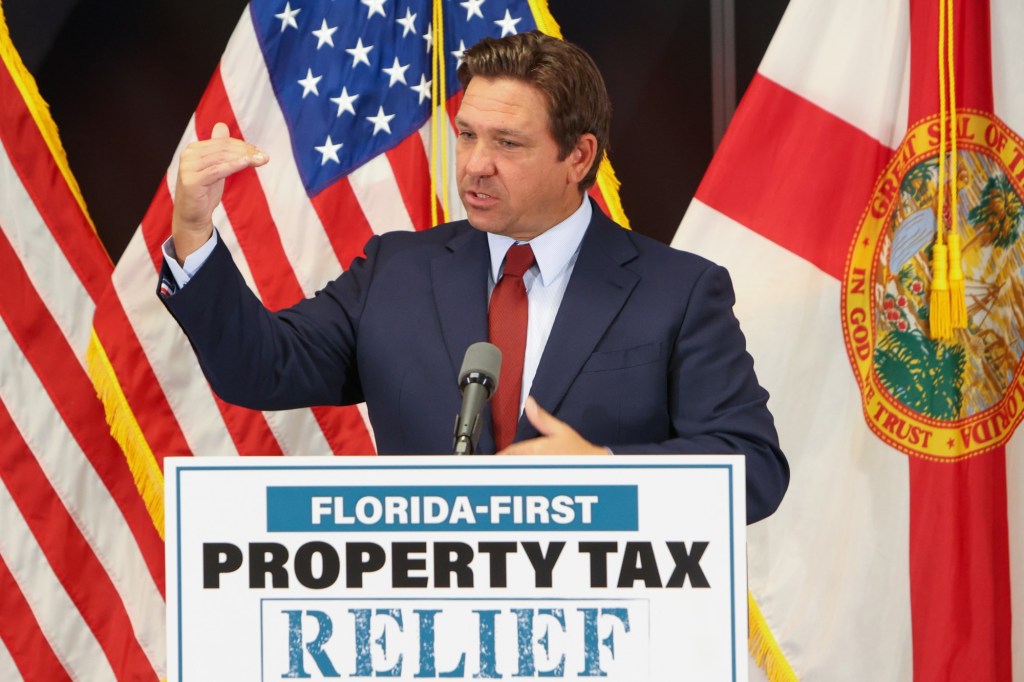
Tallahassee is convening a special session that will distract from the financial crises currently suffocating Florida families and businesses: skyrocketing property and auto insurance premiums, ever-increasing rental costs due to a shortage of affordable housing, unaffordable healthcare and inflation caused by national policies. Instead, Tallahassee wants you to attack local municipal property taxes for homesteaded properties, which will give marginal relief to some and compound our economic crisis and inflationary pressures for most.
Attractive cities focus on keeping spending lean, creating a regulatory environment that restrains the worst habits of local government, providing the most attractive services to inspire local economic development and fostering a tax base where both businesses and families can invest and thrive in good times and bad. This means protecting the taxpayer’s wallet while ensuring the foundational infrastructure required for economic growth — high-quality city services, elite first responders and public safety, attractive parks and programs for the young and young-at-heart — remains structurally sound. In Sunrise, for 16 years we never raised the millage rate while investing heavily in smart economic growth strategies.
 Mike Ryan is the mayor of Sunrise.
The decision to fast-track a special legislative session to attack local property taxes, rather than the other crushing affordability issues, is confusing. Florida is the most expensive state for property insurance, and South Florida is the least affordable area of the country. Property insurance premium increases have forced seniors from their condominiums, stalled first-time home buyers, and caused families to move away. Ask yourself, why hasn’t a special session been convened with the same urgency to fix these economic challenges?
The current plan is not, as marketed, an “elimination of property taxes.” Instead, this proposal targets only that portion of your property tax bills supporting local services you rely upon daily. When you expect rapid public safety response, call code enforcement, visit a municipal park, want localized flood mitigation and clean streets, seek support services, participate in free concerts and discounted programs for children and seniors, or drive on paved roads without potholes, you are using the city or county general fund.
To avoid angering first responders with this plan, it forces cities to freeze public safety budgets at current levels forever. This will create a real strain on future budget decisions and a two-tiered class of city employees.
Our general employees also provide critical services. The public works crews who keep the city running and clear our roads after storms, the technicians who maintain our municipal infrastructure, the staff who keep our parks and the programs attractive and affordable and our administrative staff are now at risk. You cannot run a functional city by protecting one sector while letting the rest of the municipal workforce and infrastructure crumble.
For first responders, there will be foreseeable pressure from residents and businesses to alter benefits for current and retired employees as cities are forced into tough budgetary decisions balancing people, equipment and quality-of-life services, particularly where the cost of personnel, fuel and public safety equipment is rising. To be sure, our police officers and firefighters deserve to be competitively compensated. But by wiping out 10% to 20% of city operating revenues, our general employees are being served up as sacrificial lambs.
Most damaging of all, this proposal represents a compounding economic disaster for Florida’s renters and small business owners. While providing some marginal relief exclusively to homesteaded residents, it does absolutely nothing to address the rising cost of housing for the millions struggling to survive in a hyper-inflated housing market.
Apartment complexes, commercial real estate, and small business storefronts will become collateral damage for local governments forced to avoid cutting key services. Second homes and investment properties will also be funding targets, thereby negatively impacting crucial seasonal tourism. Some cities may implement or raise localized usage fees, commercial impact fees, and commercial service assessments to bridge budget shortfalls.
Commercial property owners and landlords will pass on every penny of increases. Small retail shops will be forced to pass rent increases on to consumers, most of whom may never financially benefit from this plan. Residential renters will experience even higher rents driven by landlords covering new taxes and municipal fees.
This special session isn’t a victory for affordability; it ignores the significantly higher economic pain in our communities from insurance premiums, home unaffordability and healthcare costs while threatening the daily services that keep our cities running.
Mike Ryan has been the mayor of the city of Sunrise since 2010.