
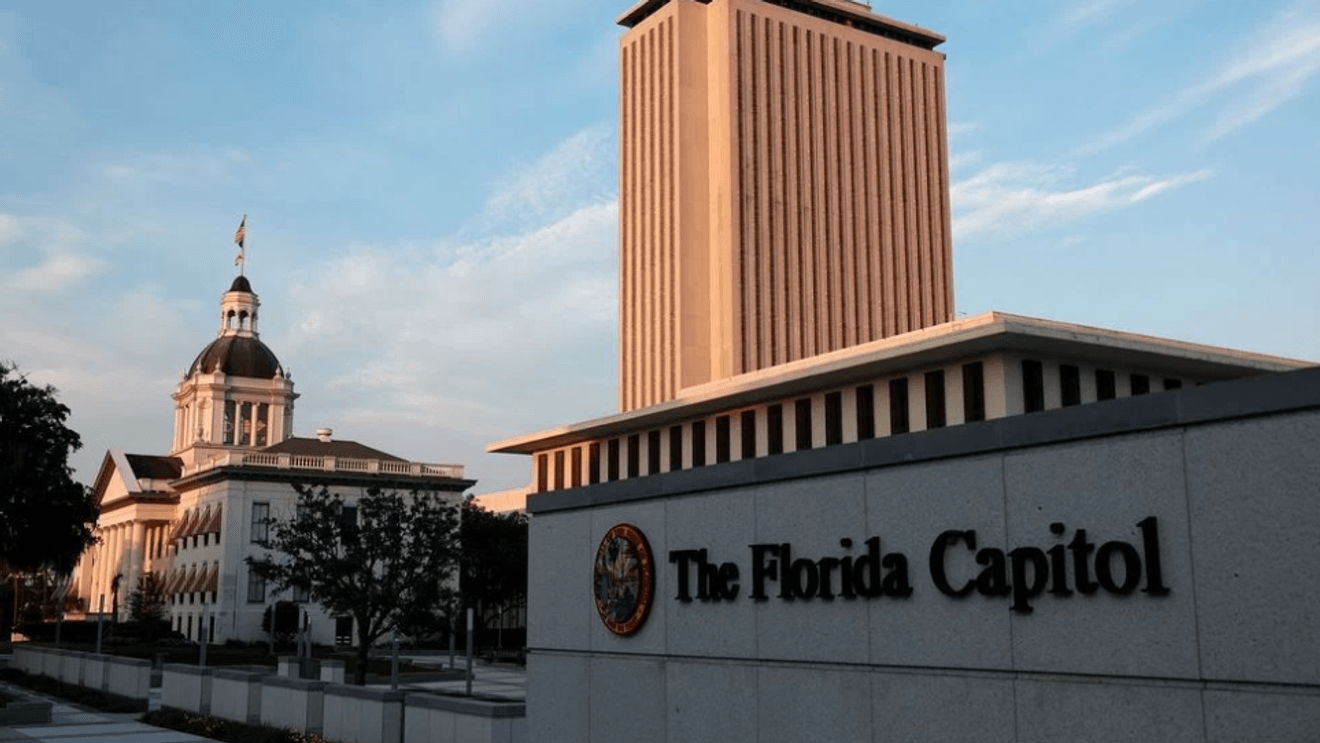
TALLAHASSEE, Fla. — As lawmakers prepared to vote on Florida’s state budget Friday, senators sparred over the continued growth of the state’s school choice programs, funding for public schools and services for Floridians with disabilities.
The spending plan, totaling roughly $115 billion, would take effect July 1 if approved and signed by Gov. Ron DeSantis.
A significant portion of the debate centered on education funding as lawmakers grapple with the impact of declining enrollment in traditional public schools and increasing participation in Florida’s school voucher programs.
Senate budget chief Sen. Danny Burgess, R-Zephyrhills, defended a $79 million allocation designed to help school districts experiencing enrollment losses, saying lawmakers chose a formula that would cover about 25% of those declines.
The discussion came as Sen. Carlos Guillermo Smith, D-Orlando, questioned whether districts are receiving enough support as student populations continue to shift.
At the same time, Burgess said Florida’s scholarship programs continue to expand, with funding growing from about $3.8 billion last year to roughly $4.5 billion in the proposed budget.
“More and more families are looking towards the scholarship program,” Burgess said. “We would expect those numbers, as well as the cost, to go up.”
Smith also pressed lawmakers on oversight of the scholarship system, asking how the state will track where voucher dollars are being spent after accountability legislation backed by Senate leadership failed to reach the governor’s desk this year.
Burgess acknowledged additional work remains.
“I won’t try to sugarcoat it,” Burgess said. “There’s still a lot that we feel that we need to address, but we’ll have to look to do that maybe next year.”
The debate also highlighted concerns about public school mental health funding, which remains unchanged from last year despite growing demands on student support services.
Beyond K-12 education, senators discussed higher education spending after negotiations eliminated funding for Florida’s preeminent university program. The Senate had initially proposed $100 million for universities meeting the state’s highest academic and research benchmarks.
Sen. Jennifer Bradley, R-Fleming Island, said lawmakers were ultimately unable to reach agreement on the funding, though she noted the program remains in state law and could be revisited next year.
The issue carries particular significance in North Florida, where Florida State University remains one of the state’s top-performing public universities and a major economic engine for the Tallahassee region.
Lawmakers also turned their attention to services for Floridians with developmental and intellectual disabilities.
Sen. Jay Trumbull, R-Panama City, said more than 16,000 people remain on the state’s iBudget waiver waiting list, though recent enrollment efforts have reduced the backlog and added more than 2,000 individuals to the program.
Trumbull said lawmakers continue to balance the need to expand services with concerns about whether enough providers exist to meet growing demand.
“There is a delicate balance between the number of folks that are enrolled and the actual providers that are out there,” Trumbull said.
To address workforce shortages, the proposed budget includes an additional $22.7 million for provider rate increases, following a 10% increase approved last year.
The Senate’s debate offered a preview of the policy priorities shaping the state’s spending plan as lawmakers weigh how to fund a growing school choice system, support public institutions and address ongoing healthcare and disability service needs across Florida.
Final passage of the budget is expected later Friday afternoon before it heads to Gov. Ron DeSantis for his consideration.