
TAMPA, Fla. — As Florida enters the busy summer travel season, tourism leaders are closely monitoring visitor trends following a statewide decline in travel during the first quarter of the year.
According to state data, Florida welcomed just under 40 million visitors between January and March, marking a 1% decline compared to the same period last year. Rising fuel costs have contributed to higher gas and airfare prices, creating concerns about tourism demand heading into the summer months.
Despite the statewide slowdown, Tampa continues to post strong tourism numbers.
Visit Tampa Bay reported that March was a record-setting month for the region, with hotel revenue reaching $134 million. The strong performance generated $8.4 million in Tourism Development Tax revenue, providing a significant boost to local tourism-related funding. While April figures have not yet been released, tourism officials believe another record month may be possible.
Industry leaders attribute Tampa’s resilience to a diversified tourism strategy that extends beyond traditional leisure travelers. Over the past several years, Visit Tampa Bay has focused on attracting a mix of convention attendees, corporate meetings, sporting events, concerts, festivals, and other large-scale gatherings.
“We’re very fortunate to have a city convention center,” said Santiago Corrada, CEO of Visit Tampa Bay. “We work closely with the team there to layer groups in first and then build with leisure travelers, corporate meetings, sporting events, entertainment events, concerts, festivals, and more. The foundation is a strong convention calendar.”
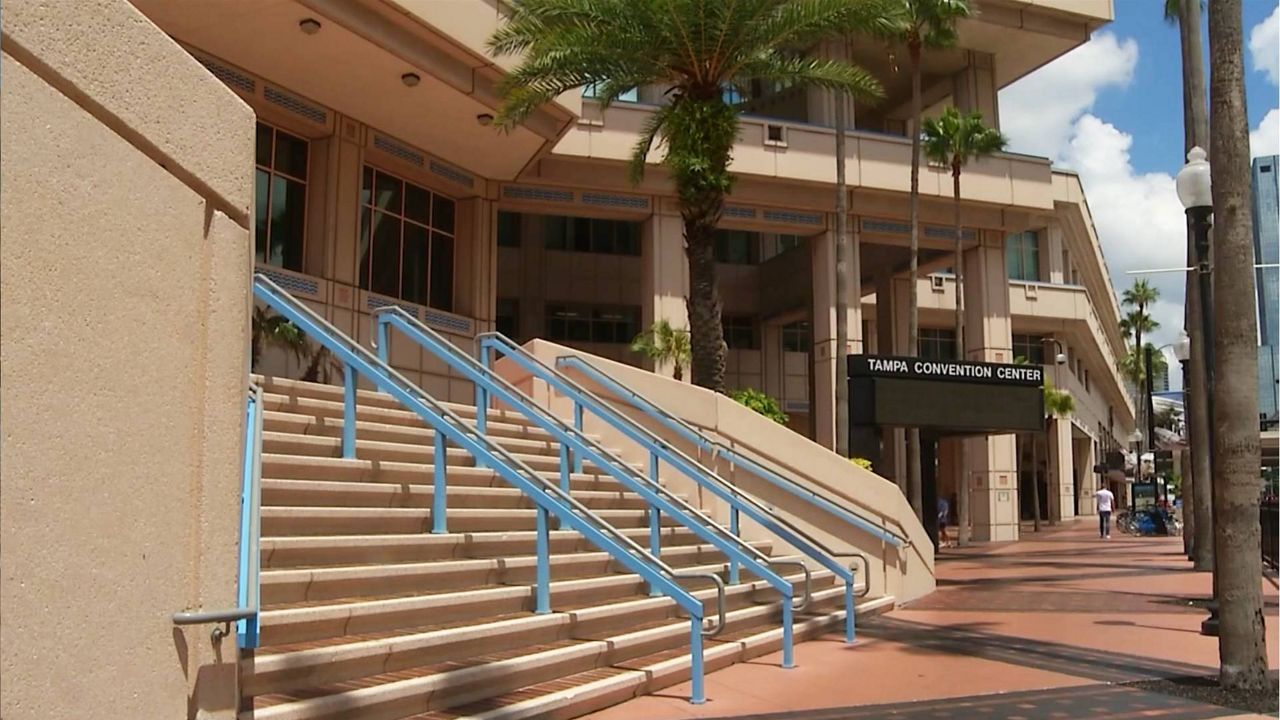
That strategy appears to be paying off. The city of Tampa expects the Tampa Convention Center to host 101 events this year, drawing more than 325,000 unique visitors. That represents a significant increase from the approximately 285,000 visitors recorded last year.
Tourism officials hope the region’s strong convention business will help offset any broader declines in leisure travel that some destinations across the country are already experiencing.
Another bright spot for the local tourism industry is the continued growth of the cruise sector.
Port Tampa Bay recently celebrated a record-setting spring break season as cruise traffic continues to climb. The port expects to serve approximately 1.8 million cruise passengers this year, up from 1.6 million in 2024. To accommodate growing demand, construction is underway on a new cruise terminal.
With convention attendance, hotel revenue, and cruise passenger numbers all trending upward, Tampa’s tourism industry appears well-positioned to weather potential headwinds and maintain momentum through the summer travel season.