
PINELLAS COUNTY, Fla. — As Florida lawmakers continue to negotiate the details of a proposed property tax relief measure, local governments are assessing what this plan could mean for budget items from essential services and projects.
Lawmakers were back at the Capitol Tuesday for day two of a special session on property taxes. Tuesday afternoon, lawmakers approved a property tax constitutional amendment.
Gov. Ron DeSantis’ proposal, dubbed “Save Our Homes from Excessive Property Taxes,” would provide tax relief to homeowners in a number of ways, including:
It would exempt the first $250,000 of a homestead’s value from taxation
Require local government to use remaining property taxes for core public services — like education, public safety, and infrastructure
Limit future property tax assessments on businesses
Require Florida residency for five years prior to receiving the exemption if moving after Jan. 1, 2027
Create a state trust fund to support local governments financially to ensure those core services aren’t negatively affected
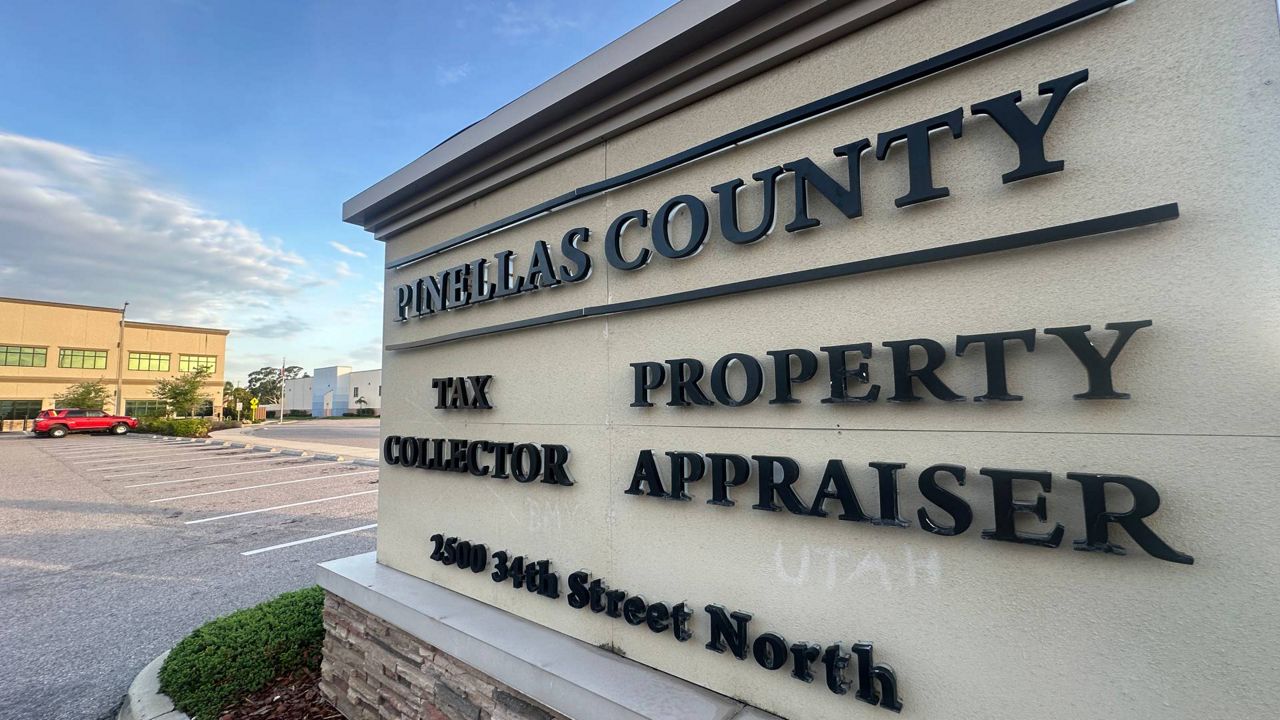
Pinellas County Property Appraiser Mike Twitty said the county would take about a 24% hit to its general fund.
We are subject matter experts on this stuff, and do see the many layers and the complexities that surround this topic, and it’s tough when you try to put one-size-fits-all solutions in place,” he said.
On Monday, during the special session, lawmakers revised the amendment to keep public school districts from being affected. It would also preserve the ability of cities and counties to use property tax revenue to support some constitutional offices, including tax collectors and supervisors of elections.
Local leaders remain concerned about the financial implications.
“The property tax is the majority of our general fund,” said Tampa Mayor Jane Castor. “What we need to fund our police and fire is more than what we bring in property tax. So, if there are dramatic cuts to property tax, then there will be some dramatic adjustments.”
St. Petersburg Mayor Ken Welch echoed those concerns, warning that cuts to property tax revenue could force cities to reconsider spending priorities beyond public safety.
“If the legislature is saying, ‘We’re going to cut $78 million of your property taxes and still require you to keep police and fire service,’ that means everything else is on the table, whether it’s housing, our arts funding, or parks,” Welch said.
Lawmakers can put a measure on the November ballot, and Tuesday’s actions in Tallahassee do that. But 60% of voters must support it for it to pass.