
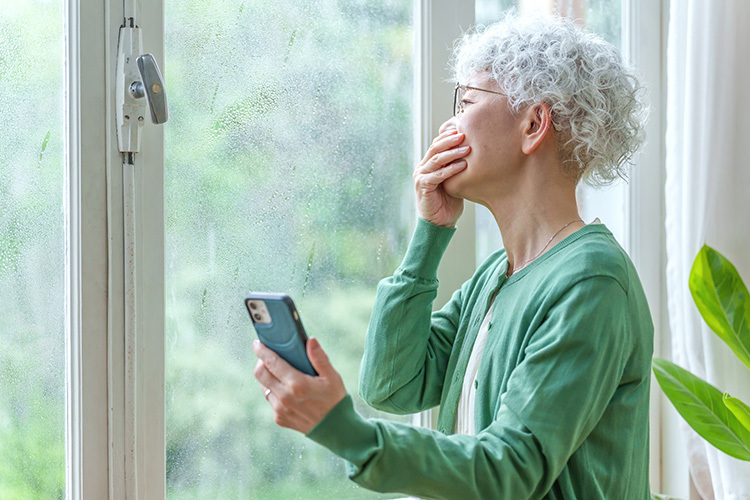
STOCK PHOTO
As Hurricane Ian flooded Southwest Florida in 2022, an 87-year-old Fort Myers man tried to evacuate. Seeking shelter, he made it as far as LaBelle before turning around to drive back through rising water. He was later found dead in his car, submerged in a drainage culvert.
A couple chose to ride out the storm in their Fort Myers Beach home. The husband, 81, drowned. His wife, 82, remained missing for weeks until workers clearing debris discovered her body in a mangrove thicket.
In Charlotte County, a 79-year-old man with COPD lost power to his oxygen machine and died.
A 78-year-old Charlotte County man, unable to use his CPAP machine due to outages, succumbed to heart disease.
They were among the 149 people who died from the Category 4 storm, which hit Southwest Florida with winds up to 150 mph and storm surge up to 15 feet.
Of those who died, about two-thirds were seniors.
Why seniors are vulnerable
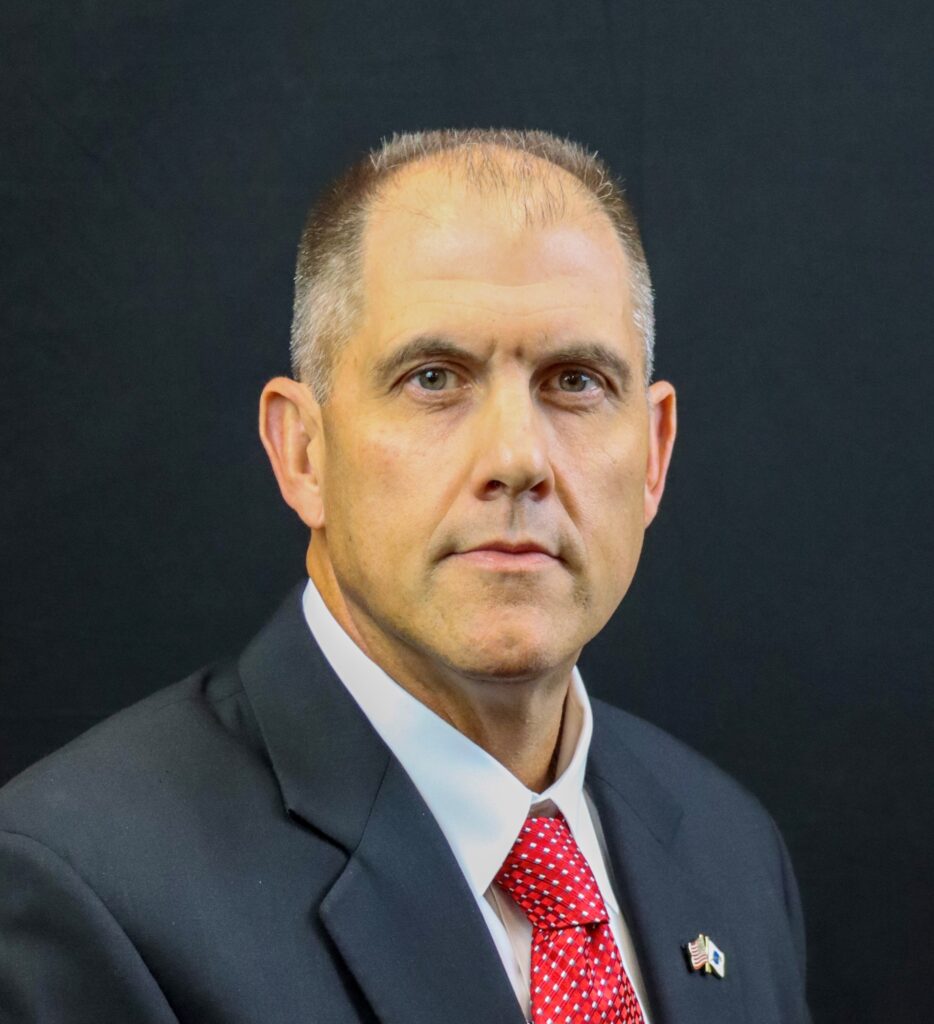
John Schultz, Lee County Emergency Management chief. -COURTESY PHOTO
In South Florida’s coastal communities, the elderly are among the most vulnerable to major storms. Seniors often face additional obstacles — from limited mobility to reliance on electricity for medical devices — that complicate hurricane preparedness.
“Seniors face greater challenges with storm preparation. Some with physical limitations may need more time to prepare or help with tasks,” said Patrick Fuller, Charlotte County’s emergency management director.
Recognizing those limitations early allows families and individuals to plan ahead — whether by arranging help to install shutters or bringing in outdoor items that could become dangerous debris.
Planning ahead
“In a time of disaster, it’s too late to do that stuff,” said John Schultz, Lee County emergency management chief.
Schultz said families should discuss preparation well before an imminent storm.
“It goes back to having a plan — having those critical conversations with your loved ones,” he said. “You may have to take a little bit more time and patience to walk through what that plan looks like.”
That plan should include where to go when a storm is imminent. Evacuation doesn’t always mean traveling far – staying with a friend or relative a few miles inland may be enough.
“A lot of people still have PTSD from the storms that we’ve had,” Schultz said. “So having these conversations early and having a plan will help relax some of that anxiety.”
Evacuation challenges
During Hurricane Irma, Schultz saw a common problem: out-of-town relatives rushing in to help elderly parents, only to become stranded themselves.
“They fly down to help, and then there are no rental cars or flights available,” he said. The result: Instead of one elderly person arriving at the shelter and needing a bed, they show up with relatives in tow.
But many seniors hesitate to leave at all.
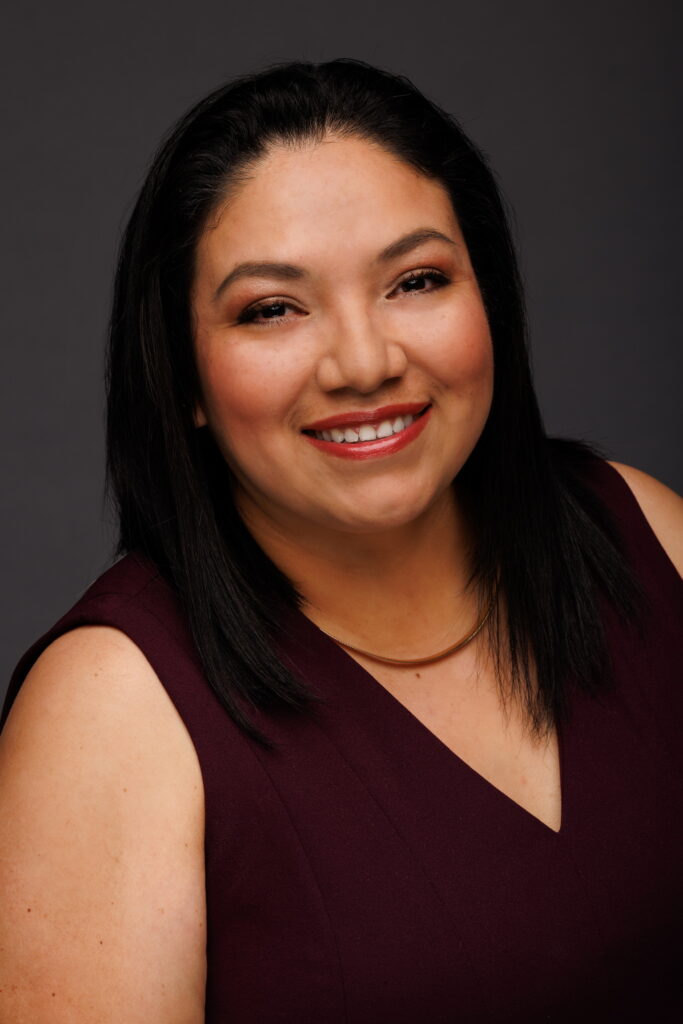
Maricela Morado, CEO and president of the Area Agency on Aging for SWFL. -COURTESY PHOTO
Maricela Morado, CEO and president of the Area Agency on Aging for Southwest Florida, said older adults are often reluctant to evacuate, in part because they don’t realize what resources are available.
“They don’t know there are shelters that accept their pets,” she said. “And they’re afraid of going to another location and not being able to come back to their home.”
Transportation is another barrier.
“The biggest thing people don’t know is that transportation can be provided and there are emergency shelters they can go to, even if they have pets,” Morado said. “But the important thing is they have to pre-register.”
She recalled working with an elderly client who resisted leaving during a 2024 hurricane.
“I had to explain the resources are there for her own good,” Morado said, adding that it took multiple calls before the woman agreed to contact a relative for help.
Pets can also complicate evacuation decisions, though most counties now offer pet-friendly shelters.
Neighbors and community
Not all seniors have family nearby. In those cases, neighbors and community networks can be crucial.
Schultz said neighbors often help each other with cleanup after storms, but those connections should start before disaster strikes.
“If you know someone in your neighborhood that was recently widowed, living by themselves, reach out to them and say, ‘Hey, I’m a resource for you,’” he said.
Even simple contact can make a difference.
“Many seniors have smartphones and can text. Just having that line of communication might be the thing that gets someone across the finish line in case of a disaster,” Schultz said.
Fuller added that seniors can build support networks through churches, civic groups, clubs or neighborhood associations.
Medical needs
For seniors who rely on electricity-dependent medical equipment, planning is especially important.
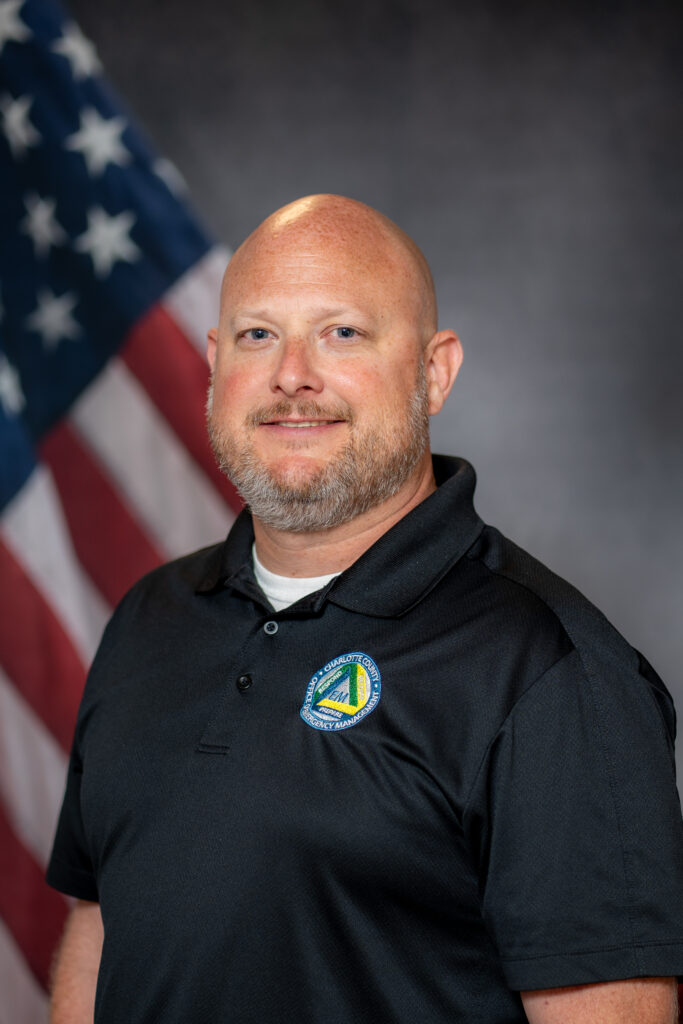
Patrick Fuller, Charlotte County Emergency Management director. -COURTESY PHOTO
In Lee County, for residents who need oxygen or other powered medical devices, Schultz said transport is provided to and from special-needs shelters. After the storm, crews returning people to their homes will ensure power is restored so equipment can function safely.
Fuller said seniors who depend on critical medical devices should also consider installing generators and learn how to operate them safely.
South Florida counties offer special-needs shelters, though many require residents to register in advance.
Morado said her agency reinforces that message with clients, especially during hurricane season. While the Area Agency on Aging receives about 85,000 calls annually, relatively few are about storm preparation. Between May and September, staff make a point to educate seniors about special-needs shelters and other resources.
Preparation and recovery
Morado said preparation often comes down to simple steps. She encourages seniors to pack a “to-go” bag in advance to avoid delays if an evacuation becomes necessary.
Her agency also distributes hurricane kits at community events and reminds seniors to pick up hand-cranked radios for weather updates.
But more often, she said, the calls come after the storm.
“They’ll call and ask where they can pick up meals. Or they’re stuck on the second floor,” Morado said. “We got a lot of calls like that after Ian.”
In response, the agency helps connect seniors with resources and hands out shelf-stable meals in the aftermath.
Local resources
Local governments and organizations have expanded efforts to support vulnerable residents.
Charlotte County recently partnered with Charlotte County Community Organizations Active in Disaster to create Safety Networks, a program designed to provide information, tools and resources to people who lack a traditional support system.
“Like all residents, our seniors should develop plans well in advance of a storm to address things like preparing their homes, mobility concerns, transportation dependence, medical needs and power outages,” Fuller said.
The county also provides a disaster guide — available at libraries and online (charlottecountyfl.gov/disasterguide) — that includes templates to help residents create household emergency plans.
Disaster guides and resources for other South Florida counties can be found online: