

No child should have to wonder where their next meal will come from. At No Kid Hungry Florida, that is our promise. It sounds simple because it is: Childhood hunger is a solvable problem.
Yet across Florida, families in every region still experience food insecurity, from rural communities to urban centers like Miami-Dade and Broward counties. In a new poll from No Kid Hungry Florida, 72% of families reported that their financial situation has suffered due to the cost of food.
Here is the complicated truth about where Florida stands: We are making progress, but we are not moving quickly enough to fill the gap.
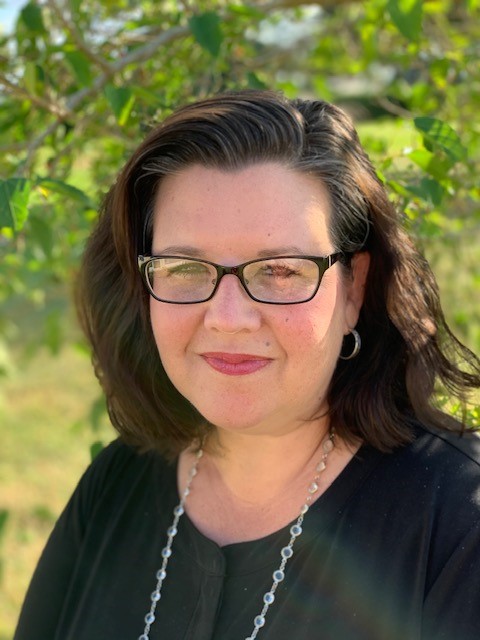 Sky Beard is the Florida director of No Kid Hungry. (courtesy, Sky Beard)
A recently released report from the Florida Chamber’s Florida Prosperity Initiative found 16.5% of Florida children live in poverty, with half concentrated in just over 15% (152) of Florida’s 983 zip codes. Since the initiative began, more than 200,000 children have moved out of poverty, but food insecurity remains a persistent challenge.
In order to meet the Florida Chamber Foundation’s Florida 2030 Blueprint timeline for growing Florida to a top 10 global economy, we must ensure our children are receiving their most basic needs, including nutritious food.
In South Florida, the data highlights both the scale of the challenge and where solutions can make the greatest impact. In Broward County, 63,472 children live in poverty, with half concentrated in just 11 out of 53 zip codes. In Miami-Dade County, that number rises to 98,667 children, with half living in 17 out of 76 zip codes. In fact, there are more children in poverty in Miami-Dade than 42 of Florida’s 67 counties combined.
When children have consistent access to nutritious meals, they are better prepared to learn, more likely to attend school regularly, and more equipped to succeed in the future workforce. A full belly plays a pivotal role in a child’s future.
Across both counties, too many children face barriers early, with fewer than half entering kindergarten ready to learn. Reading outcomes also reflect these challenges; 61% of Broward third graders and 56% in Miami-Dade are reading at grade level, leaving more than 17,000 third graders across both counties not reading proficiently. These challenges are compounded by broader economic pressures, with more than one-third classified as Asset Limited, Income Constrained, Employed (ALICE) households.
I am proud to serve on the statewide advisory board for the Florida Prosperity Initiative. Through this initiative, our approach is not top-down; it is granular, community-driven, and designed to meet families where they live.
The 3,200 children lifted out of poverty this year didn’t get there by accident. They are the result of deliberate, coordinated investment through local governments, nonprofits and businesses.
The progress made to reduce Florida’s poverty is a testament to what happens when we work together, but it is also a reminder that the work remains unfinished. Our job isn’t finished until every child has the food they need to grow up healthy and strong.
At No Kid Hungry Florida, we are focused on proven solutions to tackling food insecurity at the local, state and national level through funding to schools and local nonprofits, sharing of best practices and innovative ideas to connect more kids with healthy meals, and advocating for good policies that remove red tape and help kids get the nutrition they need.
Until the number of hungry children in Florida is zero, our promise remains unfulfilled. If we are serious about Florida’s future, we must treat the end of childhood hunger with the urgency and the nonpartisan commitment it deserves.
Those interested in being part of the solution are encouraged to attend the Florida Chamber Foundation’s 2026 Florida Prosperity & Economic Opportunity Solution Summit on June 9 in Tampa. The event will offer insights into the root causes of poverty and share actionable, data-driven strategies to help move Florida forward.
Addressing food insecurity is one of the most immediate and effective ways to achieve the Florida 2030 Blueprint goal of cutting childhood poverty in half and to support children and families on the path to prosperity.
By ensuring no kid goes hungry, we are investing in a stronger Florida.
Sky Beard is the Florida director of No Kid Hungry and a Florida Prosperity Initiative Advisory Board member.