
Welcome to the Catalyst’s Community Voices platform. We’ve curated community leaders and thinkers from all parts of our great city to speak on issues that affect us all. Visit our Community Voices page for more details.
The 86-acre Tropicana Field site just east of downtown St. Petersburg, also known as the Historic Gas Plant District, is one of the most promising infill redevelopment opportunities in the country.
As the City considers four development teams for the redevelopment, we need to get this right. There are so many ways the site could serve our residents and businesses – from honoring the site’s history as a historically black neighborhood to creating green spaces to building a wide mix of attainable housing.
This task isn’t easy or simple – and that’s why the City should keep control of the site and take a phased approach to development instead of handing the entire site over to one master-plan developer.
This concept has been promoted by members of the City Council, was put forward by former Mayor Rick Baker in a recent Catalyst column, and is at the core of the pitch from one of the four development groups, called Foundation Vision Partners.
For this approach to work, here are eight keys to success that I’m hearing from friends and colleagues in the local real estate community:
The City needs an experienced “owner’s representative” that understands master plans and complex real estate agreements. This could be an internal or external resource, and this person or firm would make sure the City follows best practices and is an equal partner in any agreements.
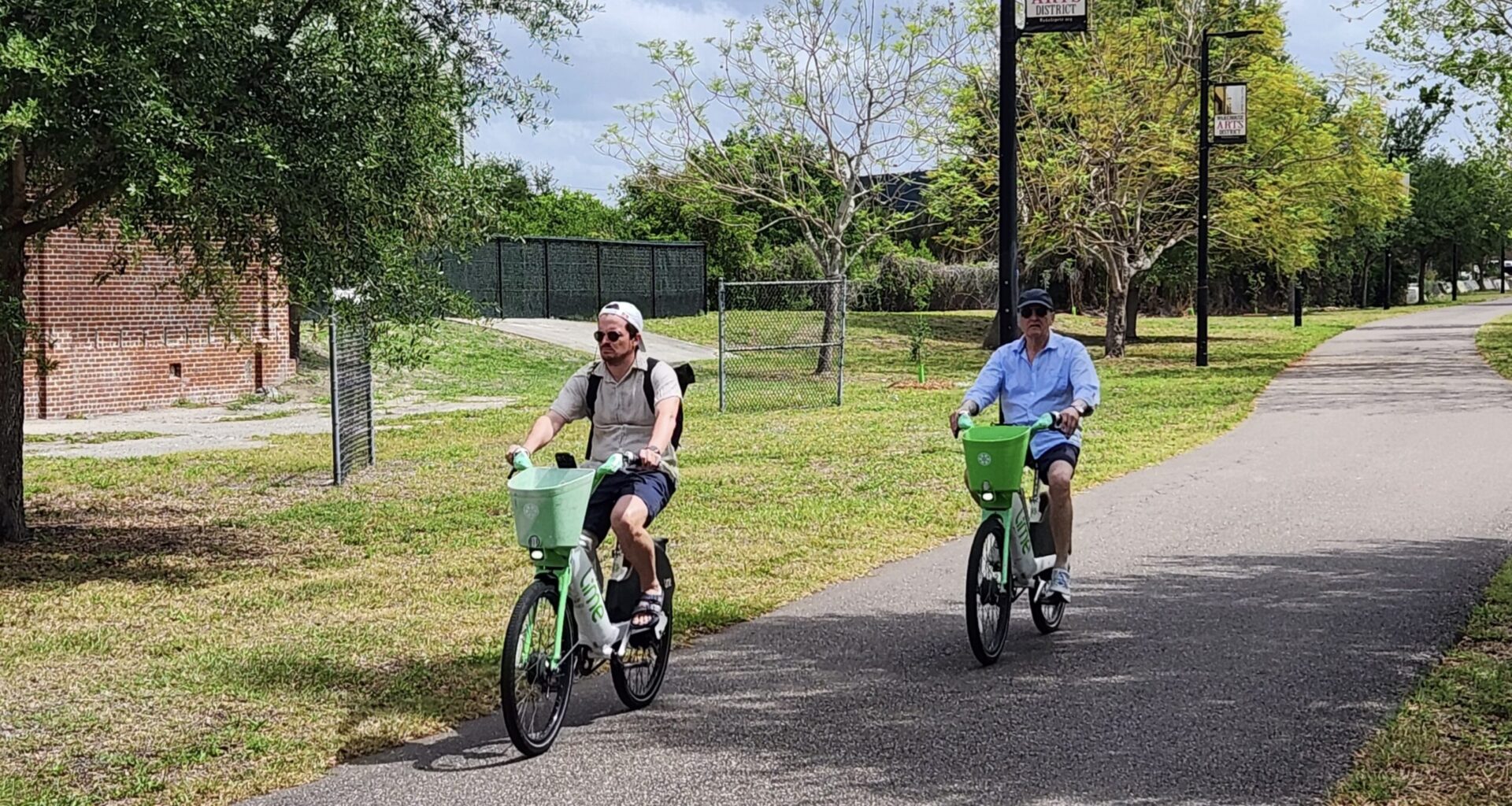
Community spaces are a key to getting people to visit, and the master plan should be built around that concept. Look at places like Armature Works and Sparkman Wharf in Tampa, where you’ll see people of all ages hanging out in onsite green spaces. Also, taking advantage of Booker Creek and the Pinellas Trail, which both run through the Tropicana Field site, just makes sense.
A new, engaging Carter T. Woodson Museum should be at the center of the plans. A larger Woodson Museum telling the story of St. Petersburg’s Black neighborhoods and highlighting a wide range of artists could be a draw for the entire region and deserves both governmental and private support.
The City administration needs to work closely with the City Council to determine the best shared path forward. Both groups want the best for the City, and the Mayor’s office should take the Council members’ thoughts into account as we move towards picking a strategy. The Council’s support is essential for success.
City leaders would be wise to think of these 86 acres as a new neighborhood, not simply as a development. Create a wide range of housing, where affordable units blend in with market-rate homes and townhouses. Encourage distinctive, local retail with incentives. Plant trees throughout the site. And make everything walkable.
Connect the site with the neighborhoods to the south. I-175 prevents walkable access from the south, and there’s been plenty of talk of either converting the interstate to a road with lower speed limits and crosswalks, or building pedestrian bridges over it. This was a highlight of the proposal from the Ark Ellison Horus team, and it’s time to create this connectivity.
Continue to engage the community, but know you won’t make everyone happy. If the site is planned to be welcoming and walkable, while addressing the need for more housing, it will be a win. The City should continue to listen to residents and businesses, but in the end, leaders need to take action. We need to take advantage of this once-in-a-generation opportunity.
The St. Petersburg Downtown Partnership has commissioned the Urban Land Institute to convene an Advisory Services Panel, which will review and make suggestions on land uses, development feasibility, governance considerations, historical preservation, and the items to be included in the development agreement for the site. The City should embrace this valuable resource.
Larry Silvestri is a partner with the Tampa Bay-based law firm Mechanik Nuccio Hearne & Silvestri, which provides a wide range of legal services relating to real estate, litigation, environmental, governmental relations, corporate matters, and residential communities.