
BOCA RATON, Fla. (CBS12) — A new study is shedding light on a troubling trend in Florida: the state’s seniors, especially older men, are continuing to bear the brunt of melanoma, the deadliest form of skin cancer.
Researchers from Florida Atlantic University say on Monday, the issue isn’t just about sunshine. It is also about who is getting diagnosed, who is not, and who ultimately survives.
Florida already ranks second in the nation for melanoma cases. Combined with a large, aging population and year-round sun exposure, the state faces a heightened risk for skin cancer. The latest findings provide a closer look at how that risk affects people 65 and older.
To dig deeper, FAU researchers analyzed statewide data from 2018 to 2021 for diagnoses and through 2023 for deaths, using the CDC’s WONDER database. They focused specifically on melanoma and other aggressive skin cancers, leaving out more common and less deadly types to better understand the most serious cases.
What they found was consistent and concerning.
Older men in Florida are dying from skin cancer at about twice the rate of women. That gap did not shrink or fluctuate much over the years. It remained steady throughout the study period.
Experts say there is no single reason why. Men are generally less likely to use sunscreen, wear protective clothing, or check their skin for unusual moles. Over time, those habits can add up, especially in a high-UV environment like Florida. There may also be biological differences in how men’s bodies respond to cancer.
“It’s not just about sun exposure,” said Dr. Lea Sacca, the study’s senior author. “There are behavioral patterns, biological factors, and gaps in early detection that all play a role, especially among older men.”
The study also found clear disparities across racial and ethnic groups.
See also: Police say Hulk Hogan died of natural causes after exhaustive death investigation
Non-Hispanic populations had significantly higher rates of both diagnoses and deaths compared to Hispanic populations, with white residents seeing the highest burden overall.
But researchers say those numbers do not tell the whole story.
Access to dermatologists, awareness of skin cancer risks, and how early a cancer is caught can vary widely across communities. In some cases, cancers may be diagnosed later, when they are harder to treat, or missed altogether.
Another notable finding is a dip in reported cases in 2020, followed by an increase in 2021. Researchers say that likely reflects disruptions during the COVID-19 pandemic that delayed screenings and diagnoses, rather than an actual drop in cases.
All of it points to a bigger issue: missed opportunities.
Researchers say many of these cancers could be caught earlier or even prevented with better awareness, routine skin checks, and stronger public health messaging tailored to those most at risk.
With summer heating up, that urgency is only growing.
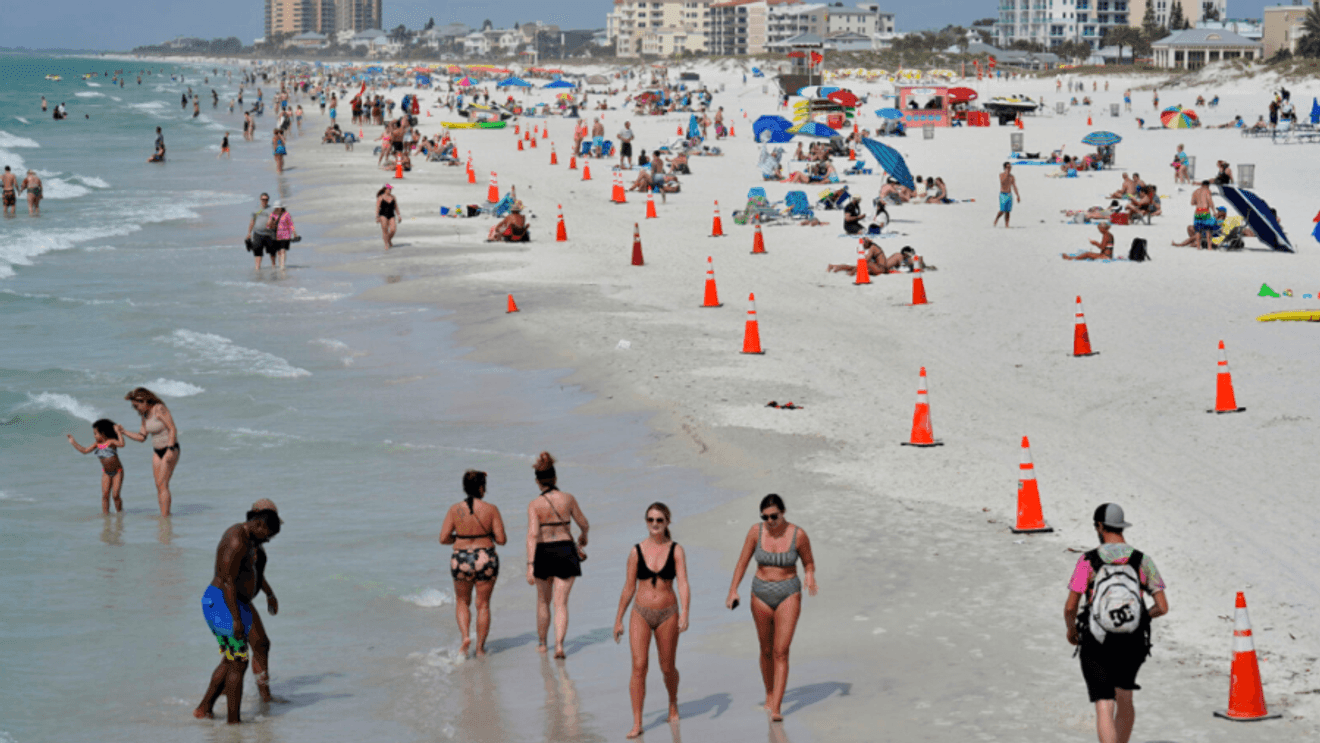
Between high temperatures, strong UV rays, and crowded beaches, Florida’s environment increases exposure. According to the study, for seniors, especially older men, simple steps like wearing sunscreen, seeking shade, and checking skin regularly can make a life-saving difference.
CBS12 News wants to know, “How often do you use sun protection like sunscreen or protective clothing?” VOTE BELOW.
The takeaway is straightforward: melanoma may be common in Florida, but its deadliest impacts are not shared equally, and closing that gap could save lives.