
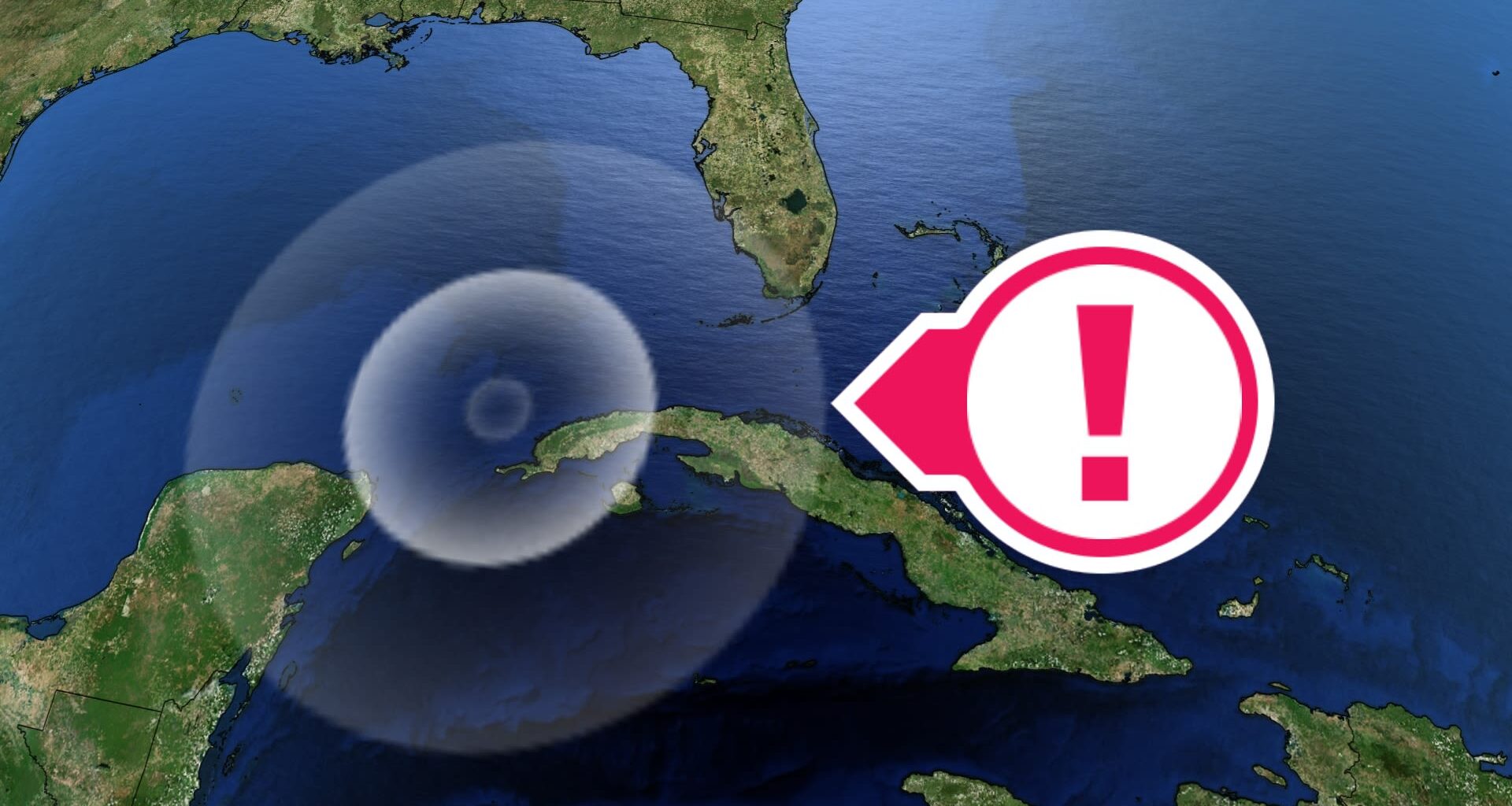
Dobbs’ comments came in reply to an X post from the NWS office in Miami.
“We’ve received several recent reports of shaking across Southwestern Florida within the past 30 minutes,” the Miami office said.
A global seismic observatory station (code FSUO) located 143 feet below ground near the southeast entrance of the Department of Earth, Ocean and Atmospheric Science (EOAS) building on the Tallahassee campus − which monitors earthquakes around the globe − was triggered by Monday’s quake.
While the borehole seismometer was able to confirm the 6.1 magnitude earthquake, the shaking was felt too lightly in Tallahassee for it to pick up any measurements of how strong the ground movement was in the local area.
At the same time, the instrument is powerful enough to pick up movements as low as a magnitude 5 from earthquakes all over the world as well as much smaller ones at closer ranges, according to the university. A chart of the FSU seismometer also shows data collected from a magnitude 7.8 earthquake that took place in Mindanao, Philippines on June 7, along with two other ones that occurred in Chile and the Leeward Islands in May.
“It is relatively rare that there is an earthquake in that region, especially of this magnitude,” FSU geochemistry professor Vincent Salters said in a June 8 statement sent to the Tallahassee Democrat, noting that the earthquake’s location is “peculiar” as quake activity generally happens to the south of Cuba.