
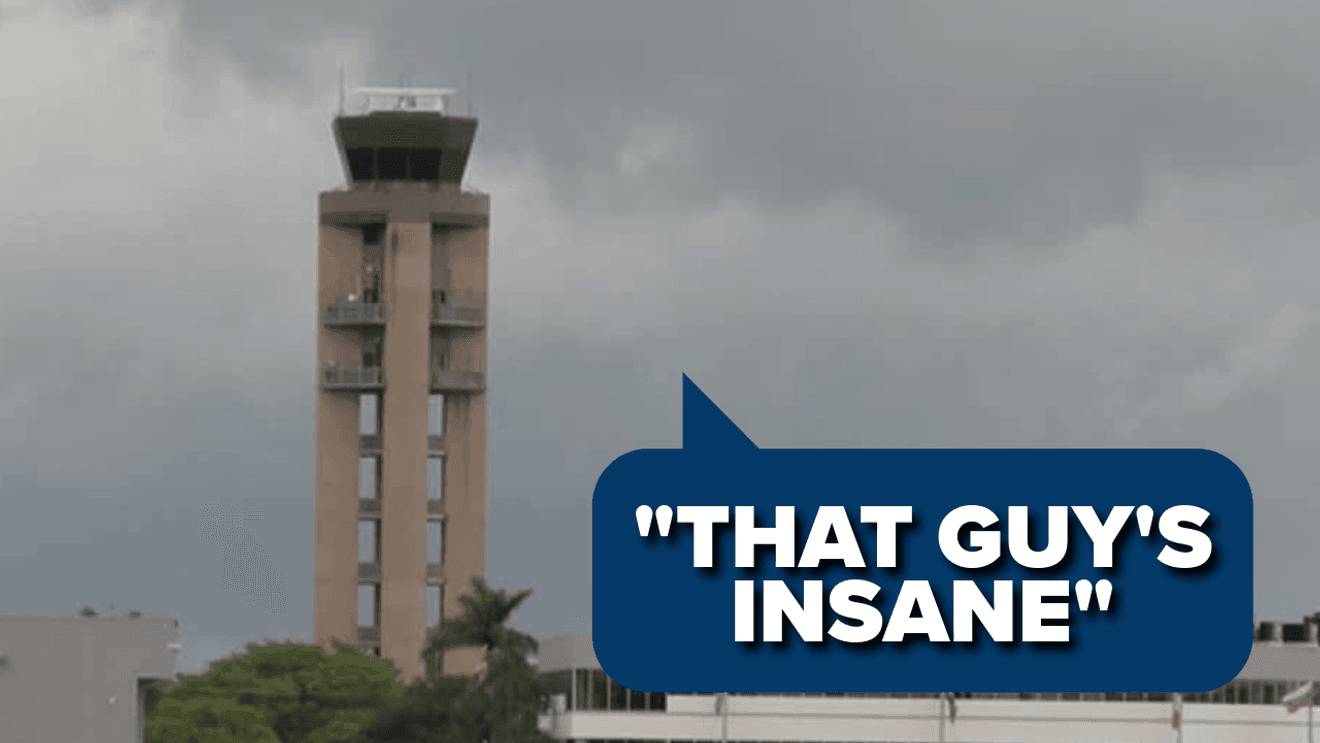
FORT LAUDERDALE, Fla. (CBS12) — A routine approach into Fort Lauderdale-Hollywood International Airport took a sudden and tense turn Monday evening when a JetBlue passenger jet came too close to another aircraft, triggering a federal investigation.
The Federal Aviation Administration confirmed it is reviewing the incident, which happened just after 6 p.m. on June 1, as JetBlue Flight 1256 approached South Florida after departing from Guayaquil, Ecuador.
According to our news partners at the South Florida Sun Sentinel, it first, it sounded like a standard advisory. Air traffic controllers warned the JetBlue crew about nearby “VFR traffic,” meaning a plane flying under Visual Flight Rules and navigating primarily by sight rather than instruments.
Within minutes, it became clear that the situation was more serious.
Radio transmissions show the JetBlue pilots noticed the other aircraft was not just nearby, but moving in a concerning direction. “They’re turning toward us,” one of the pilots said, as controllers tracked the aircraft closing in.
The warning quickly escalated inside the cockpit.
“We have a TCAS alert, we’re moving,” the pilot said soon after. The alert came from the plane’s Traffic Alert and Collision Avoidance System, a built-in safety feature designed to detect nearby aircraft and guide pilots away from danger.
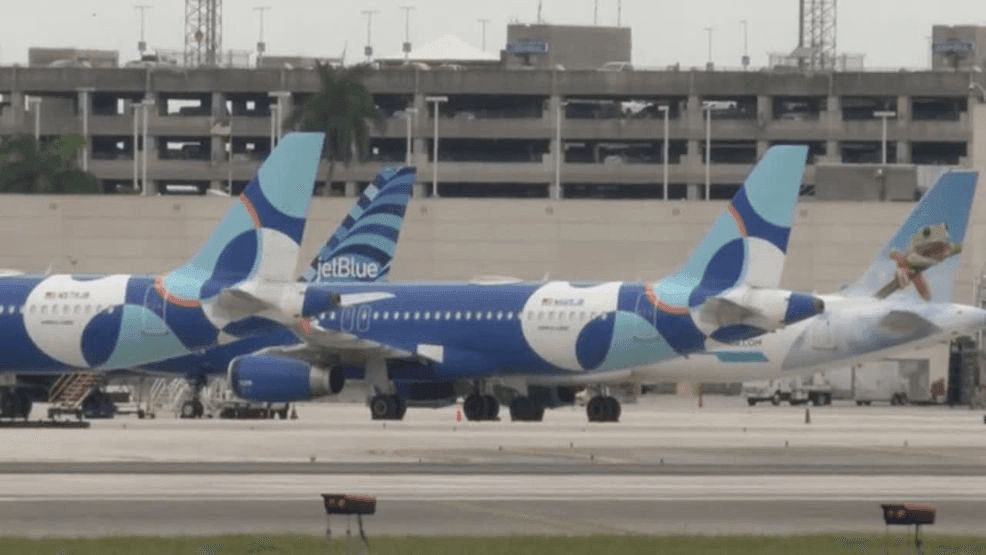
The Federal Aviation Administration confirmed it is reviewing the incident, which happened just after 6 p.m. on June 1, as JetBlue Flight 1256 approached South Florida after departing from Guayaquil, Ecuador. (CNN Newsource) – fef8a415-8a97-4eac-a193-12ce94ee738e.png
The JetBlue crew reacted immediately, climbing and adjusting their path to create distance. Data later showed how close the encounter was. The two aircraft came within about 500 feet vertically and about 1.6 miles horizontally of each other.
Even with that proximity, the FAA said the minimum required separation between the planes was maintained.
Still, the tension was obvious on the radio.
Moments after the aircraft moved apart, an air traffic controller responded bluntly.
That guy’s insane.”
The controller said, referring to the pilot of the smaller aircraft. The same plane was later nicknamed “Mad Max” as controllers warned others in the area about its behavior.
Investigators later identified the second aircraft as a Beechcraft 76, a smaller plane commonly used for flight training. It was reportedly registered to a flight school. According to the FAA, the pilot was not in communication with air traffic control at the time, which made the situation more difficult to manage.
The near miss happened in airspace west of Fort Lauderdale, an area known for heavy flight training activity. Under visual flight conditions, pilots in smaller aircraft are not always required to stay in contact with controllers, but they are responsible for spotting and avoiding other planes.
See also: Local rescue secures release of 135 additional beagles from Wisconsin research facility
That system works best when pilots behave predictably. In this case, controllers indicated the aircraft’s movements were anything but.
Passengers on board the JetBlue flight were largely unaware of what was unfolding. The aircraft landed safely at Fort Lauderdale-Hollywood International Airport without further incident. [wsvn.com]
Now, federal investigators are working to understand exactly what happened. The FAA has not released the identity of the smaller aircraft’s pilot or said whether any violations occurred, but the investigation remains ongoing.
The incident comes as close calls in U.S. airspace continue to draw attention. While modern safety systems and pilot training prevent most situations from turning catastrophic, near misses like this happen more often than many people realize.
In this case, quick action in the cockpit and onboard warning systems helped avoid disaster. The outcome was safe, but the moments leading up to it show how quickly routine flights can turn into high-stakes situations.