
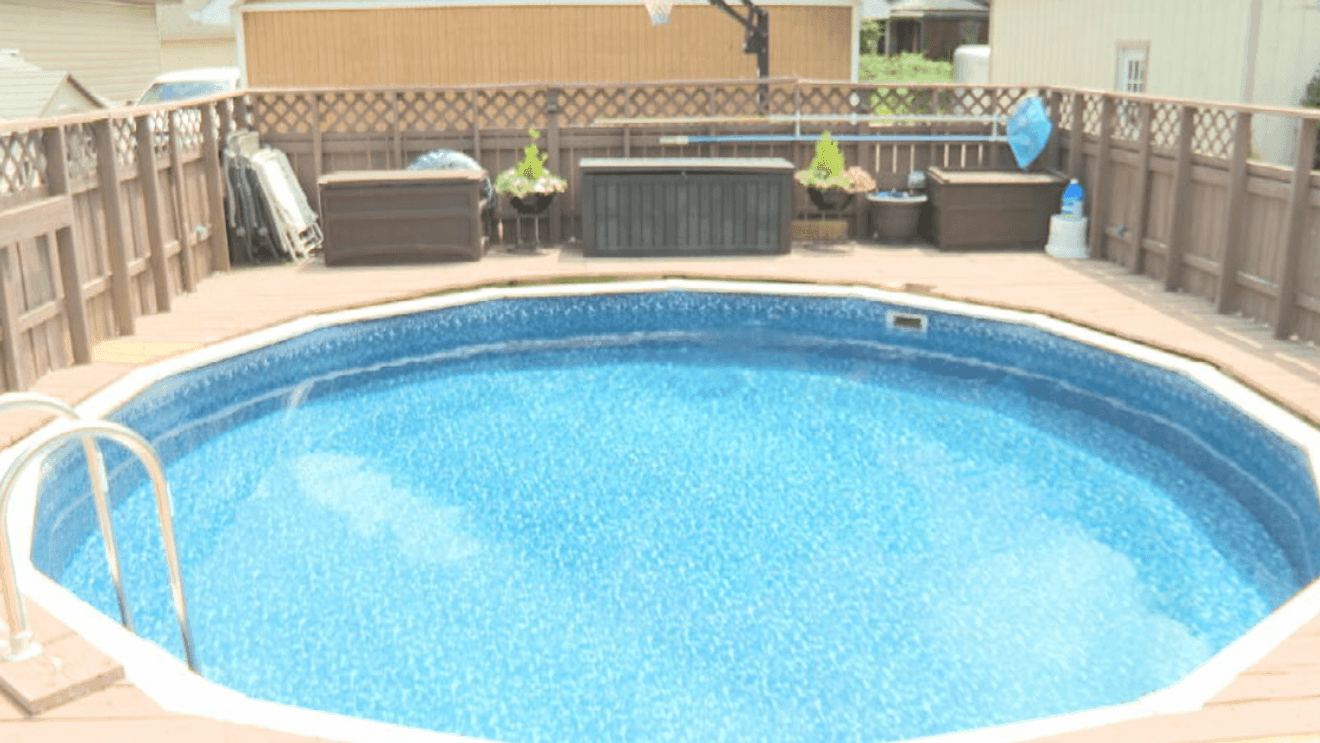
PENSACOLA, Fla. — Police say the pool where the two children were found is up to code and met Florida’s safety requirements.
Safety experts say tragedies like this serve as an important reminder for homeowners to review protections around their own pools.
Florida law requires residential pools to have at least one approved safety feature — such as a barrier, self-closing gate, exit alarm, or safety cover.
Local inspector Kevin Foster says those standards create an important foundation for pool safety.
“All these things are super important, but the biggest thing is making sure that you have fences that lock by themselves and alarms on windows and doors,” Foster said.
Safety professionals recommend homeowners go beyond state requirements by adding multiple layers of protection.
“Redundancies in these engineering controls should back each other up because one day that gate might not slam shut like it’s supposed to or that screen door, oftentimes those returns don’t work,” Foster said.
For Foster, every pool inspection is personal.
“As a parent, I can’t think of anything more heart-wrenching in this world than losing a child,” Foster said.
As the father of a 5 year old, he says he pays close attention to every feature that could help protect a child.
“Pool inspections are, at least from my perspective, 100% about safety,” Foster said. “We’ve got the engineering things that go into effect. Do they have anti-attraction drains installed? Or is the electrical system bonded properly?”
Pool safety companies say combining barriers, self-closing gates, and alarms helps ensure the pool is as secure as possible.
“Sometimes you don’t get an alert at all, and people have this false sense of security that they have a pool alarm, but once you have a non-climbable safety barrier around your pool, you’ve done everything you can do right,” said Joel Cohen with All Safe Pool Security Systems.
Experts say homeowners should also periodically check gates, alarms, latches, and other safety devices to make sure they are functioning as intended.
Florida’s pool safety requirements are part of the state’s residential swimming pool safety act, which was created to help reduce accidental drownings involving young children.