
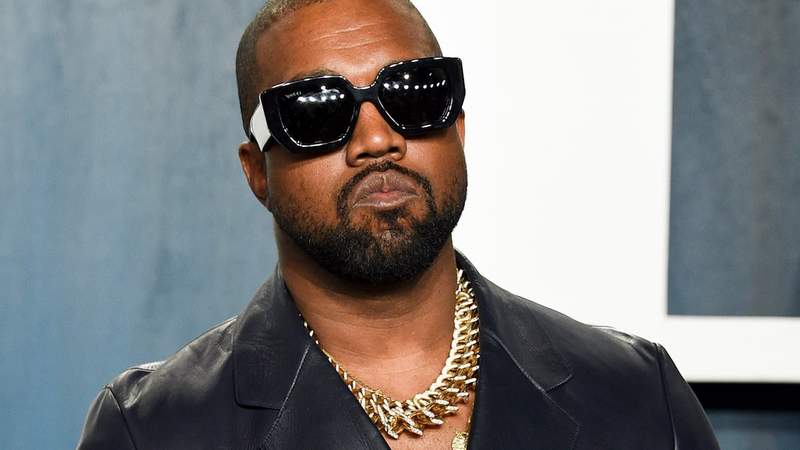
The question of whether Ye, the artist formerly known as Kanye West, should perform at a major Tampa venue is not a question of artistic merit. It is a question of standards, responsibility and the role our public institutions play in shaping civic life.

In recent years, Ye has repeatedly used his platform to promote antisemitic rhetoric and harmful stereotypes about Jewish people. Those statements have been widely reported and widely condemned. Words from someone with such reach do not disappear harmlessly. They influence attitudes, embolden prejudice and help create an environment in which hate can take root.
In fact, Ye has faced real consequences overseas. The United Kingdom denied him entry, a move that led to the cancellation of the Wireless Festival. France, Poland, Spain and Italy have cancelled concerts after concerns of public safety based on his previous rhetoric. These decisions reflect that communities and institutions are not obligated to provide prestige, access or profit to someone whose conduct has repeatedly challenged the ideas of decency and common morality.
The Jewish community has legitimate reasons to be alarmed. Antisemitism is not an abstract concern. Jewish Americans continue to face threats, harassment, vandalism and violence. Across the United States, synagogues have increased security, and Jewish organizations have warned about the growing normalization of anti-Jewish conspiracy theories. When a public figure with millions of followers promotes hateful ideas or praises one of history’s most notorious dictators, the consequences extend far beyond entertainment.
Equally troubling is the reported sale of Nazi-themed merchandise through channels associated with Ye’s brand. Nazi symbols are not merely provocative images. They represent a regime responsible for the murder of six million Jews and millions of others during World War II. For Holocaust survivors, their families and communities committed to preserving historical memory, the commercialization of such imagery is deeply offensive.
Supporters of hosting a Ye concert may argue that audiences can separate the artist from his views but the separation is increasingly difficult to sustain. Ye’s public statements and creative output have become intertwined with his ideological messaging. Songs that reference or praise Hitler, regardless of intent, cannot be divorced from the broader pattern of repeated antisemitic remarks.
Raising these concerns is not an attempt to silence anyone. Ye remains free to express his views, and the public remains free to respond. But free speech does not guarantee access to every stage, nor does it require communities to elevate voices that conflict with their core values.
Tampa’s venues, promoters and public institutions are not passive actors. They make deliberate choices about whom to showcase and support. Those choices carry meaning. Providing a prominent platform to an individual whose conduct has been marked by repeated expressions of antisemitism is not neutral.
At a time when antisemitism and extremism are rising, Tampa has an opportunity to lead with clarity and principle. By choosing not to provide this platform, the city would affirm that its commitment to inclusion is real, not rhetorical.
In the end, this is not simply about one show or one performer but more about what we choose to endorse, and what we are willing to stand for — or against — as a community.
Craig Sher is the founder and chairman of Backstreets Capital in St. Petersburg. He is involved with the Anti-Defamation League in Florida and has worked with a variety of non-profit organizations for decades.