
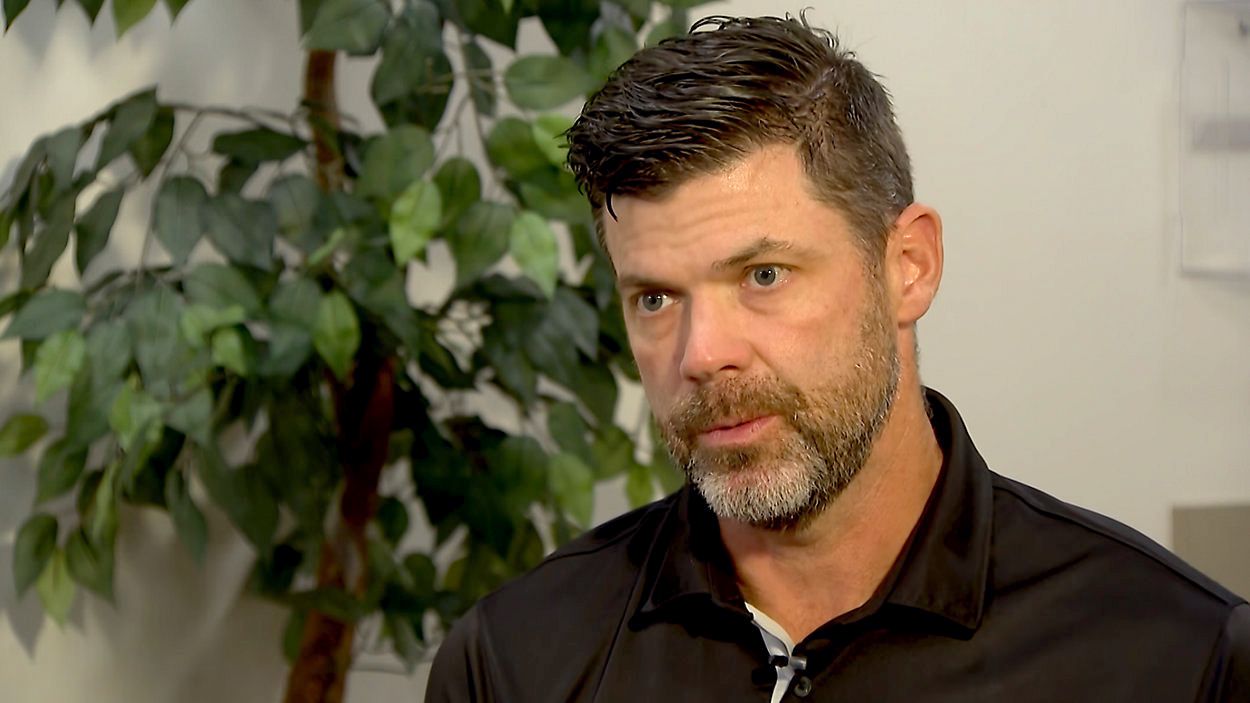
ORLANDO, Fla. — Dr. Chadwick Smith, the trauma surgeon on call at Orlando Regional Medical Center on the night of the Pulse nightclub shooting, said training was key in the hospital’s response as dozens of patients arrived in the emergency room in a matter of minutes.
“The first wave of patients was 36 patients in 36 minutes — about a patient a minute for about a half hour,” Smith said.
As the on-call trauma surgeon, Smith was responsible for coordinating emergency care for patients arriving at the hospital when the Pulse shooting happened. He said the scale of the response was unlike anything he had experienced.
“You rely on your training and do what you gotta do,” Smith said.
Smith said that preparation was essential during the response.
“There’s a reason we train for all of these things to make us ready — you’re not going to be ready if you haven’t practiced for thousands and thousands and thousands of hours doing what we do,” he said.
Smith said training that can feel routine took on added importance after Pulse.
“When we do all this training and you haven’t gone through something like this, you think, ‘Oh gosh, we’re going through another training session,’” Smith said. “But after going through training and having gone through that event, and then going through the training again — it’s not exactly the same, but it does mimic the feeling of the level of acuity with that many patients coming through at one time.”
Smith said the shooting prompted changes at ORMC, including the installation of metal detectors at all main entrances. And Orlando Health officials said there are more security staff throughout the hospital campus, and Pulse reiterated the importance of constantly maintaining strong relationships with local law enforcement agencies.
Orlando Health’s emergency department also received a major upgrade last year. Smith said the improvements were designed using feedback from doctors and nurses who responded to Pulse.
“It changed our organization,” Smith said. “We have a more robust training system than we did — it’s just that much more important.”
Smith said every patient who came through ORMC’s emergency room that night survived. He said he still hears updates about some of the survivors.
“Every now and then I hear something about them and that they’re doing well, and that’s a good feeling to know they’re doing well,” Smith said.
In the 10 years since the Pulse shooting, Smith said he and others with Orlando Health have given hundreds of talks to healthcare, disaster and law enforcement organizations across the country and around the world. He said their main message is to be prepared for what could potentially happen in their cities.