
As we enter the second lap of 2026, cocktails (unlike literally everything else) are somehow getting cheaper, while sandwiches go in the complete opposite direction. Also, fro-yo has mutated into something very weird in Brickell—of course it’s Brickell—and we think we know what the next big cut of steak is. Let’s dive into it all.
THE TRENDS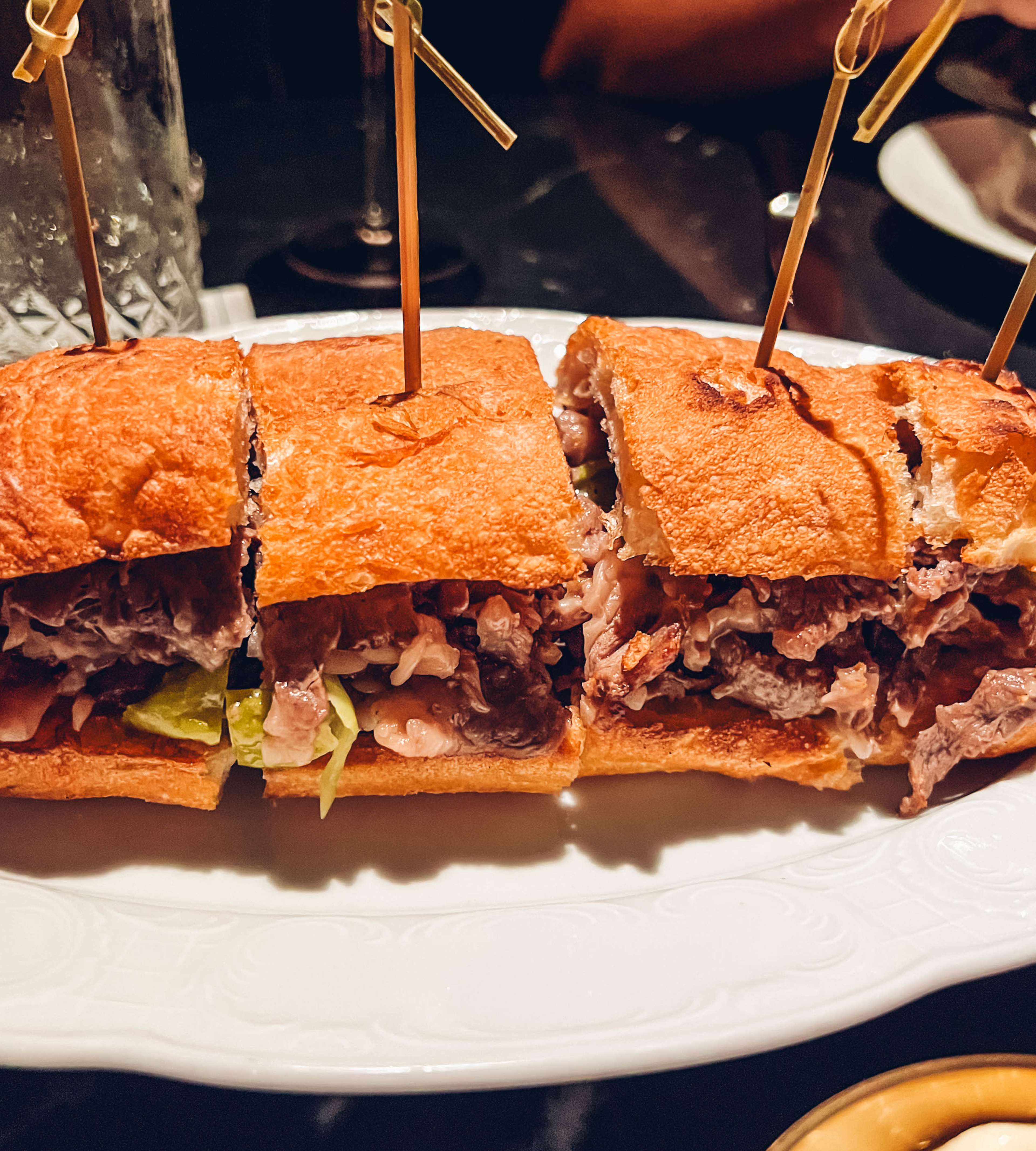
photo credit: Ryan Pfeffer
 Sandwiches Cost $100 Now
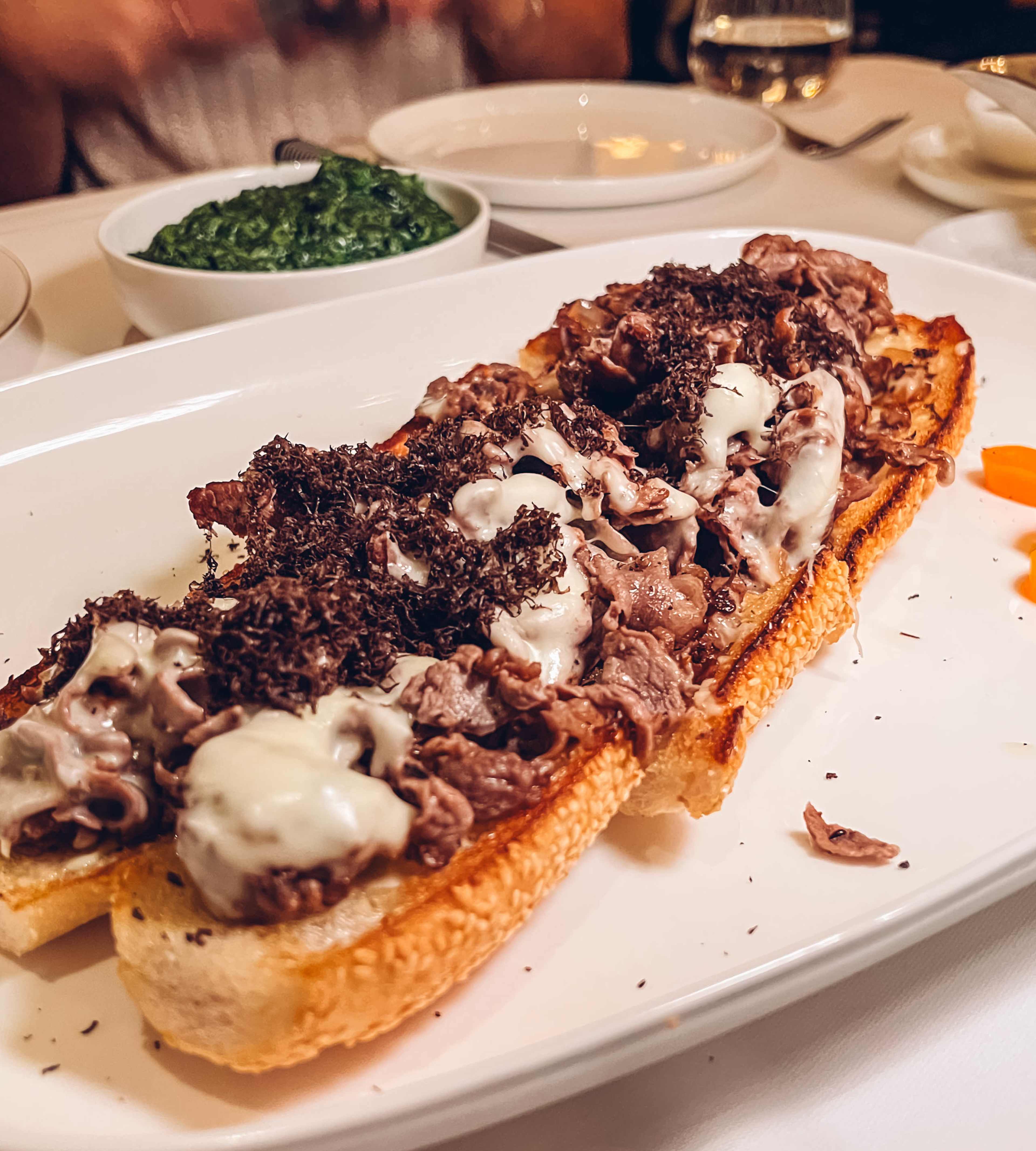
Who deserves to feel shame in this arrangement: the person who decides to charge $100 for a sandwich, or the person who decides to order it? Consider it a philosophical dilemma of the modern restaurant era. This year alone, we’ve come across a $100 cheesesteak at Slim’s (fine), a $100 french dip at The Joyce (deeply unnecessary), and, like the rest of you, been forced against our will to consume content about the Chèvre $100 hot dog that they roll out for rich people sporting events. Are any of them worth $100? Of course not. It’s silly and rage-inducing—so, in other words, absolutely primed for social media engagement. Complain all you want about Frankie & Wally’s $20-ish sandwiches, but at least those are worth every penny.
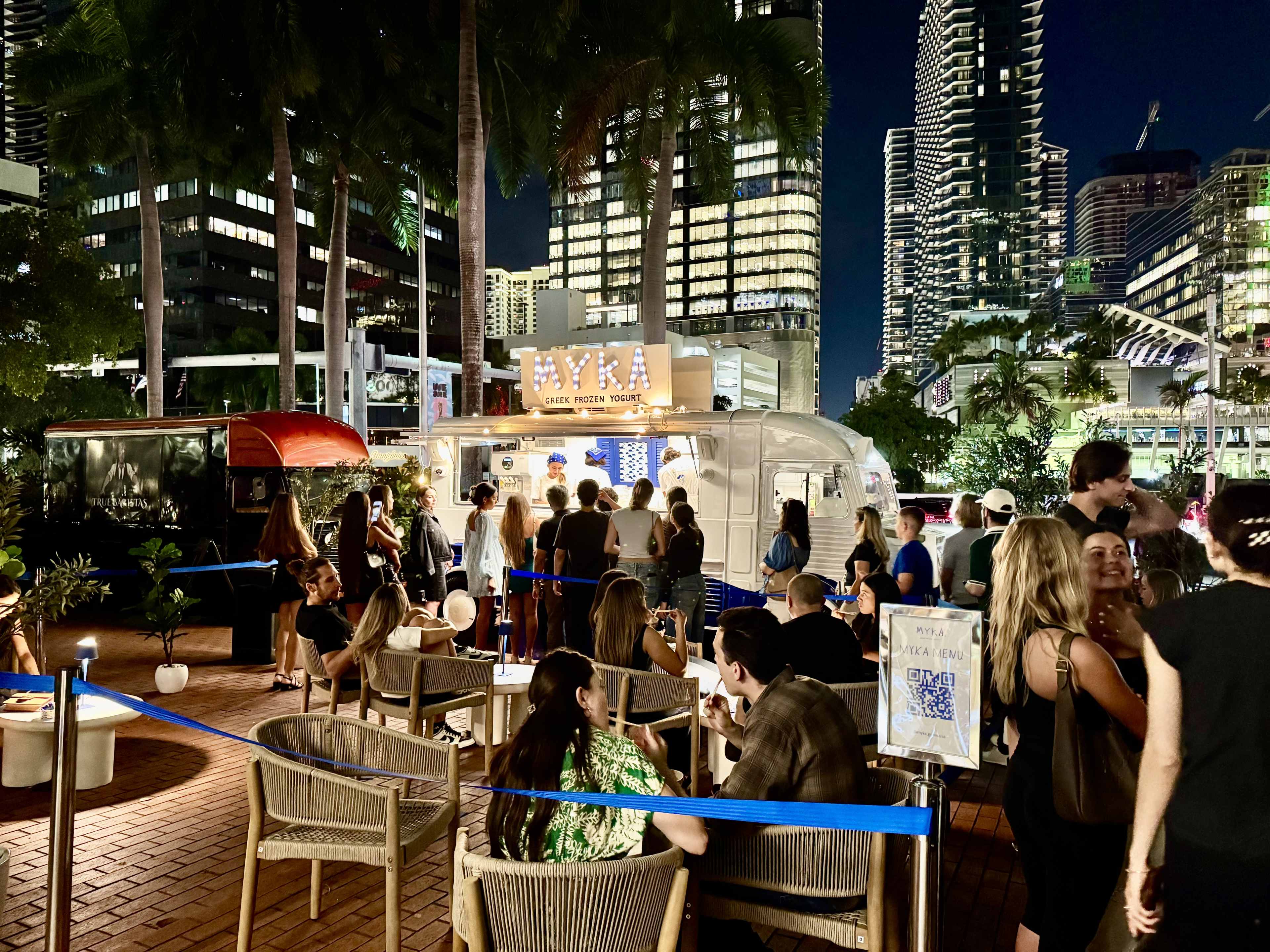
photo credit: Mariana Trabanino
video credit: Mariana Trabanino
video credit: Mariana Trabanino
Brickell Has Club-ified Fro-yo
Remember when going on a fro-yo run used to be wholesome and take place around 7pm (9pm at the latest)? Well, those days are gone. At least in Brickell, where places like Myka are treating their tart swirls like bottle service. We recently went on an innocent dessert run to their Brickell truck (open till midnight) and discovered a scene cultural anthropologists will spend years dissecting: deep house music, a crowd in kitten heels, and tables harder to secure than the ones at La Victoria. Van Leeuwen’s Brickell location (the only one serving frozen yogurt) is also open until midnight. And while Nude isn’t open late (yet), you have to walk past a bouncer and shout over a techno remix of “Stayin’ Alive” to order their frozen yogurt.
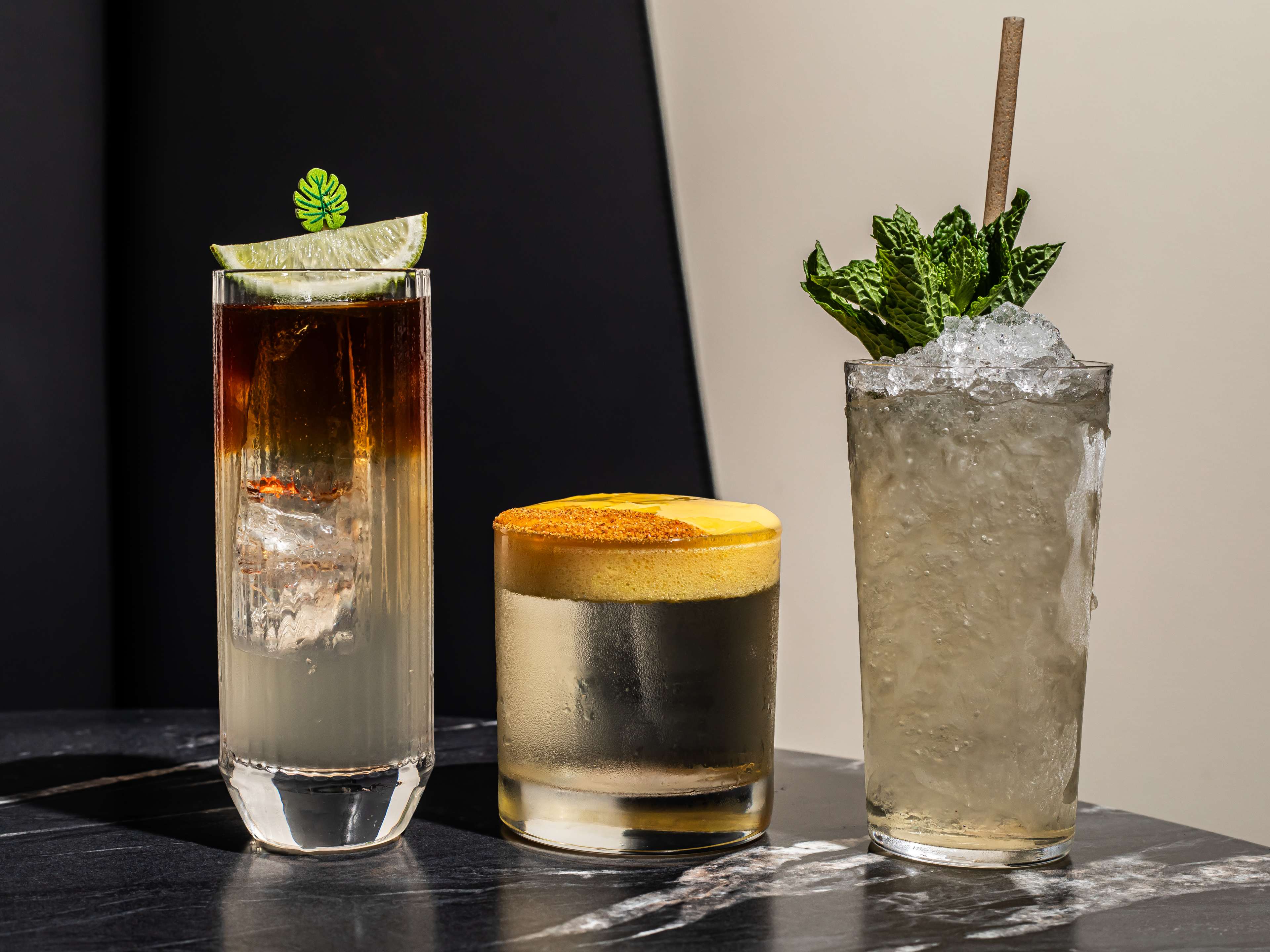
photo credit: CLEVELAND JENNINGS / @EATTHECANVASLLC
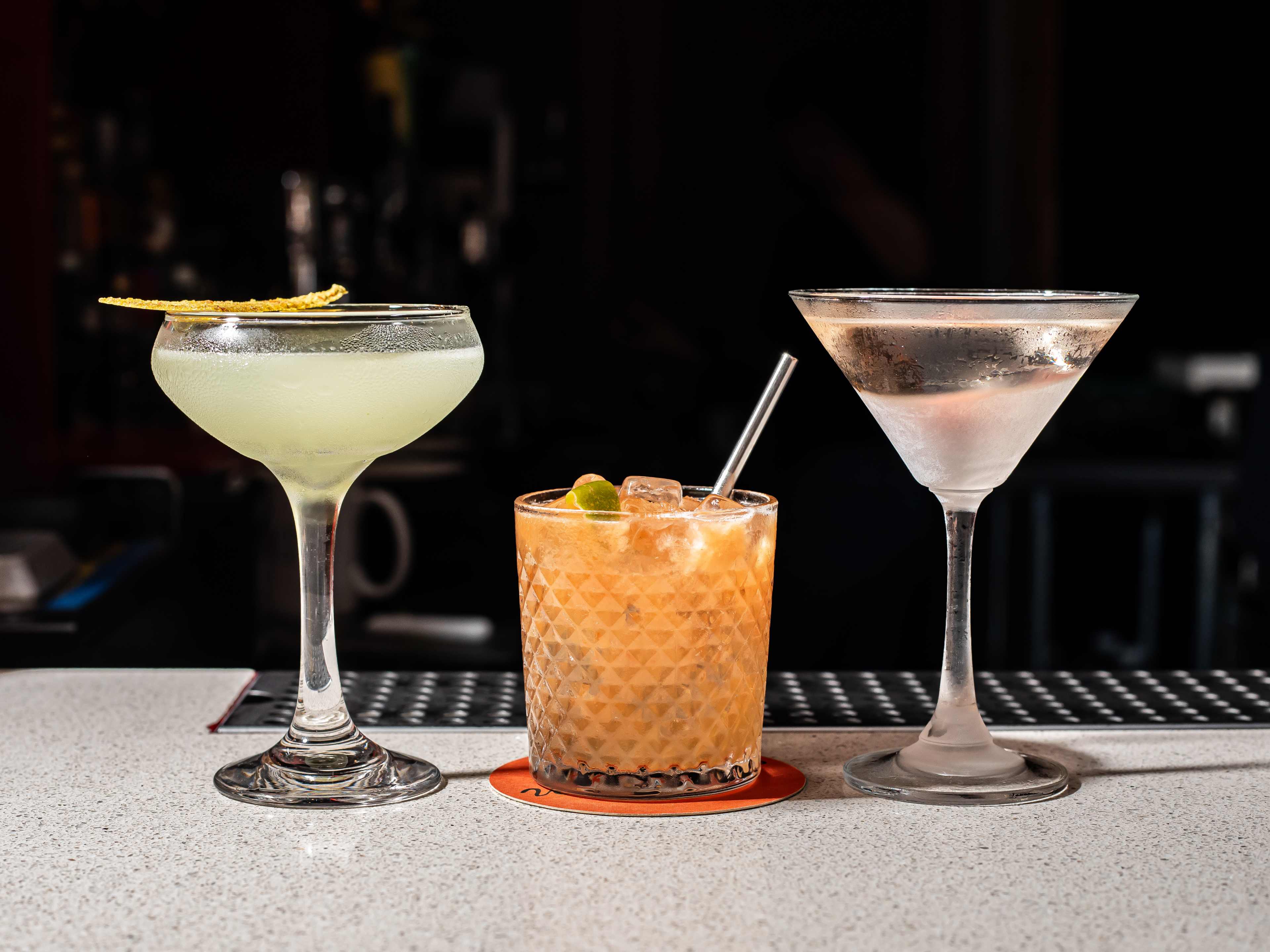
photo credit: Cleveland Jennings / @eatthecanvasllc
video credit: Virginia Otazo
The Return Of The $16 Cocktail
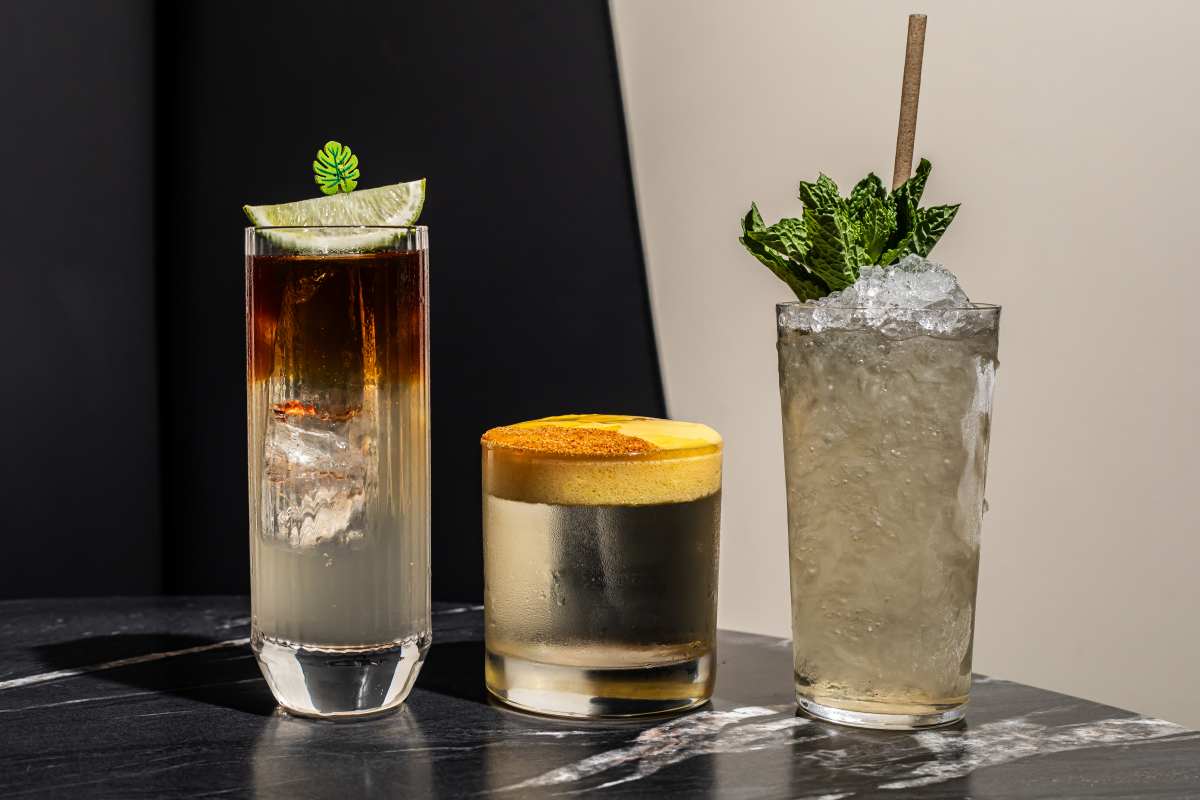
For a while there, it looked like $20 cocktails were the norm. But we’ve noticed more and more spots lowering prices by using affordable spirits without cutting corners on flavor or technique. Casa MX’s $14 margarita gets the job done, and their La Pasion, a tequila and passionfruit cocktail with an impressive foam topper, is only $16. The entire Ariete family tree (including Mae’s Room, Chug’s, Cafe Laurel, The Gibson Room, and Drinking Pig) serves cocktails in the $14 to $16 range. Walrus Rodeo, which just got its liquor license, is charging $17 to $18 for its cheffy cocktails, which, anywhere else, would probably cost $23. And Lovecat, a new cocktail bar inside an Allapattah food hall, has great drinks between $15 and $16. While everything else seems to be getting more expensive, we’re happy to see that the cost of a buzz is going down.
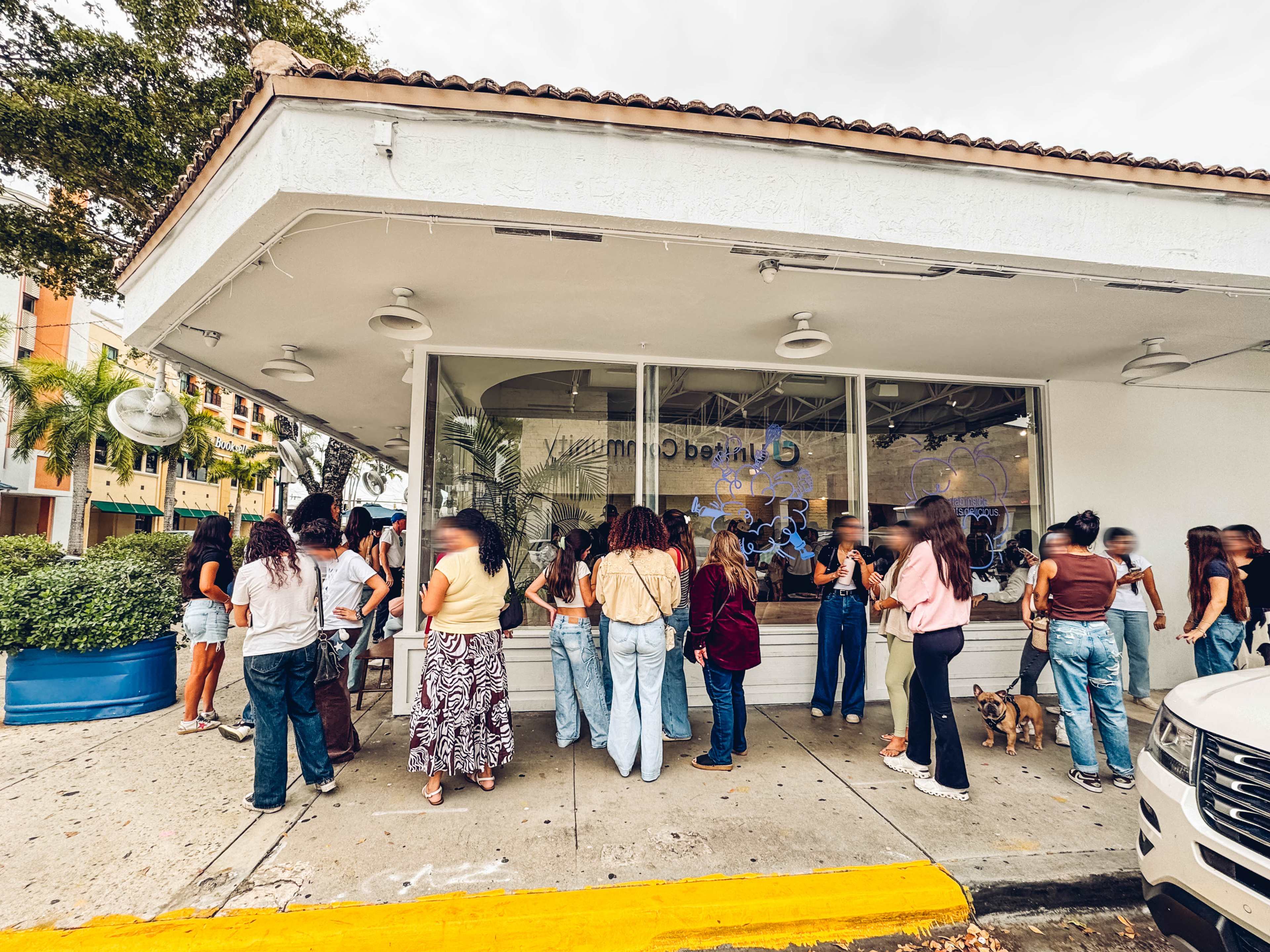
photo credit: Mariana Trabanino
video credit: Julia Malavé
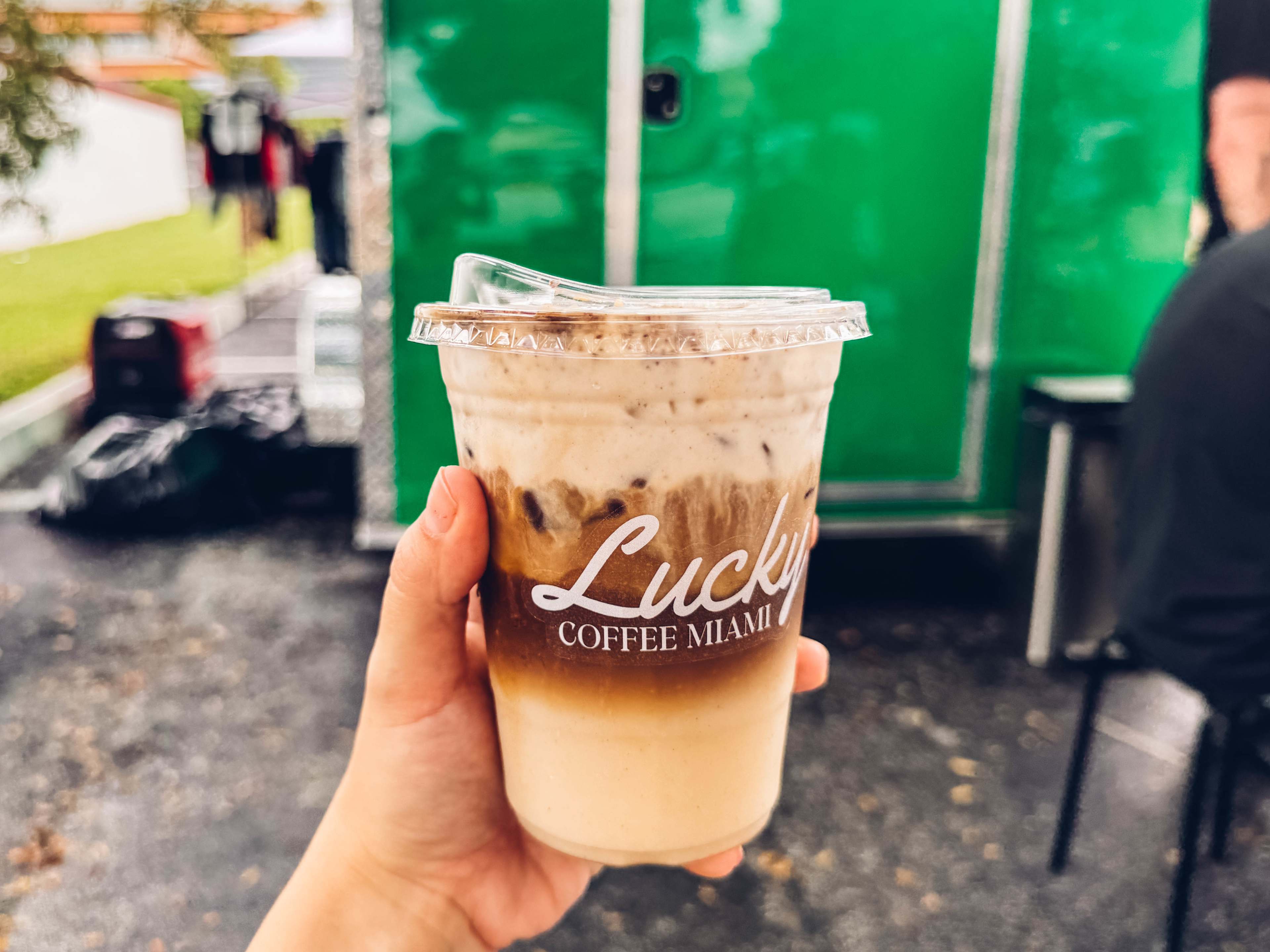
photo credit: Mariana Trabanino
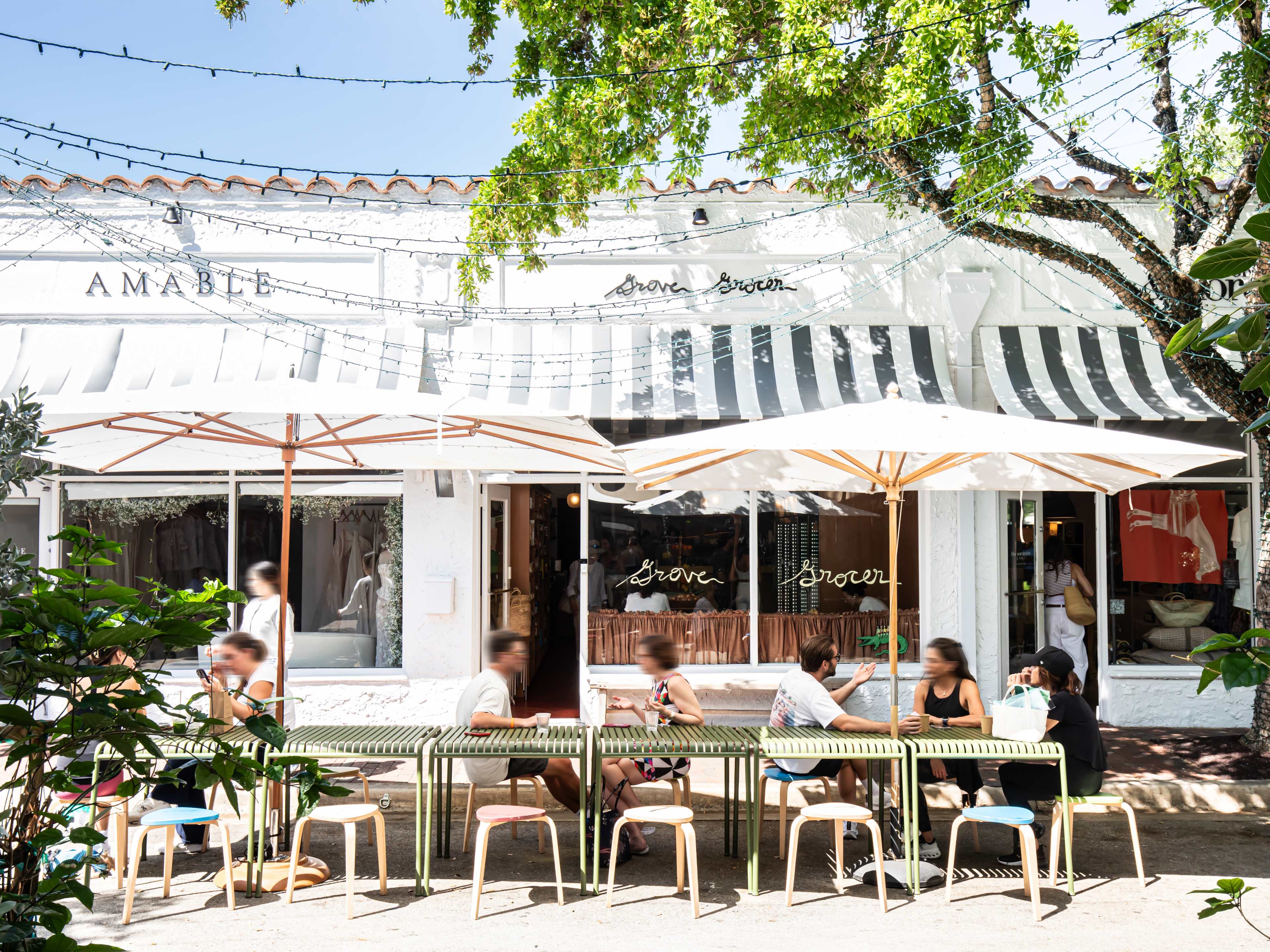
photo credit: Cleveland Jennings / @eatthecanvasllc
The Sibling Restaurant
Instead of pulling each other’s hair or fighting over who’s mom’s favorite, Miami siblings are opening restaurants. And the people are loving it. The Honey Veil sisters opened a brick and mortar in South Miami after developing a cult following on UM’s campus. The brains behind Lucky Coffee’s maximalist lattes and matcha also share DNA. The four people riding the gator on Grove Grocer’s logo are siblings, too. Sisters are dominating the scene, but a trio of brothers have entered the chat with Bodega Ortega. Whereas the sisters usually have a slick, aesthetic social media presence and a penchant for cold foam, the brothers are making sandwiches, selling beer, and took to Instagram on opening week to confess that they’re very much still learning how to do this (we were there on day one, and can confirm). But honestly, that just makes us root for them harder.
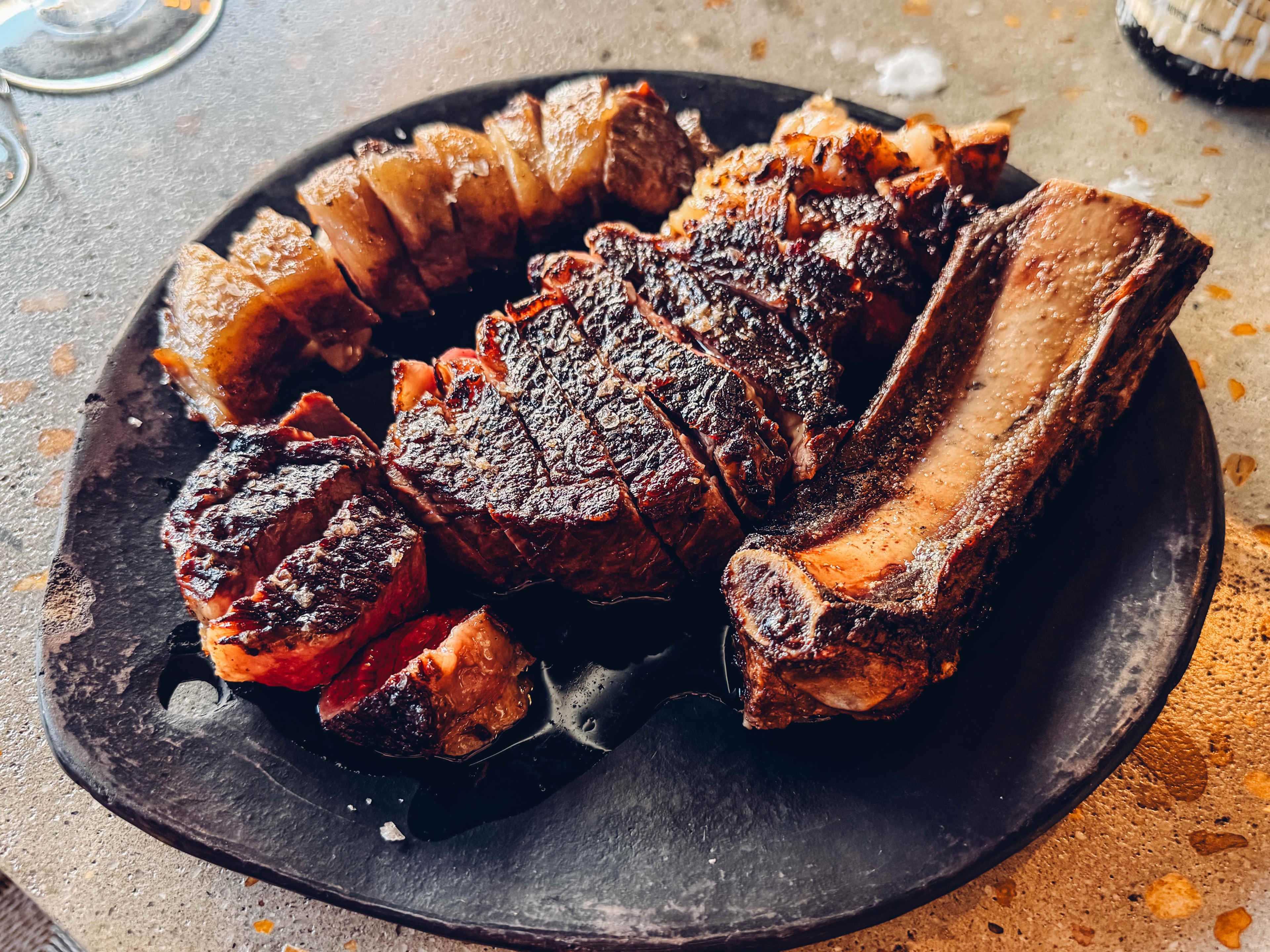
photo credit: Virginia Otazo
Vaca Vieja Is The Next Big Cut Of Steak
Vaca vieja translates to old cow, but that’s no insult. Most Americans are used to eating tender, mild meat from teenage bovines. The cows used for vaca vieja, though, are several years older. The flavor is much more intense and beefier, but the meat can be tough when cooked by the wrong hands. We found two places serving it in Miami: Ezio’s (they have bone-in strips and ribeyes) and Palma, which has a 32-ounce vaca vieja txuleton that’s covered in the steak’s own rendered fat. If you’re a steak-lover and haven’t tried one yet, you need to change that. And if you see any more old cows in Miami, let us know (the bovine kind, please).
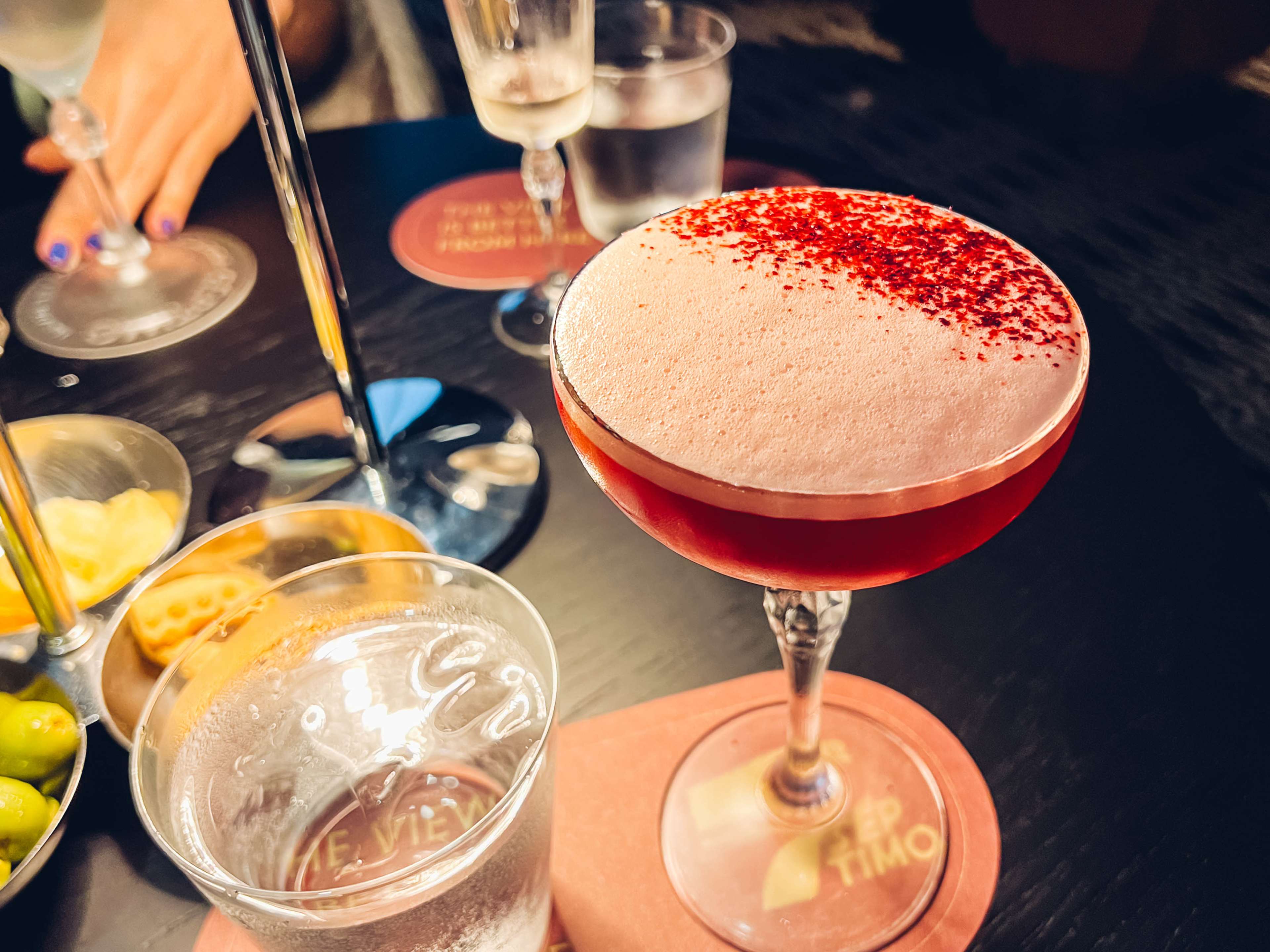
photo credit: Ryan Pfeffer
Miami’s Cocktail Scene Is Leveling Up
Bars never open at the same pace of restaurants in Miami, and when they do, it’s very hit or miss. But 2026 has not only been a good year for new bars, but specifically a great year for new cocktail bars. You know the type: places who take their ice cubes very seriously, proudly work seasonal produce into their cocktails, and always find ways to make martinis just a little weirder. Newcomers so far include: Stormy Monday in South Beach, Lovecat in Allapattah, Séptimo in Brickell, Right Hand in Downtown, and Mae’s Room in Coconut Grove. Cocktail nerds should add all of the above to their list.
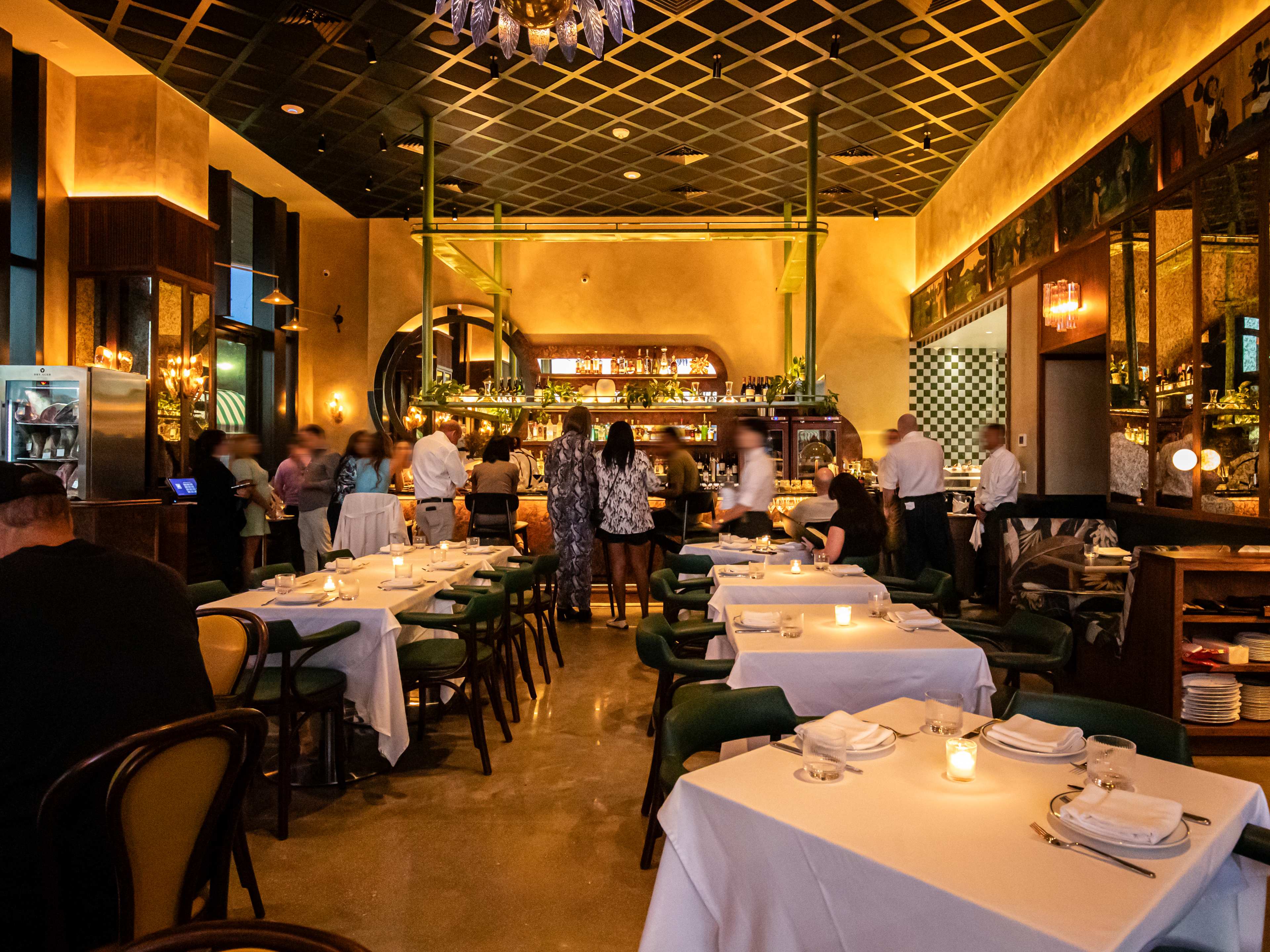
photo credit: Cleveland Jennings / @eatthecanvasllc
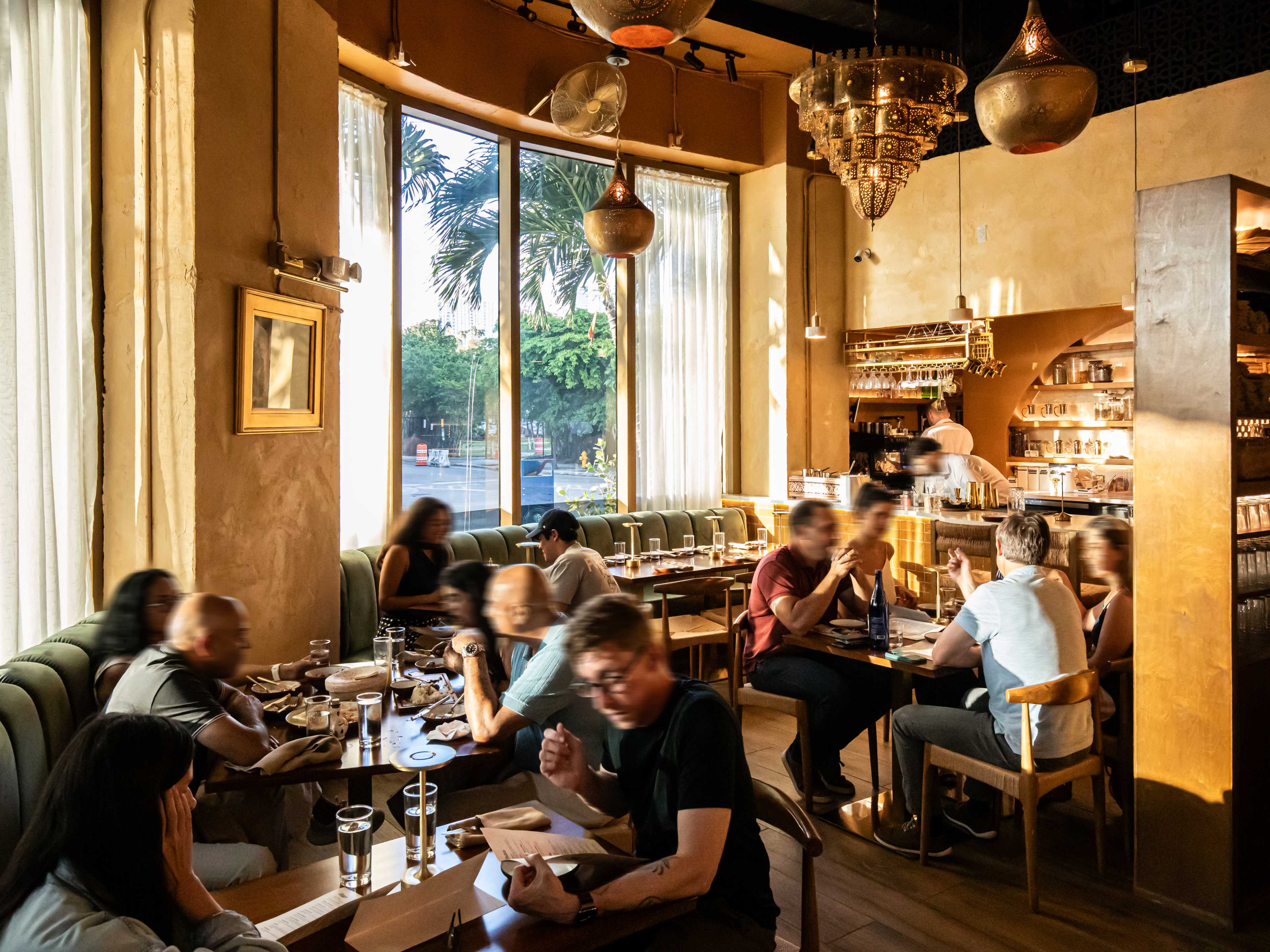
photo credit: Cleveland Jennings / @eatthecanvasllc
video credit: Virginia Otazo
Miami Restaurant Shrinkage
We’ve talked before about how menus were getting smaller, but now it’s dining rooms too. We won’t bore you with the specifics, but anyone who’s ever eaten a plate of french fries while squatting on a milk crate will tell you: labor and rent are usually a restaurant’s highest costs. Having a smaller dining room helps with both. And so—with rent prices skyrocketing around Miami—restaurants are naturally shrinking. Stand, a new Japanese spot in Coral Gables, seats about 30 people. Cafe Fenicia only has a handful of tables in its dining room, and To Be Determined has one of Miami’s smallest menus and dining rooms. Even steakhouses like Ezio’s in North Beach and Slim’s in Bal Harbour have small footprints compared to most of their steakhouse kin. And we love it. These restaurants feel cozy and more personal. It lets their teams have more meaningful interactions with guests, which leads to more regulars. It’s a win for everyone.