
A loud boom reported Wednesday evening in Jacksonville quickly was followed by an increase in chatter as people took to social media to try to track down the source of the noise.
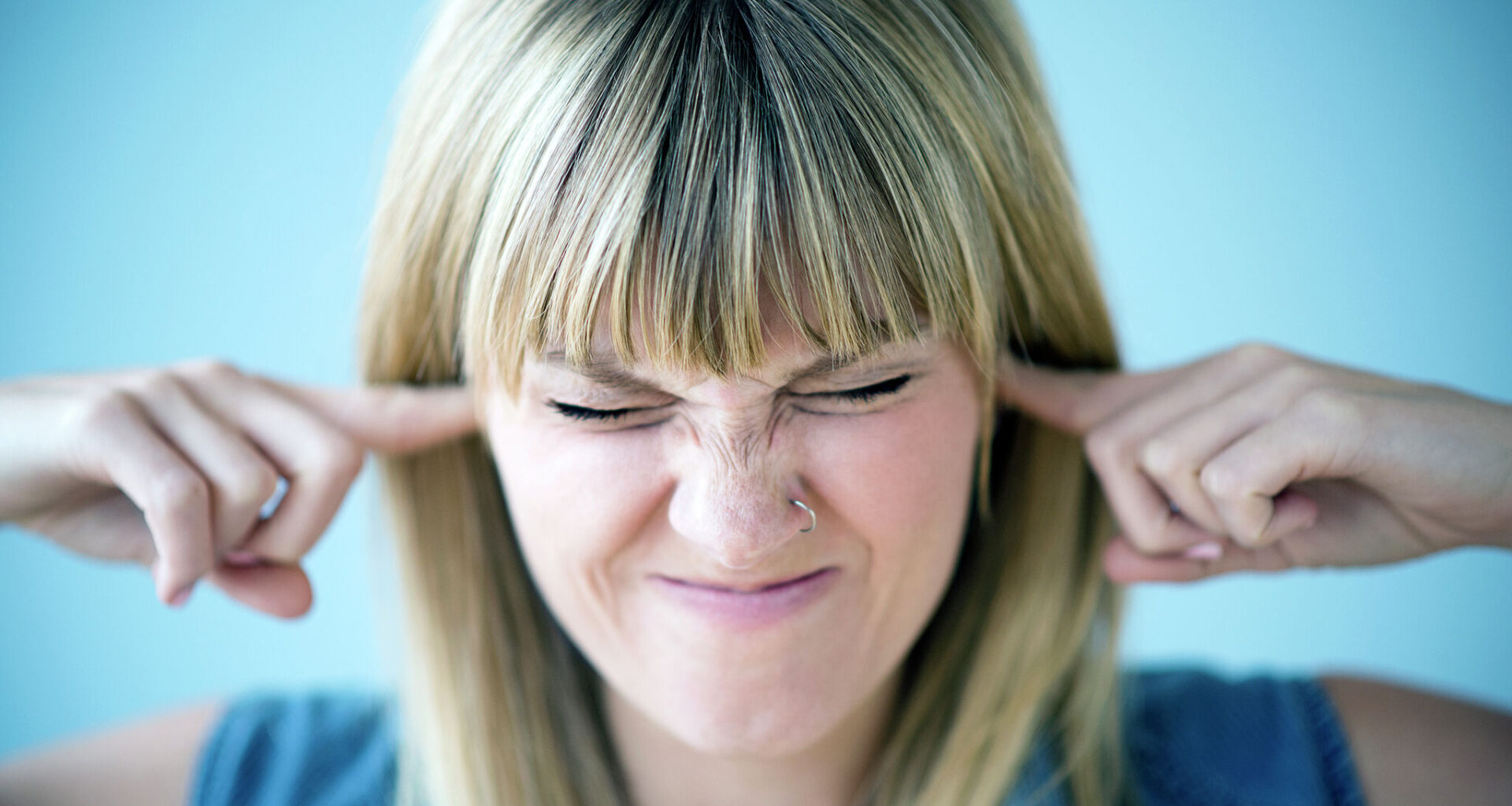
Jamie Grill/Getty Images/Tetra images RF
A loud boom reported Wednesday evening in Jacksonville quickly was followed by an increase in chatter as people took to social media to try to track the source of the noise.

Some, many within a wide radius of Morgan County Fairgrounds in northwest Jacksonville, reported hearing a similar sound more than once over a span of a few days.
Article continues below this ad
While there were several guesses about the noise’s origins — sonic boom, blown electrical transformer, thunder — among dozens of people reporting having heard it, few solid answers have followed, according to authorities.
“Mortar fireworks usually are the cause of those,” Jacksonville Police Lt. Mark Lonergan said. “This time of year, we’re getting close to the Fourth of July.”
Jacksonville Police Department was aware of the noise Thursday morning but hadn’t opened a formal investigation, Lonergan said, adding a reminder that city ordinance and state law both ban most fireworks, expect for smaller items such as sparklers.
Only licensed professionals are allowed to put on large fireworks displays in the city and state.
Article continues below this ad
July’s proximity led Jacksonville-Morgan County Emergency Management director Phil McCarty to second Lonergan’s fireworks theory.
“I’ve not been notified of any weather events or anything like that” to account for such a noise, McCarty said, noting it is not an investigative agency.
McCarty “may have heard” the noise while he was outside, he said, but it didn’t trigger any alarm bells for him.
“I don’t think there have been any calls for service or damage,” he said.
Article continues below this ad
That almost certainly rules out a weather phenomenon as the origin for the sound, said John Bumgardner, meteorologist for the National Weather Service in Lincoln.
“I can’t think of any (weather) phenomenon” that would cause a sound like the reported boom or explosion, Bumgardner said.
“A microburst is not actually an explosion,” Bumgardner said. “It usually doesn’t cause a boom sound — unless it does damage, like something crashing. If nobody’s seen anything, that’s probably not it.”
If city ordinance and state law aren’t enough to stop people from setting off fireworks as part of Fourth of July celebrations, the American Speech-Language-Hearing Association suggests protecting your hearing when doing so.
Article continues below this ad
“Fireworks and firecrackers can register 150 decibels at 3 feet away — well beyond the safe listening volume of 75-80 decibels,” according to the association. “Noise at this level can cause permanent damage in less than 1 second.”
Wearing foam earplugs can dampen noise to a safe level for most adults and teens, according to the association.
Other tips include heeding noise warnings on smartphones and smartwatches, taking listening breaks by periodically removing yourself from noisy places, and listening to your body by leaving if you experience pain, ringing in your ears or hearing changes. Problems that persist the next day should be checked by an audiologist.