
It’s been 10 years since 49 people lost their lives at Pulse nightclub in Orlando | Life after Pulse
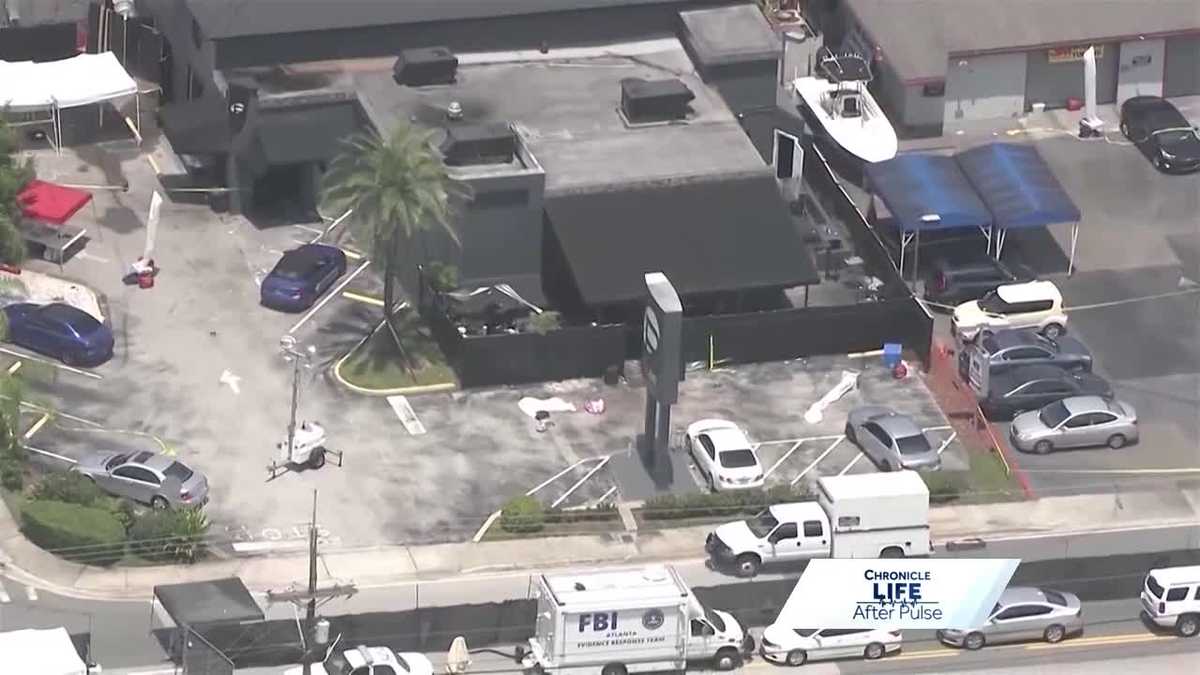
It’s been 10 years since June 12th of 2016. That was the night of the Pulse nightclub shooting, and it was *** night that changed our community here forever. If you were here, there is no doubt you remember the terror, the shock, the phone calls we all made to people we know to see if they were even in that building that night. It was so scary and so shocking on so many levels. I don’t think. Anyone could have seen what unfolded not just inside that building that night, but over the last 10 years. All of the disappointment surrounding the process of bringing *** permanent memorial to Orlando and the lack of services for survivors. It’s been very tense and very emotional. And here we are doing this in front of *** fence. The building is. Gone the sign, that iconic sign that stood over Orange Avenue for so many years, is gone, and there is still no memorial, and there is still *** lot of anger and frustration among families and survivors about that. And so over the next hour we really want to take you through what has unfolded here in our community over the last 10 years, and in order to do that we need to take you back to the beginning. Some days it doesn’t feel like 10 years since the chaos, the confusion, the crushing grief. When we first went on TV, we knew it was bad. You’re taking *** look at live pictures right now, so many injured in this shooting. We do not have *** specific number. We had no idea how terribly it would end, and it is with great sadness that I share we have not 20 but 50 casualties. In addition to the shooter, there are another 53 that are hospitalized. Replaying the details of the night is hard for the families, the survivors, and so many in Central Florida who felt touched by what happened at Pulse. But this is what happened just after 2 a.m. as Pulse nightclub began to wind down its Latin night. *** man with an automatic weapon opened fire on the packed dance floor. There were as many as 300 people inside and around the club. Those that could ran out the main door, outdoors to an enclosed patio, to the back of the club, into bathrooms. Bar security was *** lone off-duty police officer. He called for backup as the shooting began, but dozens of patrons were. shot and the shooter was deep into the nightclub at this point. He shot people hiding in bathrooms. He even called 911 and he stayed in the club, threatening to set off bombs until the Orange County SWAT team breached the back wall of Pulse just after 5 a.m. People are also inside of that restroom with him. And just on live TV, I’m not sure if you guys were able to hear that back at the station, and Pete, we can point that direction, but we just heard *** loud explosion. Orlando woke up that Sunday morning to heartbreak. 49 people dead and more than 50 in the hospital, some with gruesome, life-altering injuries. The outpouring of support was instant. Blood donation centers were overrun by everyone wanting to donate. Many people’s lives have been affected forever. And our community has been affected forever. Compensation funds were set up and people donated generously to ensure victims had some financial help in the aftermath. No amount of money is ever enough to replace *** life, but as the mourning began, questions started bubbling up. In the first days and weeks, there were questions about the club itself, multiple media. Outlets including West 2 reported on accusations about the fence that enclosed Pulse and issues with the exits. Now, according to *** text message exchange between city leaders, there are questions about exit doors being blocked, but the weight of what happened, the vigils, the funerals, the desire to lift up the LGBTQ community took over. As the days and months passed, we became Orlando Strong. Pulse was now the site of the nation’s largest mass shooting, and once it was no longer *** crime scene, questions about what it should become filled the community, the land, the building, all privately owned by Barbara and Rosario Poma, Pulse’s owners, as talk of *** memorial began, the city of Orlando made an overture. Buy out the owners for more than $2 million to get *** memorial built, but when two city commissioners balked at the purchase price, if you had *** specific someone saying it’s too much money? Yes, the Pomas walked away from the deal. It was about price for me. You couldn’t put *** price on it for me. And so began the One Pulse Foundation in late. In 2016, the foundation introduced itself. The purpose initially to help survivors and victims’ families, and build *** memorial to the 49 killed at Pulse. Barbara Poma, Pulse’s owner, was the founder. In the early days they hosted fundraising events and tried to find their footing. Board members were recruited. Financial support sought from across the US. They developed the Rainbow Run, *** 4.9 k race meant as *** remembrance of the Pulse victims, as well as *** fundraiser. Proceeds would support *** scholarship fund with one given for each of the 49 killed at Pulse. We have not forgotten what you’ve endured and what you are still enduring. But as annual ceremonies were held commemorating June 12th, fractures were developing within the community. Support for survivors was running out. The initial medical bills were paid, but wounds like the ones inflicted at Pulse take time to heal. Doctors, therapy, medication costing more than many survivors had, and some families were not satisfied with the police response, with answers from the city about the state of Pulse, and with Barbara Poma now running *** foundation that would dictate how their loved ones would be remembered that my role. To ensure that Pulse become *** place of healing, things came to *** head when plans for the one Pulse-backed memorial were announced. Millions of dollars spent on *** design that many felt was out of scope for the lot along Orange Avenue. And then there was the museum. Rendering showed *** towering building less than 1 mile from Pulse. Some loved the idea of *** place to reflect on the history of the LGBTQ community. Just leave the memorial. Make *** memorial. No museum, no. Others saw it as out of touch. Detractors called it death tourism. The grand plans came with *** rising price tag after the design reveal. OnePulse began *** campaign to raise $49 million. But then 2020 and the pandemic changed everything as material costs increased and fundraising slowed to *** halt internally. One Pulse. Was projecting *** $100 million project. That that was it for me. That was it. And that was too much for some within the organization. High level staff departures began as we neared the five year remembrance mark and as Wes too began working on stories of survivors, the friction within the Pulse community became public. Everything that’s going on nonprofit wise with Pulse that everyone sees kind of has nothing to do with. Actually I can take the kind of. It has nothing to do with the survivors. *** small but vocal group of survivors and family members were beginning to organize, pushing back on the memorial and museum plans, as well as revisiting the questions about Pulse’s safety from the early days of the attack, as all of this happened publicly, internally, one Pulse. The biggest fracture yet was developing in the summer of 2022. Founder Barbara Palma was removed as the executive director of the foundation, and within nine months she’d be out of the organization entirely. At the heart of it, whether the Palmas would donate the Pulse property for the memorial or if they expected to be paid for it. Meanwhile, calls for investigations grew louder. Some survivors and grieving families again wanting answers about the allegations of unpermitted renovations and code violations and how One Pulse was spending its donated funds. Even after Barbara Poma was out of the foundation. The accusations persisted, all of it impacting One Pulse’s ability to raise money. There’s *** lot that’s happened. The organization has not been able to raise the money in. *** period of six years to build the projects in the fall of 2023, OnePulse’s board of directors took dire action. They sold *** lot purchased for the memorial in order to pay back state grants and turned over another property to Orange County to repay *** tourism tax grant. Then just before Thanksgiving tonight, the One Pulse Foundation says it will not go on. The board voted to dissolve the nonprofit after fundraising and grants of roughly. $20 million. One Pulse closed in debt and with nothing to show for the promised memorial to the victims of the Pulse attack. We are singularly focused on making sure that the memorial is completed and it is completed on the Pulse nightclub site. Concerned about what might happen to the property, the city of Orlando stepped in at the end of 2023 and brokered *** deal to buy Pulse from the Palmas. In the end, it was practically the same deal that. Fell apart between the city and the Palmas back in 2016. Under the city’s control, *** task force was formed to figure out what would happen to Pulse. Victims’ family members, survivors, and community leaders applied to join. Like so many other things connected to Pulse, the process was rocky. The same detractors claimed the memorial process was fixed, saying those directly impacted by Pulse didn’t have enough input or seats at the table. The committee worked to. Develop concepts of *** memorial. Should the building stay or go or in between and give advice on whether the nightclub building should remain. I don’t think the building should be torn down until there’s *** proper third party investigation or be demolished. We can’t dwell in the past. If we want to move forward, we have to look to the future. Ultimately that was the decision knock down the building where 49 people lost their lives to make way for *** memorial. In the days leading up to the nine year remembrance, families and survivors were given the chance to walk inside Pulse. Dozens made the journey. Many did not. Then in March of this year, nearly *** decade after the massacre that changed the city, the Pulse nightclub, *** rundown shell of the vibrant safe haven it once was for so many, was torn down to make way for *** permanent memorial.
It’s been 10 years since 49 people lost their lives at Pulse nightclub in Orlando | Life after Pulse

Updated: 5:38 PM EDT Jun 11, 2026
This story is part of the WESH 2 Chronicle: Life after Pulse 10 years later SURVIVORS REFLECT | REMEMBRANCE EVENTS | FRIDAY BELL RINGING | RAINBOW RUN | REMEMBERING THE VICTIMS | THE DEMISE OF ONEPULSE | SURVIVORS WANT ANSWERS | WHAT HAPPENED AT PULSEThe Pulse nightclub, the site of the deadliest modern mass shooting in U.S. history, was demolished earlier this year to make way for a permanent memorial honoring the 49 lives lost in the 2016 attack.The tragedy unfolded just after 2 a.m. on June 12, 2016, as Pulse was winding down its Latin Night. A gunman armed with an automatic weapon opened fire on the crowded dance floor. Bar security consisted of a lone off-duty police officer, who called for backup as the shooting began. By the time law enforcement arrived, dozens of people had already been shot, and the gunman had moved deeper into the nightclub. He continued shooting, targeting people hiding in bathrooms, and even called 911, threatening to set off bombs. The standoff ended just after 5 a.m. when the Orange County SWAT team breached the back wall of the club. Orlando woke up that Sunday morning to heartbreak: 49 people were dead, and more than 50 others were hospitalized, many with life-altering injuries. The community responded immediately, with blood donation centers overwhelmed by people wanting to help. Compensation funds were set up, and donations poured in to provide financial assistance to victims and their families. “Many people’s lives have been affected forever, and our community has been affected forever,” Alex Martins said. “No amount of money is ever enough to replace a life.” In the aftermath, questions arose about the club itself, including allegations of blocked exit doors and issues with the fence enclosing Pulse. Text messages between city leaders revealed concerns about unpermitted renovations and code violations. Despite the tragedy, the community rallied together under the banner of “Orlando Strong,” holding vigils and funerals and working to uplift the LGBTQ+ community. As Pulse transitioned from a crime scene to a site of remembrance, discussions about its future began. The nightclub’s owners, Barbara and Rosario Poma, declined a $2 million offer from the city of Orlando to purchase the property for a memorial. “It wasn’t about price for me, you really couldn’t put a price on it for me,” Poma said.In late 2016, the Pomas launched the onePulse Foundation to support survivors and victims’ families and to build a memorial. Fundraising events were held, and the foundation introduced the Rainbow Run, a 4.9K race to honor the 49 victims and raise money for scholarships in their names. However, survivors continued to face mounting medical costs for therapy, medication and long-term care, while some families expressed dissatisfaction with the police response and the foundation’s plans for the memorial. Tensions escalated when onePulse unveiled designs for a memorial and museum, with a projected cost of $49 million. Critics labeled the museum “death tourism,” and fundraising efforts stalled during the COVID-19 pandemic. By 2020, the estimated cost of the project had ballooned to $100 million, leading to high-level staff departures and public friction within the Pulse community. “Everything that’s going on nonprofit-wise, with Pulse that everyone sees, kind of has nothing to do with, actually, I can take the ‘kind of’—it has nothing to do with the survivors,” said Norman. In 2022, Barbara Poma was removed as executive director of onePulse and later left the organization entirely. Disputes over whether the Pomas would donate the Pulse property for the memorial or expect payment further strained relations. Amid growing calls for investigations into onePulse’s spending and allegations of unpermitted renovations at Pulse, the foundation struggled to raise funds. In fall 2023, the board sold a lot purchased for the memorial to repay state grants and turned over another property to Orange County to settle a tourism tax grant. Shortly before Thanksgiving, onePulse dissolved, leaving behind debt and no memorial. Concerned about the future of the property, the city of Orlando stepped in, purchasing Pulse from the Pomas in a deal similar to the one proposed in 2016. A task force was formed to determine the site’s future, with victims’ families, survivors, and community leaders participating. The committee ultimately decided to demolish the nightclub to make way for a permanent memorial. In the days leading up to the nine-year remembrance, families and survivors were invited to walk through Pulse one last time. In March 2023, the Pulse nightclub—a shell of the vibrant safe haven it once was—was torn down. The site will now serve as a place of reflection and remembrance for the lives lost in the tragedy.
ORLANDO, Fla. —
This story is part of the WESH 2 Chronicle: Life after Pulse 10 years later
SURVIVORS REFLECT | REMEMBRANCE EVENTS | FRIDAY BELL RINGING | RAINBOW RUN | REMEMBERING THE VICTIMS | THE DEMISE OF ONEPULSE | SURVIVORS WANT ANSWERS | WHAT HAPPENED AT PULSE
The Pulse nightclub, the site of the deadliest modern mass shooting in U.S. history, was demolished earlier this year to make way for a permanent memorial honoring the 49 lives lost in the 2016 attack.
The tragedy unfolded just after 2 a.m. on June 12, 2016, as Pulse was winding down its Latin Night. A gunman armed with an automatic weapon opened fire on the crowded dance floor.
Bar security consisted of a lone off-duty police officer, who called for backup as the shooting began. By the time law enforcement arrived, dozens of people had already been shot, and the gunman had moved deeper into the nightclub.
He continued shooting, targeting people hiding in bathrooms, and even called 911, threatening to set off bombs. The standoff ended just after 5 a.m. when the Orange County SWAT team breached the back wall of the club.
Orlando woke up that Sunday morning to heartbreak: 49 people were dead, and more than 50 others were hospitalized, many with life-altering injuries. The community responded immediately, with blood donation centers overwhelmed by people wanting to help.
Compensation funds were set up, and donations poured in to provide financial assistance to victims and their families.
“Many people’s lives have been affected forever, and our community has been affected forever,” Alex Martins said. “No amount of money is ever enough to replace a life.”
In the aftermath, questions arose about the club itself, including allegations of blocked exit doors and issues with the fence enclosing Pulse. Text messages between city leaders revealed concerns about unpermitted renovations and code violations.
Despite the tragedy, the community rallied together under the banner of “Orlando Strong,” holding vigils and funerals and working to uplift the LGBTQ+ community.
As Pulse transitioned from a crime scene to a site of remembrance, discussions about its future began. The nightclub’s owners, Barbara and Rosario Poma, declined a $2 million offer from the city of Orlando to purchase the property for a memorial.
“It wasn’t about price for me, you really couldn’t put a price on it for me,” Poma said.
In late 2016, the Pomas launched the onePulse Foundation to support survivors and victims’ families and to build a memorial. Fundraising events were held, and the foundation introduced the Rainbow Run, a 4.9K race to honor the 49 victims and raise money for scholarships in their names.
However, survivors continued to face mounting medical costs for therapy, medication and long-term care, while some families expressed dissatisfaction with the police response and the foundation’s plans for the memorial.
Tensions escalated when onePulse unveiled designs for a memorial and museum, with a projected cost of $49 million. Critics labeled the museum “death tourism,” and fundraising efforts stalled during the COVID-19 pandemic. By 2020, the estimated cost of the project had ballooned to $100 million, leading to high-level staff departures and public friction within the Pulse community.
“Everything that’s going on nonprofit-wise, with Pulse that everyone sees, kind of has nothing to do with, actually, I can take the ‘kind of’—it has nothing to do with the survivors,” said Norman.
In 2022, Barbara Poma was removed as executive director of onePulse and later left the organization entirely. Disputes over whether the Pomas would donate the Pulse property for the memorial or expect payment further strained relations.
Amid growing calls for investigations into onePulse’s spending and allegations of unpermitted renovations at Pulse, the foundation struggled to raise funds.
In fall 2023, the board sold a lot purchased for the memorial to repay state grants and turned over another property to Orange County to settle a tourism tax grant. Shortly before Thanksgiving, onePulse dissolved, leaving behind debt and no memorial.
Concerned about the future of the property, the city of Orlando stepped in, purchasing Pulse from the Pomas in a deal similar to the one proposed in 2016. A task force was formed to determine the site’s future, with victims’ families, survivors, and community leaders participating.
The committee ultimately decided to demolish the nightclub to make way for a permanent memorial. In the days leading up to the nine-year remembrance, families and survivors were invited to walk through Pulse one last time.
In March 2023, the Pulse nightclub—a shell of the vibrant safe haven it once was—was torn down. The site will now serve as a place of reflection and remembrance for the lives lost in the tragedy.