
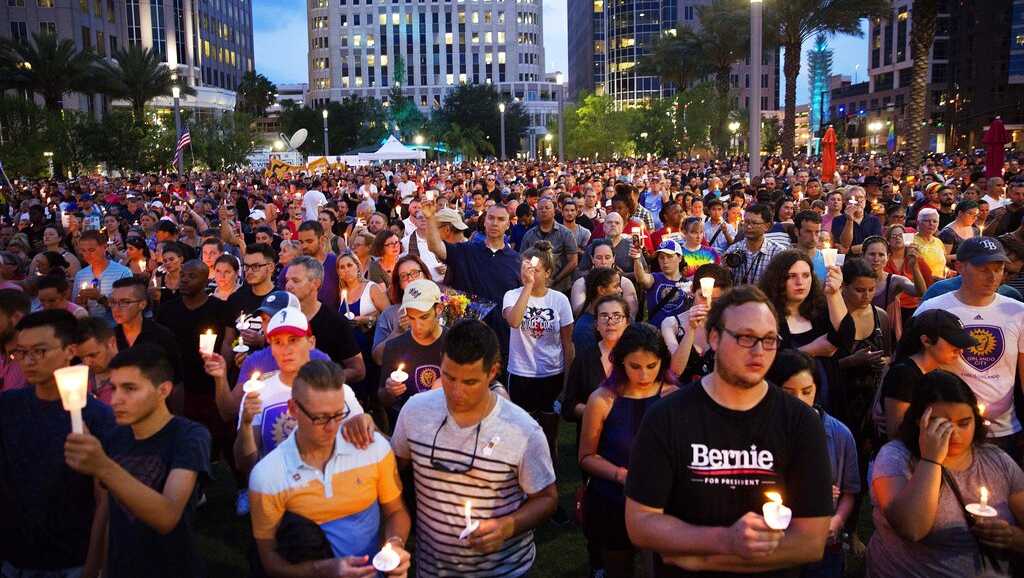
Friday marks 10 years since a man opened fire at Pulse nightclub in Orlando, murdering 49 people and wounding 58 others.There were 300 people at Pulse when the shooting occurred just after 2 a.m., on June 12, 2016.SURVIVORS REFLECT | REMEMBRANCE EVENTS | FRIDAY BELL RINGING | RAINBOW RUN | REMEMBERING THE VICTIMS | THE DEMISE OF ONEPULSE | SURVIVORS WANT ANSWERS | WHAT HAPPENED AT PULSEIt wasn’t until 5 a.m. that law enforcement killed the shooter after he barricaded himself and the victims inside the club’s bathroom.The FBI deemed it an act of terrorism, the worst since Sept. 11, 2001, they said. Replaying the details of that night is hard—for the families, the survivors and so many in Central Florida who were touched by what happened.Orlando woke up that morning to heartbreak.The outpouring of support was instant. Blood donation centers were overrun by everyone wanting to donate. Compensation funds were created to ensure victims had financial help amid the aftermath.But the weight of what happened, the vigils, funerals and desire to uplift the LGBTQ+ community, took over.As the days, weeks and months passed, the community became Orlando Strong. Survivors share their storiesA decade after the Pulse nightclub shooting, survivors Leo Melendez and Norman Casiano are sharing their stories of recovery, resilience, and finding joy despite the lasting physical and emotional scars. “I don’t think I will ever heal,” Melendez said. Melendez, who walked into the nightclub with his friend Javier Jorge-Reyes, remembers the night vividly. Jorge-Reyes was one of the 49 victims who lost their lives. Melendez woke up in the hospital three weeks later, having survived three gunshot wounds. “I can either be negative and throw myself in a bed and be depressed, or I can smile and say, I can do this, even though it’s hard, even though it’s challenging, even though it’s painful,” he said. When offered the chance to tour the nightclub before it was torn down, Melendez declined. Melendez dreams of writing a book about his survival story to inspire others. Casiano, who was shot in the back, has also faced PTSD, anxiety, depression, and nerve damage. “The healing is a constant. You know, there are still bad days and there are still good days,” he said. Weekly therapy and rediscovering his passion for cooking have helped him move forward. Casiano has stepped back from his years-long fight for survivors to be heard, saying it was necessary for his healing. “You’re trapped in this bubble of grief, and the battle comes from you wanting to not be feeling this way, but you’re still trapped in that bubble,” he said. He joined the advisory committee for the planned Pulse memorial but ultimately stepped down, finding the process too triggering. “It didn’t feel right. It didn’t feel right for me in my healing,” he said. Both Melendez and Casiano continue to honor the victims and survivors of Pulse. Pulse nightclub permanent memorialAlmost 10 years later, in March 2026, the building was torn down to create space for a memorial honoring the 49 lives lost.A task force was formed under the city’s control to determine the future of Pulse nightclub, with victims’ family members, survivors, and community leaders applying to join. Like many aspects connected to Pulse, the process faced challenges. Detractors claimed the process was fixed, saying those directly impacted by Pulse did not have enough input or seats at the table. The committee worked to develop concepts for a memorial and provided advice on whether the nightclub building should remain or be demolished. Ultimately, the decision was made to knock down the building where 49 people lost their lives to make way for a memorial. In the days leading up to the nine-year remembrance, families and survivors were given the opportunity to walk inside Pulse. Dozens of families and survivors made the journey, while many chose not to. Then, in March, the Pulse nightclub—a rundown shell of the vibrant haven it once was for so many—was torn down to make way for a permanent memorial.>> Below: Pulse nightclub demolition timelapseWhat’s to come After seven months of emotional discussions, the Pulse Memorial Advisory Committee developed design concepts for the project. Dr. Larry Schooler, a professor from Texas with prior experience on similar memorial projects, led the process. The committee’s proposed design includes a memorial and reflection space, Survivor’s Commons, private gathering areas, an Angel Ellipse site, a Healing Prism Garden, a reflection pool, and a visitor pavilion. The city selected Borelli and Partners as the lead architectural firm and Gomez Construction as the design-build contractor for the project. At the most recent public meeting, the companies unveiled the latest design renderings, which are now 60% complete.New details revealed for Pulse nightclub permanent memorial design
Friday marks 10 years since a man opened fire at Pulse nightclub in Orlando, murdering 49 people and wounding 58 others.
There were 300 people at Pulse when the shooting occurred just after 2 a.m., on June 12, 2016.
SURVIVORS REFLECT | REMEMBRANCE EVENTS | FRIDAY BELL RINGING | RAINBOW RUN | REMEMBERING THE VICTIMS | THE DEMISE OF ONEPULSE | SURVIVORS WANT ANSWERS | WHAT HAPPENED AT PULSE
It wasn’t until 5 a.m. that law enforcement killed the shooter after he barricaded himself and the victims inside the club’s bathroom.
The FBI deemed it an act of terrorism, the worst since Sept. 11, 2001, they said.
Replaying the details of that night is hard—for the families, the survivors and so many in Central Florida who were touched by what happened.
WESH
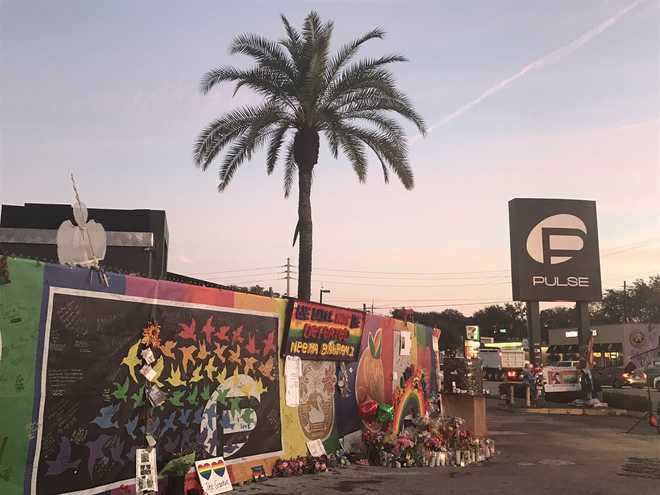
Pulse nightclub before it was torn down in 2026
Orlando woke up that morning to heartbreak.
The outpouring of support was instant. Blood donation centers were overrun by everyone wanting to donate. Compensation funds were created to ensure victims had financial help amid the aftermath.
But the weight of what happened, the vigils, funerals and desire to uplift the LGBTQ+ community, took over.
As the days, weeks and months passed, the community became Orlando Strong.
Survivors share their stories
A decade after the Pulse nightclub shooting, survivors Leo Melendez and Norman Casiano are sharing their stories of recovery, resilience, and finding joy despite the lasting physical and emotional scars.
“I don’t think I will ever heal,” Melendez said.
Melendez, who walked into the nightclub with his friend Javier Jorge-Reyes, remembers the night vividly. Jorge-Reyes was one of the 49 victims who lost their lives. Melendez woke up in the hospital three weeks later, having survived three gunshot wounds.
“I can either be negative and throw myself in a bed and be depressed, or I can smile and say, I can do this, even though it’s hard, even though it’s challenging, even though it’s painful,” he said.
When offered the chance to tour the nightclub before it was torn down, Melendez declined.
Melendez dreams of writing a book about his survival story to inspire others.
Casiano, who was shot in the back, has also faced PTSD, anxiety, depression, and nerve damage.
“The healing is a constant. You know, there are still bad days and there are still good days,” he said. Weekly therapy and rediscovering his passion for cooking have helped him move forward.
Casiano has stepped back from his years-long fight for survivors to be heard, saying it was necessary for his healing.
“You’re trapped in this bubble of grief, and the battle comes from you wanting to not be feeling this way, but you’re still trapped in that bubble,” he said.
He joined the advisory committee for the planned Pulse memorial but ultimately stepped down, finding the process too triggering.
“It didn’t feel right. It didn’t feel right for me in my healing,” he said.
Both Melendez and Casiano continue to honor the victims and survivors of Pulse.
Pulse nightclub permanent memorial
Almost 10 years later, in March 2026, the building was torn down to create space for a memorial honoring the 49 lives lost.
A task force was formed under the city’s control to determine the future of Pulse nightclub, with victims’ family members, survivors, and community leaders applying to join.
Like many aspects connected to Pulse, the process faced challenges. Detractors claimed the process was fixed, saying those directly impacted by Pulse did not have enough input or seats at the table.
The committee worked to develop concepts for a memorial and provided advice on whether the nightclub building should remain or be demolished. Ultimately, the decision was made to knock down the building where 49 people lost their lives to make way for a memorial.
In the days leading up to the nine-year remembrance, families and survivors were given the opportunity to walk inside Pulse. Dozens of families and survivors made the journey, while many chose not to.
Then, in March, the Pulse nightclub—a rundown shell of the vibrant haven it once was for so many—was torn down to make way for a permanent memorial.
>> Below: Pulse nightclub demolition timelapse
What’s to come
After seven months of emotional discussions, the Pulse Memorial Advisory Committee developed design concepts for the project. Dr. Larry Schooler, a professor from Texas with prior experience on similar memorial projects, led the process.
David Goldman
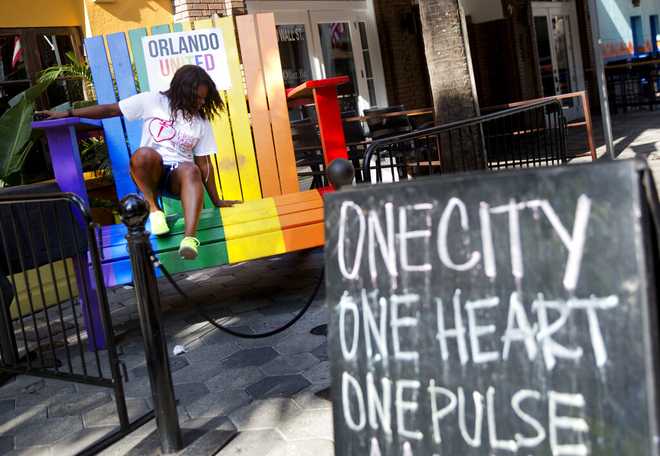
Elizabeth Newsome, of Orlando, jumps off a large chair outside a bar painted in the colors of a rainbow as a tribute to the victims of the Pulse nightclub mass shooting Saturday, June 18, 2016, in Orlando, Fla. (AP Photo/David Goldman)
The committee’s proposed design includes a memorial and reflection space, Survivor’s Commons, private gathering areas, an Angel Ellipse site, a Healing Prism Garden, a reflection pool, and a visitor pavilion.
The city selected Borelli and Partners as the lead architectural firm and Gomez Construction as the design-build contractor for the project.
At the most recent public meeting, the companies unveiled the latest design renderings, which are now 60% complete.
New details revealed for Pulse nightclub permanent memorial design