

Of the estimated 2.1 million people living in Broward County, approximately 250,000 neighbors, family and friends face food insecurity every day. The need stretches across all ages and demographics, from the elderly to newborns to school-age children. It impacts every race, religion and community.
According to the United Way, the Soref Community Center and our local food banks, 83,000 children go to bed hungry every night. How, in a country as rich as ours, can we allow children to not know if the morning will bring them hope and nourishment or another day of empty stomachs? In many cases, parents go without eating so their kids can have a meal. This is a crisis that cannot be ignored, especially with school-age children now in summer vacation, which means even further reductions in access to healthy foods.
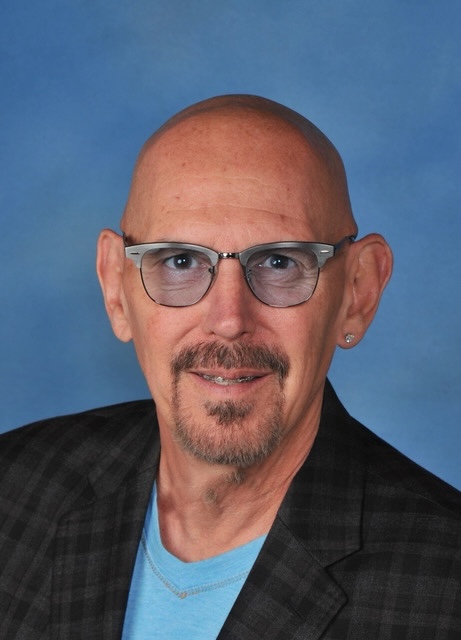 Michael Farver is president and CEO of the South Florida Hunger Coalition. (courtesy, Michael Farver)
Simply handing out food isn’t enough to solve the problem. The most vulnerable in our community require a spoke of support services. These families are already choosing between food and a roof over their heads, utilities, medicine and transportation. Budget cuts and elimination of universal free lunch by the Broward County School Board this past year, programs that are still robust and effective in both Palm Beach and Miami-Dade counties, have meant that children have had, at best, a limited opportunity to receive some measure of school breakfast, lunch or afterschool snacks. With the end of the school year, they are now at greater risk.
In partnership with dozens of community organizations and funding from the Children’s Services Council (CSC), the South Florida Hunger Coalition (SFHC), has launched the 12th year of our summer child nutrition and education program, Summer BreakSpot, in collaboration with Fort Lauderdale’s Blue Tree Café. Hot meals and enrichment activities are being offered at 10 locations throughout Broward County for 10 weeks. Other nonprofits will be launching similar initiatives.
Children who do not have proper nutrition are more likely to experience severe health issues, be unable to concentrate in school and are more prone to mental-health struggles and an inability to reach their greatest level of productivity. These children are the future of our community and our nation, and we are failing them. Dozens of Broward food pantries, large and small, hundreds of nonprofit and faith-based organizations, along with thousands of local volunteers, are trying to fight the good fight, but they are overwhelmed by the growing need.
SFHC strives to work with these organizations and partner agencies to develop solutions. We act as a resource, convener and implementer of innovative health, nutrition and food security-related initiatives through collaborative partnerships that also include sponsors and donors. We are all working hard, together with government and non-governmental agencies, and private funders, to tackle this challenge, but it’s bigger than all of us put together. We are all sticking our fingers in a dike that is crumbling.
To add insult to injury, the recent gutting of SNAP (Supplemental Nutrition Assistance Program) and WIC (Women, Infants & Children) and the proposed additional cuts and regulations at the state and federal level will exacerbate the problem exponentially. With increased work requirements for people up to age 64, and cuts for veterans, unhoused/homeless and seniors living on fixed incomes, this crisis touches all sectors and ages within our county and state.
We must find a way to provide our most vulnerable with healthy foods. Otherwise, we will all be paying even higher prices for increased mental-health issues, heavier burdens on our healthcare system, and children will be unable to properly grow and learn.
Food is life and health, plain and simple.
The food insecurity issue in our community is monumental and overwhelming, but each one of us can play a role. In Broward alone, more than 100 different organizations, large and small, work to feed our neighbors. Anyone can engage with us in this fight. If you can, donate, volunteer or join a board of directors. When you shop at your local grocery store, perhaps use the Buy One, Get One offers to give an extra food items to someone in need.
Every small step toward ensuring our fellow neighbors have access to fresh, nutritious food helps to build a healthier, more vibrant community. We cannot do this alone. We need to work together.
Michael Farver is president and CEO of the Fort Lauderdale-based South Florida Hunger Coalition and has been involved in hunger issues for more than five decades.