
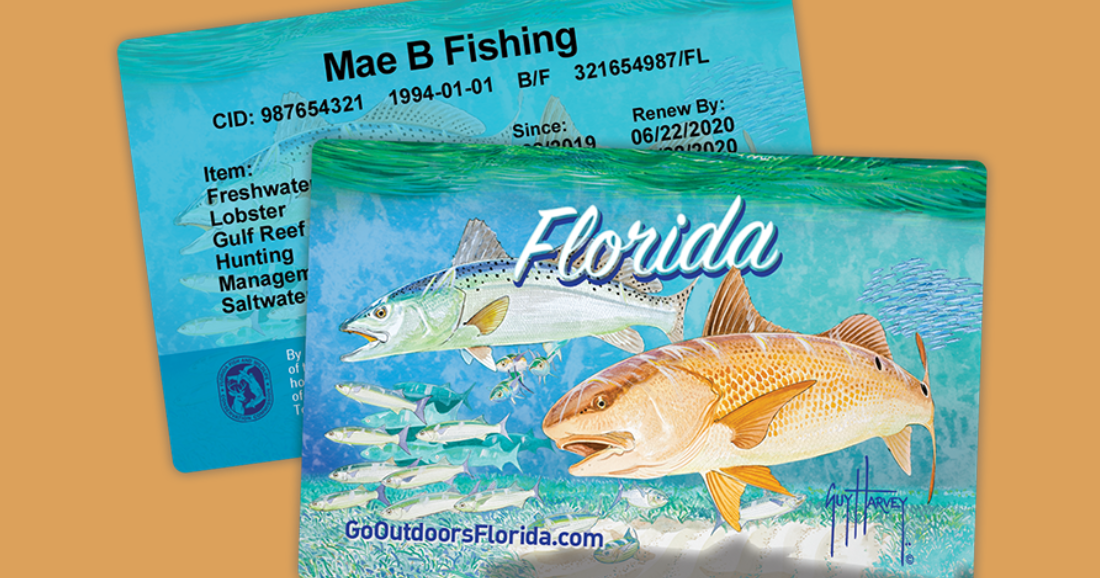
The Florida Wildlife Commission (FWC) has reversed course into a new regulation, which required non-residents to buy short-term 3- or 7-day recreational fishing licenses in person instead of online, after it drew criticism.
The change, which took effect late last year, recently prompted a state-wide petition by charter captains opposing the rule, saying it is creating unnecessary hurdles for tourists who love to fish in Florida.
The captain’s petition aimed to collect more than 3,000 signatures on the petition in hopes the FWC and state lawmakers will restore the previous rule.
The captains were aiming for more than 3,000 signatures on the petition in hopes the FWC and state lawmakers will restore to the previous rule. They ended up collecting over 7000 signatures in favor of the change, posting a victorious update on June 5th.
“WE DID IT! After months of frustration, canceled trips, confusion, and thousands of voices speaking up, FWC has officially restored online purchases for non-resident 3-day and 7-day fishing licenses. We didn’t want to declare a full victory in this until our own customers have tested the process. But we are good!” they wrote from their change.org account.
Visitors had objected to the elimination of the requirement that prevented purchasing the recreational fishing licenses online through FWC’s website, making them instead visit a tax collector office, some Walmart locations and bait and tackle shops.
A three-day license costs $17, while a seven-day permit costs $30.
The FWC said the change was designed to simplify and streamline online sales, encourage responsible participation by reducing the number of short-term purchases made in a year, and support Florida’s fisheries by ensuring license revenue funds conservation and management programs.
Critics said the new regulation was negatively impacting Florida’s economy by turning away tourist fishing.
Captain Dylan Hubbard, owner of Hubbard’s Marina in Madeira Beach and president of the Florida Guides Association, who led the petition drive, said the sudden change is already impacting guides across the state.
Hubbard says visitors were frustrated by the added step, with some choosing to cancel or avoid booking trips altogether.
“You and I both know how much of a joke that is to tell someone from out of state to go to our local DMVs on their vacation,” Hubbard said. “It’s a nightmare.”
According to Fishingfortarpon.com, tarpon fishing alone generates about $5 billion annually in tourism revenue, supporting more than 60,000 jobs across hospitality, retail and transportation.
Visitors often spend around $1,000 per trip on accommodations, dining and equipment rentals to bolster local businesses year round.
In Miami, tourist fishing is a major part of the tourism economy, generating roughly 9.2 billion annually, according to the Greater Miami Convention and Visitors Bureau.
Most tourists fish in coastal communities like Key Biscayne, Miami Beach, Sunny Isle Beach and the Florida Keys.
“Tourist fishing in Miami is a significant economic driver, but it also carries environmental risks if not managed carefully,” it said on its website. “Sustainable practices, regulation, and public awareness are essential to ensure that the sport continues to benefit both the economy and the marine ecosystems that make Miami a world-class destination.”
The FWC didn’t respond to a request for an interview.