
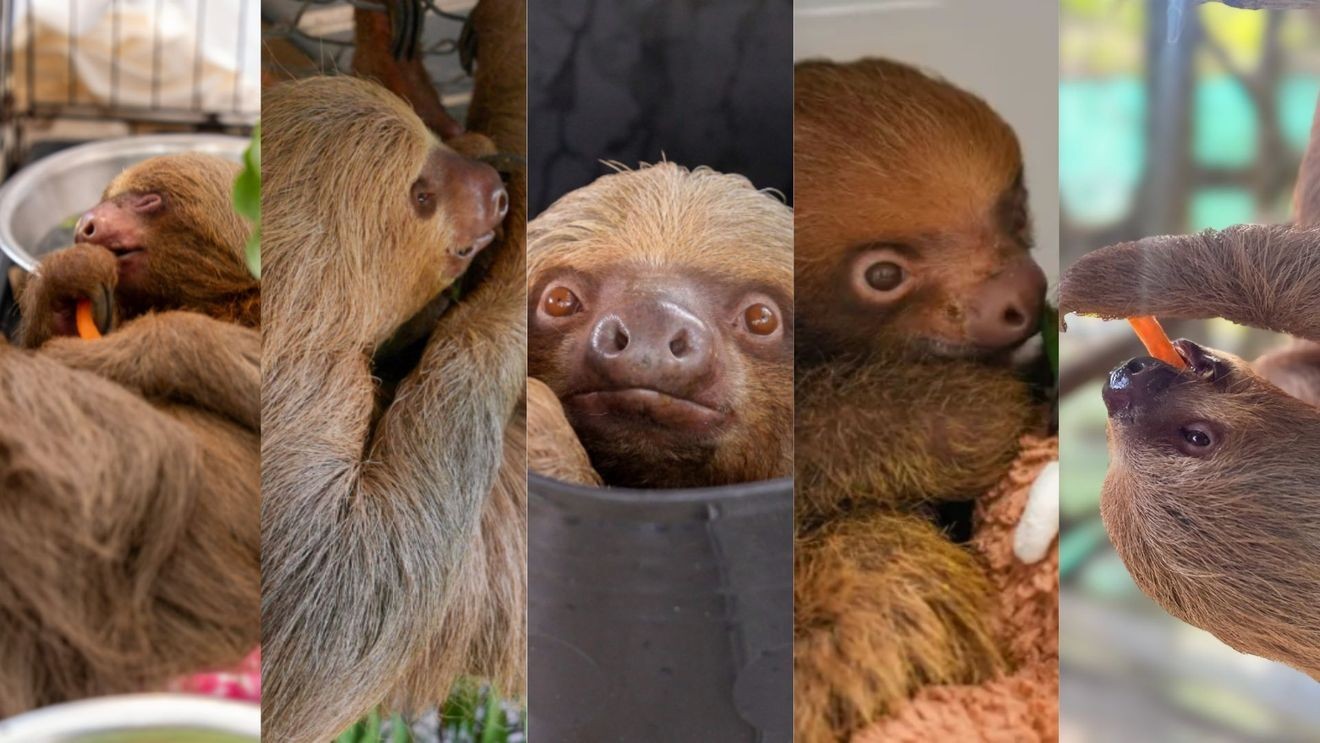
SANFORD, Fla. (CBS12) — The Central Florida Zoo & Botanical Gardens is mourning on Tuesday the loss of Willow, a female sloth receiving behind-the-scenes care, marking the fifth death among animals undergoing rehabilitation after being rescued from a troubled Orlando attraction, “Sloth World“.
Zoo officials said Willow’s health had steadily declined in recent weeks despite daily monitoring and treatment from Animal Care, Nutrition, and Veterinary teams. After consulting with experts through the Association of Zoos and Aquariums and conducting a comprehensive quality-of-life assessment, the staff made the difficult decision to humanely euthanize her.
“It’s with a heavy heart that we share the passing of Willow,” the Zoo said in a statement, emphasizing the decision was made in the animal’s best interest.
Willow was part of a group of sloths transferred to the Zoo on April 24, following the collapse of the controversial “Sloth World” attraction on International Drive in Orlando. Officials said several of the animals arrived in critical condition, while others were underweight and suffering from digestive issues. In her final weeks, Willow exhibited similar gastrointestinal symptoms seen in the most compromised animals.
Her death is the latest in a series of losses tied to the rescue effort. Prior to Willow, four other sloths under or shortly after transfer into care — Bandit, Habanero, Dumpling, and a baby sloth named Mr. Ginger — died as a result of severe health complications.
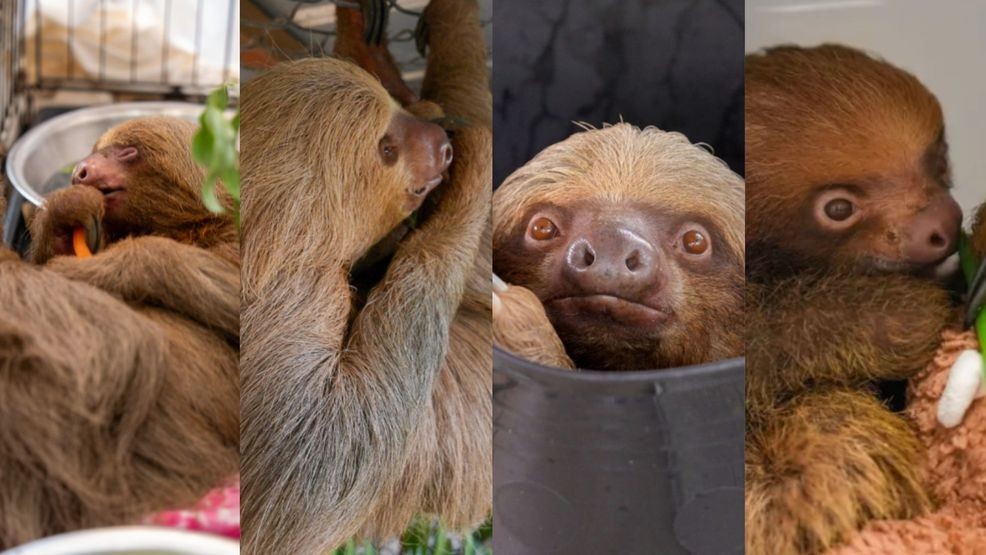
Her death is the latest in a series of losses tied to the rescue effort. Prior to Willow, four other sloths under or shortly after transfer into care — Bandit, Habanero, Dumpling, and a baby sloth named Mr. Ginger — died as a result of severe health complications. (Central Florida Zoo & Botanical Gardens)
Dumpling, one of the earlier losses, arrived in critical condition and struggled with persistent digestive and gastrointestinal issues before dying despite treatment, underscoring the fragile state of the animals upon rescue.
Mr. Ginger, a four- to six-month-old sloth, required intensive, round-the-clock care, including incubation and hand-feeding, after arriving in what officials described as an “extremely fragile condition.” He was later euthanized when his condition failed to improve, bringing the total number of deaths connected to the Sloth World operation to at least 56 — now 57.
The broader situation tied to Sloth World has drawn scrutiny from state regulators and law enforcement. Authorities have linked dozens of sloth deaths directly to conditions at the Orlando facility, where animals were reportedly kept in a warehouse lacking consistent power and running water, contributing to cold exposure and other health complications.
In total, the Florida Fish and Wildlife Conservation Commission reported necropsies revealed a range of issues, including infections, immune suppression, and other serious diseases, with some cases tied to viral illness and environmental stress.
See also: Florida road renaming measure for President Trump, Charlie Kirk moves to DeSantis’ desk
The Sloth World attraction has since filed for bankruptcy, effectively halting the project, while criminal investigations remain ongoing. State officials have also implemented a 60-day pause on sloth imports as part of a broader review of wildlife regulations and oversight.
Zoo officials say the ongoing losses highlight how difficult rehabilitation has been for the remaining animals, noting that sloths often mask symptoms of illness until conditions become critical.
Despite the setbacks, the Central Florida Zoo says its team remains focused on the animals still in its care. The surviving sloths — Chewy, Dolce, Phantom, Blackberry, Hazel, Leeloo, Mojo Jojo, and Pearl — continue to receive specialized treatment, monitoring, and support.
“Our team remains focused on providing ongoing support and necessary treatments for the surviving sloths in our care,” the Zoo said.
Officials also thanked the community for its continued support, noting that care teams are taking a day-by-day approach as they work to stabilize the remaining animals in what remains an evolving and challenging situation.