
Nearly five years after Daytona Beach Police Officer Jason Raynor was fatally shot in the line of duty, Gov. Ron DeSantis has signed a law bearing his name.DeSantis signed the Officer Jason Raynor Act on Tuesday, surrounded by law enforcement leaders, supporters of the measure and Daytona Beach Police Chief Jakari Young.The law, sponsored by state Sen. Tom Leek, requires a mandatory life sentence without parole for anyone convicted of manslaughter in the death of a law enforcement officer.”The message we send with this bill is simple,” DeSantis said. “If you attack a law enforcement officer in the state of Florida, prepare to be held accountable.”Raynor was 26 years old when he was shot during a detention in June 2021. He died weeks later from his injuries.Othal Wallace, the man accused of shooting Raynor, was convicted of manslaughter and sentenced to 30 years in prison. Supporters of the legislation argued the sentence highlighted the need for stronger penalties in cases involving the deaths of law enforcement officers.Leek, who spent three years pushing the measure through the Legislature, called the bill signing a major milestone.”This is something that’s been being worked on for three years, and to see it finally get across the line and become law, I’m just ecstatic,” Leek said.Leek said the legislation sends a clear message about crimes committed against law enforcement officers.”You can’t go after cops, right? And if you’re going to commit a crime against cops, you should expect to pay the maximum penalty. And that’s what the Jason Raynor Act does,” he said.But the law has also drawn criticism.Defense attorney Tim Pribisco, who represented Wallace, said the legislation was unnecessary and largely a response to disagreement with the outcome of the Raynor case.”I think the law is unnecessary. I think it’s a response by folks that didn’t agree with the verdict,” Pribisco said.Pribisco also raised concerns about language in the law requiring people to comply with officers acting in good faith, even if an arrest is later determined to be unlawful.”Now, the advantage, as it always has been, is even more in the government’s hand, where you can be punished for literally defending yourself against an unlawful arrest,” he said.He warned the change could increase tensions. “We have, unfortunately, a friction between a lot of our law enforcement community and a lot of segments of our community. And I think that friction is only going to burn hotter,” Pribisco said.Supporters of the law disagree, arguing the measure is intended to protect law enforcement officers and ensure stronger consequences for those who kill them.The Officer Jason Raynor Act took effect immediately upon DeSantis’ signature.
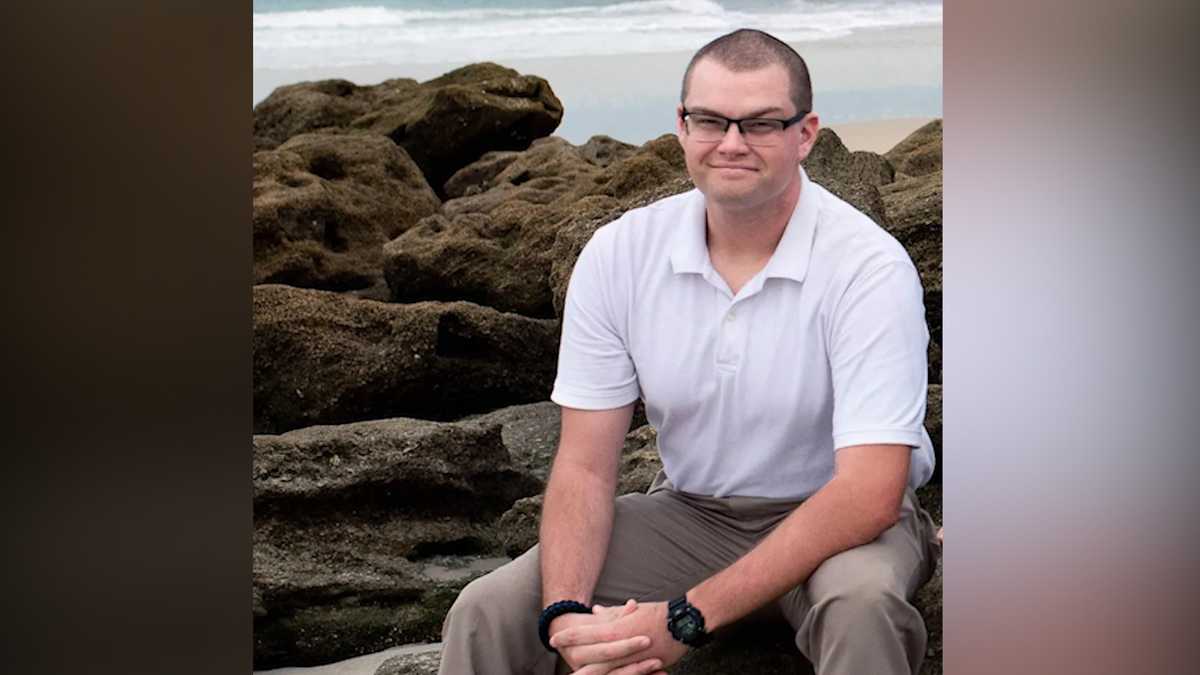
Nearly five years after Daytona Beach Police Officer Jason Raynor was fatally shot in the line of duty, Gov. Ron DeSantis has signed a law bearing his name.
DeSantis signed the Officer Jason Raynor Act on Tuesday, surrounded by law enforcement leaders, supporters of the measure and Daytona Beach Police Chief Jakari Young.
The law, sponsored by state Sen. Tom Leek, requires a mandatory life sentence without parole for anyone convicted of manslaughter in the death of a law enforcement officer.
“The message we send with this bill is simple,” DeSantis said. “If you attack a law enforcement officer in the state of Florida, prepare to be held accountable.”
Raynor was 26 years old when he was shot during a detention in June 2021. He died weeks later from his injuries.
Othal Wallace, the man accused of shooting Raynor, was convicted of manslaughter and sentenced to 30 years in prison. Supporters of the legislation argued the sentence highlighted the need for stronger penalties in cases involving the deaths of law enforcement officers.
Leek, who spent three years pushing the measure through the Legislature, called the bill signing a major milestone.
“This is something that’s been being worked on for three years, and to see it finally get across the line and become law, I’m just ecstatic,” Leek said.
Leek said the legislation sends a clear message about crimes committed against law enforcement officers.
“You can’t go after cops, right? And if you’re going to commit a crime against cops, you should expect to pay the maximum penalty. And that’s what the Jason Raynor Act does,” he said.
But the law has also drawn criticism.
Defense attorney Tim Pribisco, who represented Wallace, said the legislation was unnecessary and largely a response to disagreement with the outcome of the Raynor case.
“I think the law is unnecessary. I think it’s a response by folks that didn’t agree with the verdict,” Pribisco said.
Pribisco also raised concerns about language in the law requiring people to comply with officers acting in good faith, even if an arrest is later determined to be unlawful.
“Now, the advantage, as it always has been, is even more in the government’s hand, where you can be punished for literally defending yourself against an unlawful arrest,” he said.
He warned the change could increase tensions.
“We have, unfortunately, a friction between a lot of our law enforcement community and a lot of segments of our community. And I think that friction is only going to burn hotter,” Pribisco said.
Supporters of the law disagree, arguing the measure is intended to protect law enforcement officers and ensure stronger consequences for those who kill them.
The Officer Jason Raynor Act took effect immediately upon DeSantis’ signature.