
As prosecutors pursue the death penalty against a Martin County man accused of fatally stabbing an elderly woman, his defense attorney is challenging Florida’s controversial death penalty sentencing law.The State Attorney’s Office has announced its intent to seek the death penalty against Kersten Francilus, who is charged with first-degree murder in connection with the April stabbing death of a woman walking her dog.Court records show Francilus’s attorney has filed a motion arguing Florida’s current death penalty sentencing scheme is unconstitutional.Under a law signed by Gov. Ron DeSantis in 2023, following the mass shooting at Marjory Stoneman Douglas High School, a jury can recommend a death sentence with an 8-4 vote instead of requiring a unanimous recommendation.Francilus’s attorney, Mike Rubin, argues the law gives too much power to a majority of jurors while potentially silencing minority viewpoints within a jury.”Historically, Florida’s Death Penalty Statutes have been controversial, but when death is involved, there should be more protection afforded to a defendant to ensure unanimity of the conscience of the community, not less protections afforded by a requirement of only two-thirds,” Rubin wrote in a statement to WPBF 25 News.Rubin said the United States Supreme Court agreed earlier this week to hear a challenge to Florida’s six-person jury system in cases other than first-degree murder. He said he believes that the U.S Supreme Court will also eventually hear challenges to the eight-to-four sentencing scheme. Rubin also argued Florida has become an outlier among states by allowing death penalty recommendations without unanimous jury support.”While we recognize and accept that ‘death is different,’ the rules we have all agreed to live by for the past 250 years should be applied equally to all, across the board. This is the essence of Equal Protection, and the ‘Life, Liberty, and the Pursuit of Happiness’ we Americans treasure,” he said.Rubin began his statement by extending sympathy to the victim’s family.”First, and most important, I want to extend my personal sympathies to the family of the victim. May her memory be for a blessing and her purpose-driven life never be forgotten,” Rubin wrote.Former Palm Beach County State Attorney Dave Aronberg said legal challenges to Florida’s death penalty law were expected.”It was just a matter of time until defense lawyers got this question up to the U.S. Supreme Court. There is no other state that has such a low burden to get the death penalty,” Aronberg said.Aronberg said if a judge were to agree with the defense’s argument, the issue would likely be reviewed by appellate courts and could even make its way to the U.S. Supreme Court after jumping through several hoops.”The law is relatively new. It has not been challenged all the way up to the U.S. Supreme Court yet, so that is a possibility. But right now, they haven’t accepted certiorari, meaning they have not accepted a case to determine whether it is constitutional. So, until that happens, the system will go on as usual,” Aronberg said.The judge has not yet ruled on the motion challenging the death penalty statute. A trial date has not been scheduled. Francilus is expected to return to court in July for a status review hearing.
MARTIN COUNTY, Fla. —
As prosecutors pursue the death penalty against a Martin County man accused of fatally stabbing an elderly woman, his defense attorney is challenging Florida’s controversial death penalty sentencing law.
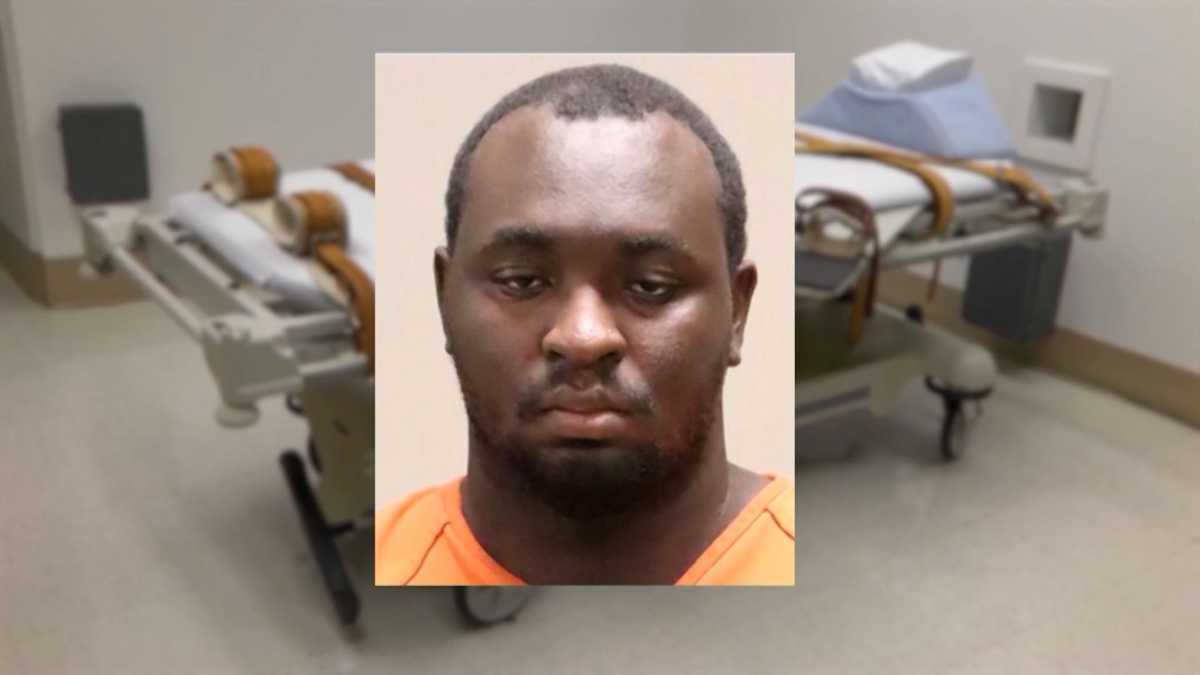
The State Attorney’s Office has announced its intent to seek the death penalty against Kersten Francilus, who is charged with first-degree murder in connection with the April stabbing death of a woman walking her dog.
Court records show Francilus’s attorney has filed a motion arguing Florida’s current death penalty sentencing scheme is unconstitutional.
Under a law signed by Gov. Ron DeSantis in 2023, following the mass shooting at Marjory Stoneman Douglas High School, a jury can recommend a death sentence with an 8-4 vote instead of requiring a unanimous recommendation.
Francilus’s attorney, Mike Rubin, argues the law gives too much power to a majority of jurors while potentially silencing minority viewpoints within a jury.
“Historically, Florida’s Death Penalty Statutes have been controversial, but when death is involved, there should be more protection afforded to a defendant to ensure unanimity of the conscience of the community, not less protections afforded by a requirement of only two-thirds,” Rubin wrote in a statement to WPBF 25 News.
Rubin said the United States Supreme Court agreed earlier this week to hear a challenge to Florida’s six-person jury system in cases other than first-degree murder. He said he believes that the U.S Supreme Court will also eventually hear challenges to the eight-to-four sentencing scheme.
Rubin also argued Florida has become an outlier among states by allowing death penalty recommendations without unanimous jury support.
“While we recognize and accept that ‘death is different,’ the rules we have all agreed to live by for the past 250 years should be applied equally to all, across the board. This is the essence of Equal Protection, and the ‘Life, Liberty, and the Pursuit of Happiness’ we Americans treasure,” he said.
Rubin began his statement by extending sympathy to the victim’s family.
“First, and most important, I want to extend my personal sympathies to the family of the victim. May her memory be for a blessing and her purpose-driven life never be forgotten,” Rubin wrote.
Former Palm Beach County State Attorney Dave Aronberg said legal challenges to Florida’s death penalty law were expected.
“It was just a matter of time until defense lawyers got this question up to the U.S. Supreme Court. There is no other state that has such a low burden to get the death penalty,” Aronberg said.
Aronberg said if a judge were to agree with the defense’s argument, the issue would likely be reviewed by appellate courts and could even make its way to the U.S. Supreme Court after jumping through several hoops.
“The law is relatively new. It has not been challenged all the way up to the U.S. Supreme Court yet, so that is a possibility. But right now, they haven’t accepted certiorari, meaning they have not accepted a case to determine whether it is constitutional. So, until that happens, the system will go on as usual,” Aronberg said.
The judge has not yet ruled on the motion challenging the death penalty statute. A trial date has not been scheduled.
Francilus is expected to return to court in July for a status review hearing.