
In 2024, Orange County Public Schools appeared on the National Assessment of Educational Progress district scorecard for the first time. It was the first time the federal government independently measured how Central Florida’s fourth-graders read. Florida had been running statewide literacy programs for years before anyone outside Tallahassee was independently checking Orange County’s numbers.
Think about what that means. For more than two decades, the state designed the literacy goals, wrote the assessments, declared progress and faced no independent verification of whether Central Florida’s children were actually keeping up. Parents in Orange County were told the system was working. There was no outside entity confirming that.
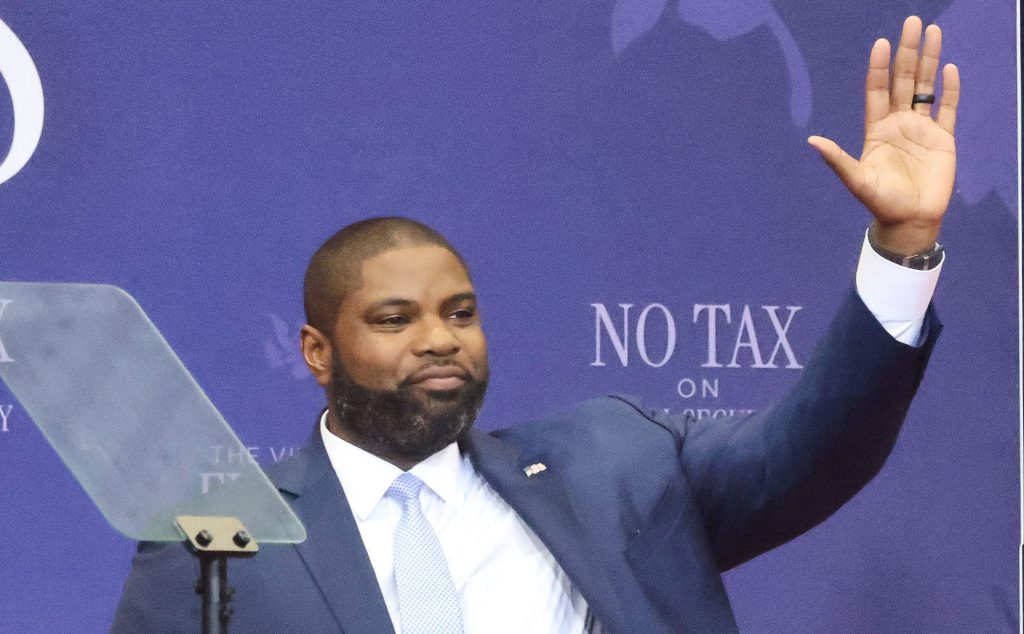
Byron Donalds’ Read to Succeed would continue exactly those conditions. It is a state-designed plan with state-written goals, no named implementing agency, no committed budget, and by Donalds’ own description, no new mandates. If it passes and fails, there is no mechanism to catch it. Orange County has just gained an independent measure of its progress. This plan would let the state opt back out.
Florida has launched multiple statewide literacy initiatives over the past 25 years. The pattern is consistent: the state writes the goals, sets the standards, and hands implementation to local districts. When scores do not move, no one in Tallahassee is named in the failure. The state controlled the resources, wrote the standards and designed the system. But the blame traveled down to local districts anyway. It never traveled up.
No state official has ever faced a consequence for a failed literacy program. The officials who designed the policy issued new reports, announced refinements, and launched new initiatives with new names. Statewide today, 44% of Florida’s fourth-graders still cannot read at grade level. That is not the result of local failure. It is the result of a system designed so that accountability flows down and never up.
Read to Succeed names no agency responsible for implementation. It carries no line-item state budget commitment. Donalds described it himself as not a new mandate, which means no new requirements and no new enforcement.
What happens if proficiency rates do not improve? The plan does not say. Who answers for it? The plan does not say. Which office gets called before the legislature to explain the results in 2028? The plan does not say. These are not details to be worked out later. They are the architecture of accountability, and their absence is not an oversight. It is a pattern.
 Orange County’s debut NAEP scores show OCPS outperforming most large urban school districts in the country. That reflects genuine work by local teachers and administrators, not a gift from Tallahassee. It also means Central Florida families now have something they did not have before: an independent measure the state did not write and cannot rewrite.
Any literacy plan that comes out of this governor’s race should be evaluated against what it does to protect and extend that accountability, not what it promises in a press release. Read to Succeed, as written, does not name who is responsible, does not commit state dollars, and does not define what failure looks like. A plan with no owner, no budget, and no consequence is not a plan for our children. Florida’s families have earned a governor who will be answerable for the results. This is not that plan.
Crystal Etienne is president of EduVoter Action Network.