Alexia Rivera | Contributing Writer
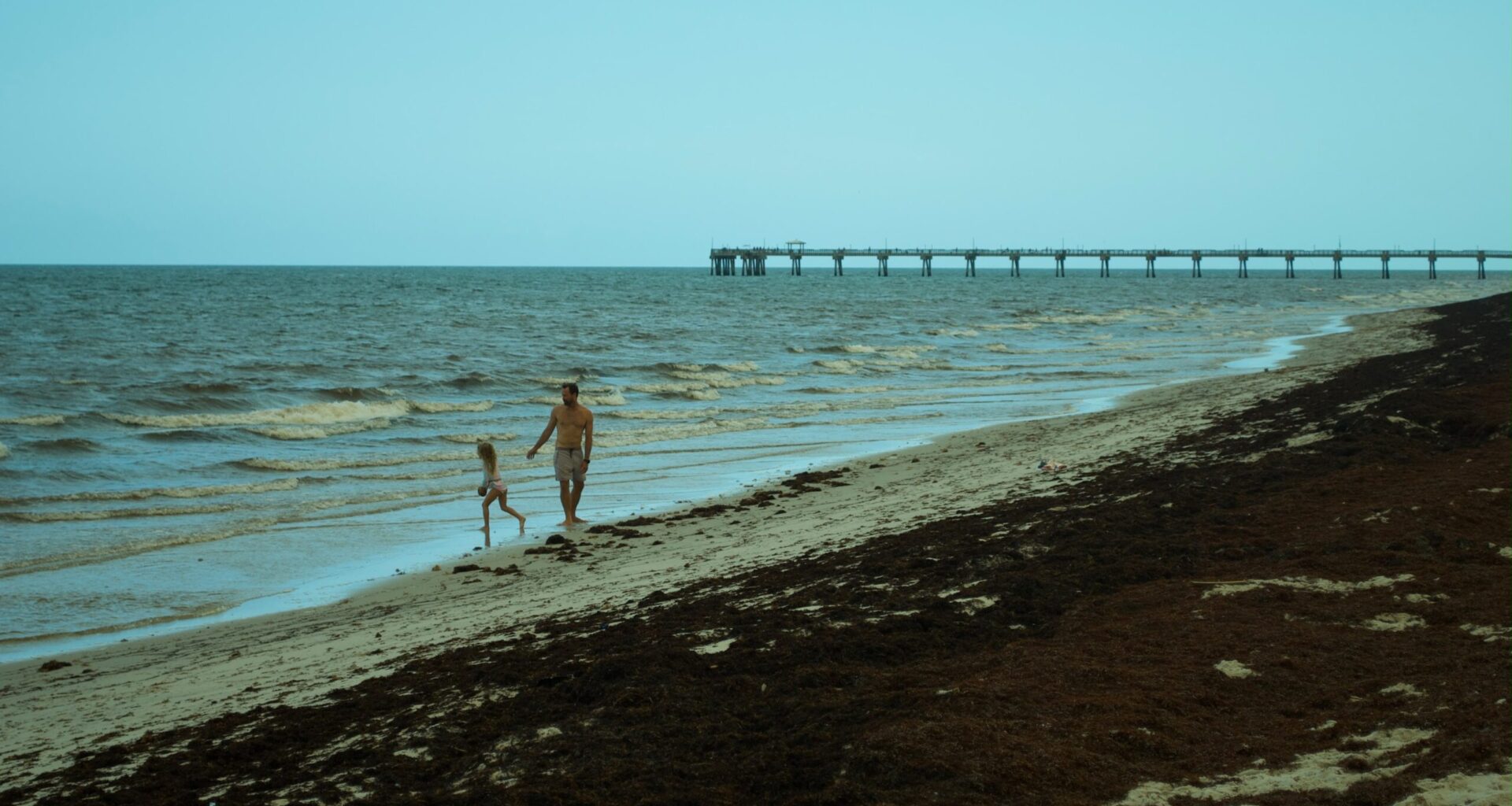
South Florida beaches are covered in part of 10 million metric tons of sargassum floating through the Atlantic Ocean, and FIU researchers are conducting a study to find ways to turn sargassum into something useful.
Dr. Imran Ahmad, food scientist at FIU Chaplin School of Hospitality & Tourism Management and co-author of a recent study, explains to FIU News that compounds found in sargassum like alginate are also used in several other food items.
While sargassum is not yet classified as a food source and Florida Law regulations play a factor when handling the material, the bigger idea for this research is to reduce its negative environmental impact.
“I think if we go about this research the right way, we can benefit a lot from it,” said FIU marine biology student and Reverse Lab intern, Mariella Torres.
She explained that algal blooms and sargassum brown tides are creating a lot of problems such as poor water clarity, lower oxygen levels, and harming corals.
“Taking all this extra sargassum that we don’t potentially need in the ocean, we can then create it into different things like better fertilizer,” said Torres.
Torres explains that this will eventually improve crop yields and prevent toxins from going back into the ocean. Sargassum can also be used for sustainable energy like biogas, combustion, and compost for farming.
In addition to sargassum potentially being used in food items, Torres explains that it can be used for a lot of cosmetic and personal care items.
“These massive landings of sargassum are actually impacting coastal areas,” said Principal Investigator of Reverse Lab, Dr. Alain Durán.
Dr. Durán, who works with Coastal Conservation and Restoration Laboratory at FIU, explains that it’s harder to tell how sargassum impacts coral reefs but that the effects are more targeted towards seagrass bands, mangroves and salt marshes.
“This input of nutrients into the system actually changes the entire dynamic,” Dr. Durán said. He explains that sargassum decomposition increases nitrate and phosphate concentration and heavy metals.
“Think about sea grass beds that are usually dominated by sea grasses,” says Dr. Durán. “This input of nutrients may actually be shifted through dominations of seaweed.”
Seaweed domination negatively impacts refuge and food for organisms provided by seagrasses and he explains that this is very dangerous for ecosystems.
Using sargassum for construction is another way to sustain the material.
According to Dr. Durán, FIU’s science, architect, and engineer departments are working together with a grant from the Environmental Protection Agency to test how sargassum could be used to build structures.
Seaweed flies surround piles of washed up sargassum | Photo by Alexia Rivera
Summer sargassum washes up on South Florida beaches attracting seaweed flies and protruding foul smells. It stretches for miles on the shores and fills the ocean in Dania, Hollywood and Miami.
“It’s to the point that you can’t even be in the sand because the smell gets to your head and you can’t even go in the ocean,” said FIU student and frequent beachgoer, Lucia Heighes.
Heighes explains that the water conditions of her go-to beach, Crandon Park, located in Key Biscayne, was completely brown and smelt bad. To avoid the summer sargassum her alternatives have been public pools and cleaner areas such as Sunny Isles Beach.
This is not only an issue for Miami residents, but also for tourists who come to visit Florida during summer break.
FIU research and development is closer to cleaner summers and healthier ocean environments for South Florida beaches.
About Post Author