
Pinellas County residents will remain under emergency watering restrictions for at least another three months as water managers grapple with one of the region’s most significant droughts in recent years.
The Southwest Florida Water Management District has extended its Modified Phase III Extreme Water Shortage Order through Oct. 1, keeping strict conservation measures in place across Pinellas and much of west-central Florida.
The decision comes despite the arrival of the summer rainy season. While recent storms have provided some relief, water managers say months of severe rainfall deficits created conditions that cannot be reversed quickly.
The drought’s impact became increasingly visible throughout the spring. Lake levels dropped, groundwater supplies declined and regional drinking water reserves came under pressure. Earlier this year, the district reported that rainfall deficits exceeded a foot in some parts of the region, prompting officials to enact emergency restrictions rarely seen in Tampa Bay.
For residents, the most noticeable change remains outdoor irrigation.
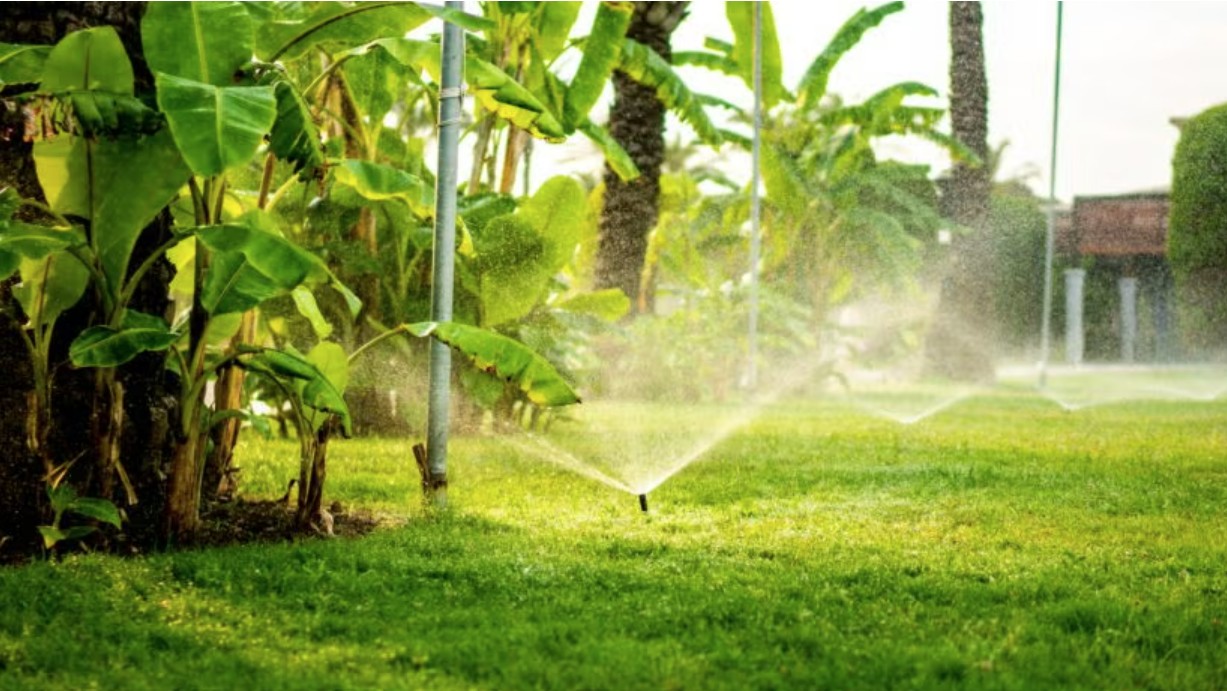
Customers served by Pinellas County Utilities and many municipal systems throughout the county are limited to watering lawns once per week during designated overnight hours. The restrictions apply regardless of whether water comes from public utilities, private wells, ponds or reclaimed water systems.
Officials have repeatedly emphasized that landscape irrigation represents the largest discretionary use of water in most households. During dry periods, outdoor watering can account for more than half of residential water consumption.
The restrictions extend beyond lawn watering.
Homeowners associations cannot require residents to install new landscaping that would increase water use during the shortage. Residential car washing is limited to designated watering days and requires hoses equipped with shutoff nozzles. Ornamental fountains face operating limits, and restaurants may provide drinking water only when requested by customers.
The extension reflects broader concerns about the region’s long-term water supply.
Pinellas County relies heavily on the regional system operated by Tampa Bay Water, which supplies drinking water to more than 2.5 million residents across Hillsborough, Pasco and Pinellas counties. The utility draws water from a combination of groundwater wells, surface water sources and a seawater desalination plant in Apollo Beach.
That diversified system has helped the region avoid the severe shortages experienced elsewhere in Florida during past droughts. However, officials have warned that conservation remains critical when prolonged dry conditions reduce natural replenishment of reservoirs, rivers and aquifers.
The current restrictions represent one of the strongest conservation measures available short of more severe emergency actions.
Enforcement has become stricter as conditions have persisted. Earlier this year, Pinellas County Utilities moved away from warning-only enforcement and began issuing citations carrying fines for violations. County officials said stronger enforcement was necessary because voluntary conservation alone was not producing the reductions needed to protect water resources.
The timing of the extension means residents will continue operating under emergency rules throughout the peak summer months and into the early fall.
Water managers hope seasonal rainfall will continue improving conditions, but they have indicated that current water levels remain below where they should be for this time of year. Extending the order provides additional time for water resources to recover while limiting unnecessary consumption.
For now, officials are urging residents to view conservation as more than a temporary response to drought.
Population growth throughout Tampa Bay continues to place increasing demands on regional water supplies, making efficient water use an increasingly important part of long-term planning across Pinellas County and the broader region.