
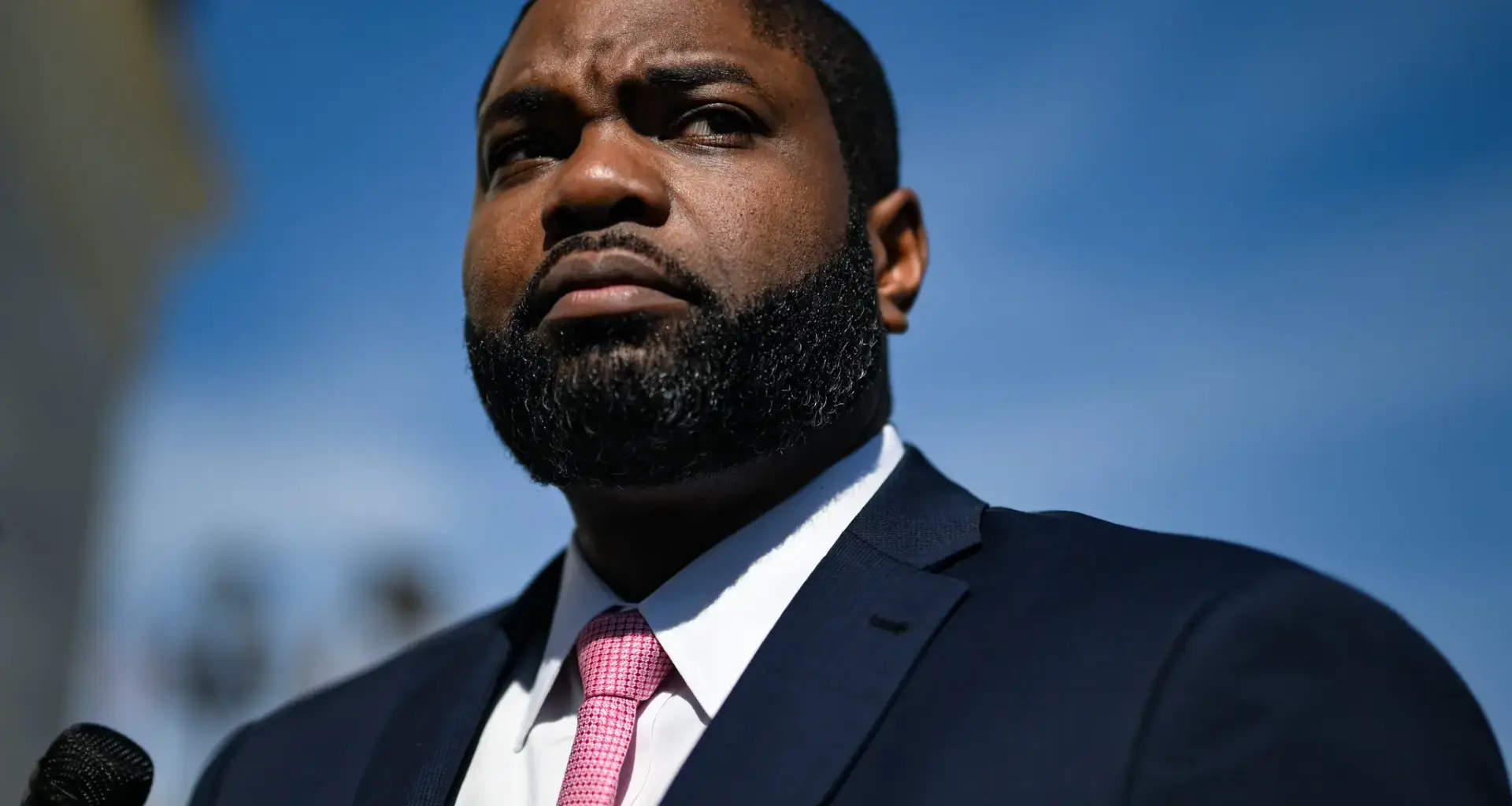
Byron Donalds, newly endorsed by the Florida Chamber of Commerce in his bid for Governor, took the stage Tuesday to lay out an education agenda he says is critical for keeping Florida’s economy on track.
At the Florida Learners to Earners Workforce Solutions Summit, Donalds told the audience that Florida’s economy is on the verge of moving beyond its familiar pillars—tourism, agriculture, construction and healthcare. He pointed to finance and commercial space as sectors that are quickly gaining ground.
“We’re rapidly expanding,” Donalds said. “We’re going to have two more legs” supporting Florida’s economy.
Donalds cited the steady arrival of financial firms relocating from states like New York, Illinois and California, as well as the ongoing boom in commercial space launches along the Space Coast. Both trends, he argued, will demand a deeper bench of skilled workers than Florida has today.
To prepare for that future, Donalds outlined what he described as a ‘world-class’ K-12 education system, anchored by three main initiatives.

The first, called ‘Read to Succeed,’ would focus on making sure every student reads at or above grade level by the end of third grade. The plan calls for more evidence-based reading instruction and extra tutoring for students who fall behind.
The second proposal would introduce voluntary ‘personalized success plans’ starting in middle school. These plans would bring together students, parents and educators to map out individualized paths based on each student’s strengths and career goals.
Finally, Donalds proposed a “Launch Pad” initiative that would expand internships, apprenticeships, credentialing opportunities and work-based learning for high school juniors and seniors in partnership with Florida employers.
“If you’re not going to go to the University of Florida, then why are you in the classroom for five days a week in junior year?” Donalds asked. “Maybe one of those days you should be on the job, actually getting experience at something that you can put your hand to and really begin to build a life with.”
Donalds argued the state’s education system should place greater emphasis on workforce skills alongside traditional college preparation.

“The pathway towards economic viability in the information age … is going to be based far more on skills attainment, based far more on real-world, on-the-job training than it is going to be the piece of paper that you get when you walk across the stage,” he said.