
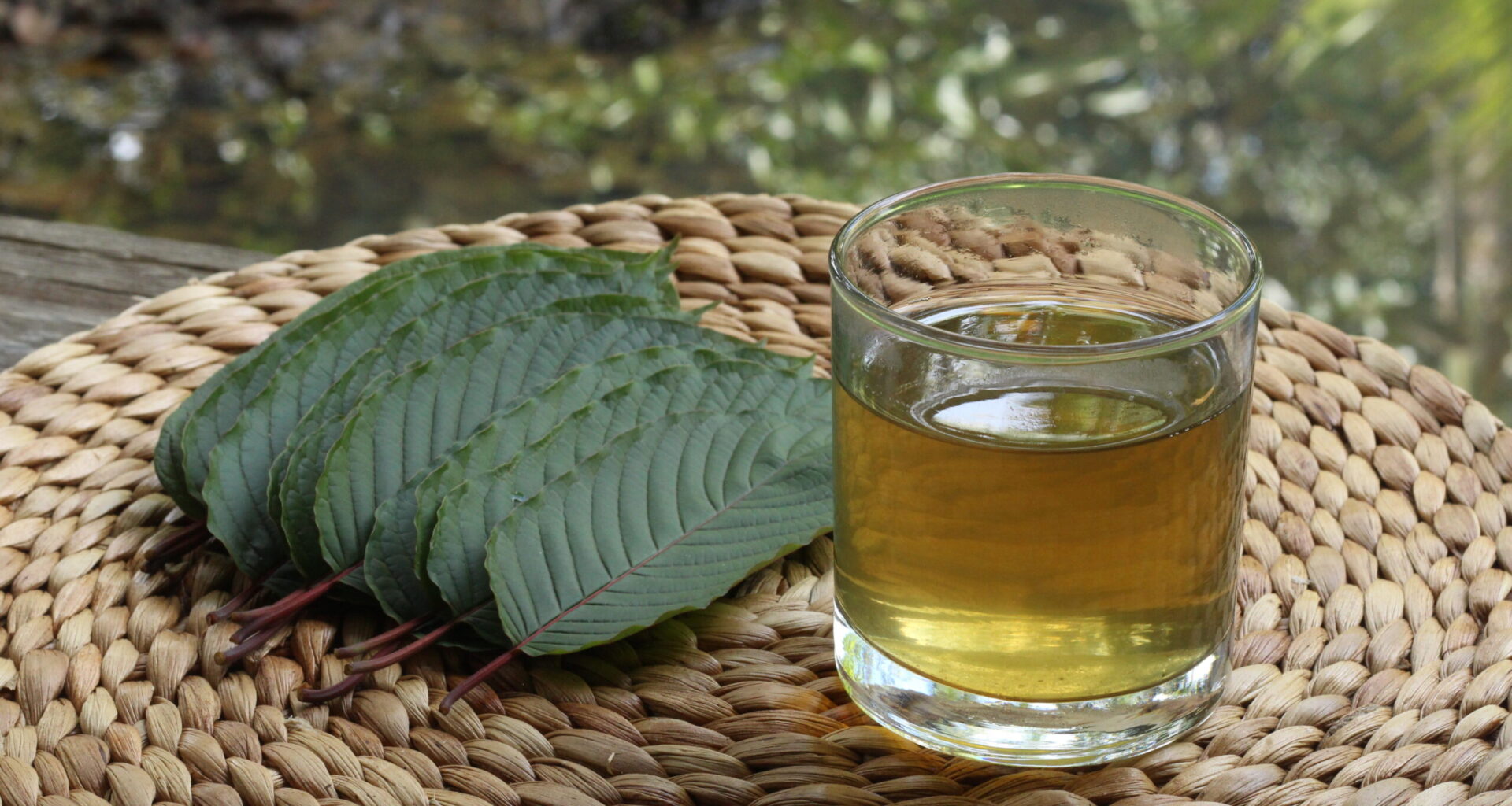
Attorney General James Uthmeier has signed a new emergency rule once again targeting 7-hydroxymitragynine, commonly known as 7-OH, and related compounds.
The announcement ensures Florida’s industry-fueled fight over kratom-derived products will continue, but it should also force a more honest conversation about what this policy does, and just as importantly, what it leaves untouched.
For months, the fight over 7-OH has been framed as a simple public health debate. But major investigations from The New York Times and WIRED have pulled back the curtain on something far more troubling: an entrenched segment of the kratom industry has been working to protect its own market position by pushing restrictions on competitors, while leaving many other more dangerous kratom products, including mixed beverages, shots and powders, on the shelves.
That matters because Florida’s answer to an unregulated marketplace should not be a narrow ban that benefits one side of the kratom industry over another. It should be comprehensive regulation that applies to every kratom-derived product sold in the state.
Even voices calling attention to the dangers of kratom have made clear that the problem is broader than 7-OH alone. At the Attorney General’s press conference, Patti Wheeler, a mother who lost her son after he used kratom, said, “While the proposal before Florida focuses on 7-OH, my concern goes much further.”

She is right to raise that concern. Wheeler also warned that families do not expect a loved one to walk into a gas station and buy something that could lead to addiction or death. She pointed specifically to products that are “not the concentrate” and “not the 7-OH,” including small bottles marketed under names like “Feel Free.”
The New York Times reported that Homeland Security Secretary Markwayne Mullin disclosed an investment worth as much as $1 million in Botanic Tonics, the company behind Feel Free, a kratom and kava beverage sold nationwide. The Times also reported that Botanic Tonics founder Jerry W. Ross became a leading figure in an influence campaign designed to benefit kratom companies at the expense of rival products.
WIRED described the same fight as a “kratom civil war,” with legacy kratom interests pushing for restrictions on 7-OH even as other kratom products remain widely available and largely unregulated.
These reports were significant because they changed the public understanding of the debate. The question is no longer simply whether 7-OH should be regulated. It clearly should. The question is whether Florida should allow one corner of the kratom industry to use prohibition as a competitive weapon while more dangerous, mixed and poorly labeled products continue to sit on shelves.
President Donald Trump recently added an important distinction to this debate when he said his administration is looking “very seriously at natural 7-OH” and getting it approved. That distinction matters. Properly vetted, clearly labeled and responsibly sold products should not be treated the same as adulterated, synthetic or mystery products mixed with other substances.

Florida’s recent legislative debate followed the same divide.
During the last Legislative Session, lawmakers considered proposals that would have banned 7-OH outright, as well as separate legislation, filed by Sen. Joe Gruters, that would have created a comprehensive regulatory framework for all kratom products. Neither approach ultimately passed. But the contrast between the two proposals remains important.
A narrow 7-OH ban would not have kept other kratom products off convenience store shelves. It would not have addressed products mixed with kava, caffeine or other psychoactive substances. It would not have established meaningful testing, labeling, packaging or age-gating requirements across the full marketplace. It would have targeted one molecule while leaving broader consumer safety problems unresolved.
That is not sound public policy. It is selective prohibition, and recent reporting suggests it may have been shaped as much by industry self-interest as by consumer protection.
Florida needs rules that apply to the entire category, including traditional kratom powders, capsules, extracts, shots, gummies, beverages and 7-OH products. Those rules should include age restrictions, child-resistant packaging, third-party lab testing, clear labeling, dosage limits, adverse event reporting, product liability insurance and restrictions on mixing kratom-derived products with other substances that may increase risk.
This is especially important because some of the most troubling products in the marketplace are not simply 7-OH products. They are kratom products mixed with other ingredients and marketed as wellness beverages, energy shots or sober alternatives. Feel Free, for example, has faced lawsuits from consumers who alleged they became dependent on the product. Federal authorities previously seized bottles of Feel Free and other kratom products amid safety concerns.
That is precisely why regulation must be broad.
Banning 7-OH while leaving products like these on shelves does not protect consumers. It simply creates a false sense of action while allowing other risky products to remain in circulation.
There is also a broader public health context Florida cannot ignore. Opioid overdose deaths in the state have fallen dramatically over the past few years. According to federal data, Florida’s rolling 12-month count of opioid overdose deaths dropped from a peak of more than 6,100 in early 2022 to roughly 2,300 in the 12 months ending in October 2025 — a decline of more than 60%. The steepest stretch of that progress has come since mid-2023.
No single factor explains that decline. Expanded treatment, naloxone access, public health outreach and changes in the illicit fentanyl supply may all be playing a role. But the lesson is clear: harm reduction works when people have more pathways away from the deadliest substances.
For some Floridians, kratom-derived products have been part of that path.
Kendall Tipper, a U.S. Army combat veteran, argued that 7-OH saved his life after serving in Afghanistan, helping him manage chronic pain and remain sober following years of opioid dependence. Chris Carroll, who has spoken publicly about his recovery from heroin addiction, has said 7-OH helped him stay clean, employed and present for his family.
Their stories do not mean these products should be unregulated. They mean policymakers should be careful before removing options from adults who say they are using them to stay away from fentanyl, heroin or illicit pills.
The choice is not between a free-for-all and a ban. That is a false choice.
The Attorney General’s new emergency rule may remove certain 7-OH products from shelves, but it does not resolve the larger regulatory failure. The lesson from recent reporting, recent legislation, and Florida’s own overdose progress is that prohibition remains too blunt an instrument.
If the goal is to protect consumers, keep products away from kids and prevent another unregulated market from taking hold, Florida should regulate comprehensively.
___
Ed. note: This story was drafted with assistance from AI. Editorial judgment, sourcing, and final review were performed by Peter Schorsch and the Florida Politics editorial team.