
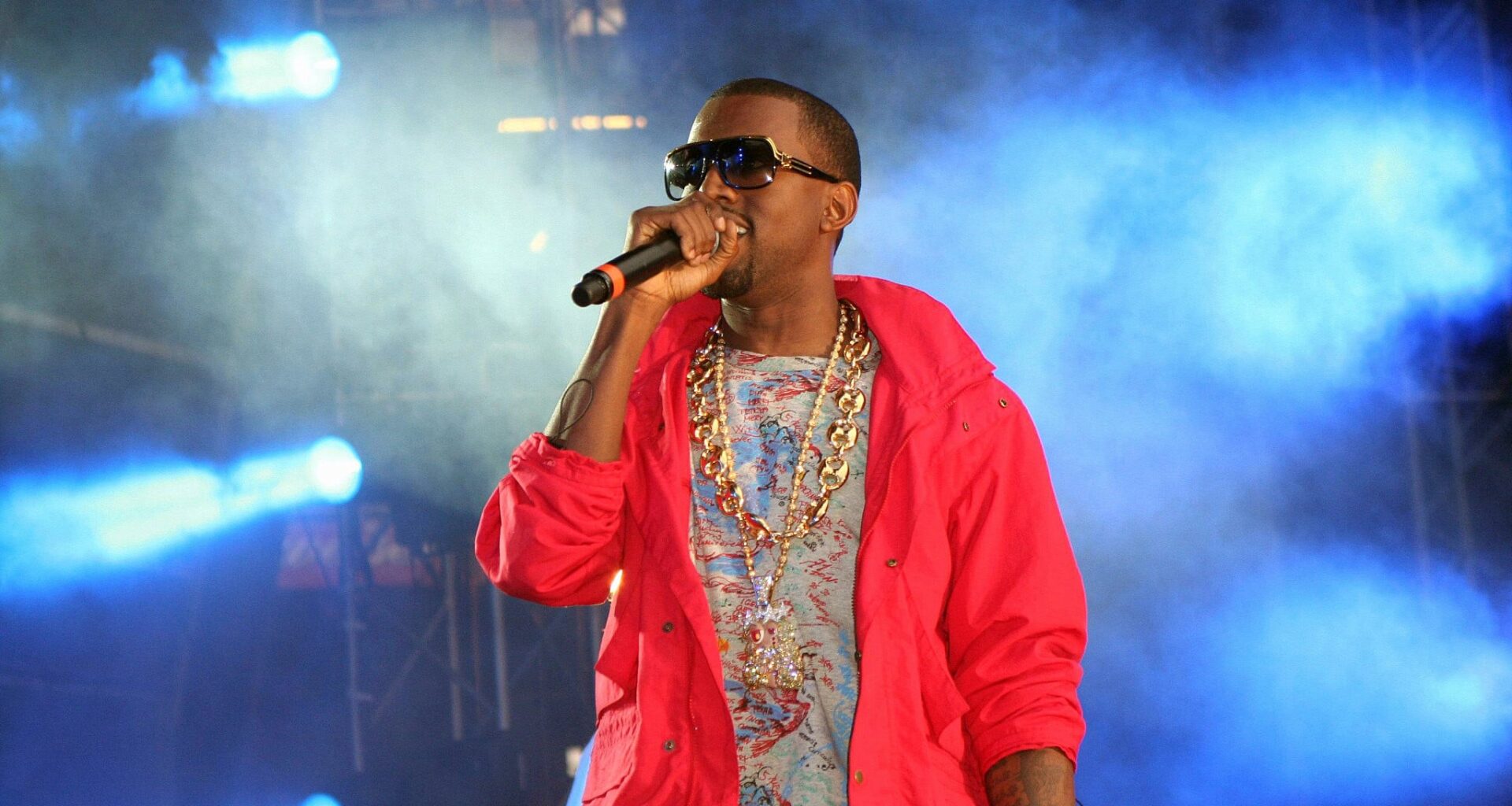
This weekend, Rapper Ye (formerly known as Kanye West) will perform in Tampa. I have some complicated feelings about that.
At summer camp, I posed the question to a group of teenagers: If you were a booking agent, would you have booked this concert at your theater? I expected consensus. I didn’t get it. Some said free speech is sacrosanct; we can boycott or picket, but the booking itself is defensible. Others said they wouldn’t book him at all. A third group said they’d be happy to attend, after all, they love his music – they chalked his statements up to bipolar disorder.
Hey kids – Did you know: Rapper Ye (formerly Kanye West) has made a series of increasingly explicit antisemitic statements and actions, including declaring “I am a Nazi” on X and releasing a song titled “Heil Hitler” that samples a 1935 Adolf Hitler speech. He has also aired a Super Bowl ad directing viewers to his Yeezy website, where the only item for sale was a $20 white T-shirt printed with a swastika? (Bruhh, What???)
Ye has been banned from venues across the United States and barred from the United Kingdom, where authorities determined his presence would not be “conducive to the public good.” Given that record, how did he get booked in Tampa? The Torah is pointed: “You shall not stand idly by the blood of your neighbor” (Leviticus 19:16). Indifference is not neutrality. Booking a performer with Ye’s unresolved record, before any meaningful public reckoning, is indifference dressed as business. Local efforts to cancel the concert were not effective. However, the local campaign to elected officials and theater management to call out antisemitic rhetoric, undoubtedly helped generate conversation about the current climate of antisemitism and perhaps will make a difference for the way artists are booked in the future.
What troubles me is not really the concerts. It’s what didn’t happen before the concerts were booked.
Jewish tradition has a precise framework for repair/tikkun called teshuvah. Maimonides defines complete teshuvah as encountering the same situation in which one sinned, having the opportunity to repeat it, and choosing differently, not out of fear, but out of genuine change (Mishneh Torah, Laws of Teshuvah 2:1). The Mishnah adds a sharper condition: “Sins between one person and another are not forgiven until one appeases the one they have harmed” (Yoma 8:9).
Ye did place a full-page apology in the Wall Street Journal – the sincerity of which remains disputed. Even granting its sincerity, a single ad, as expensive as it may be, is not exactly teshuvah; maybe it is the beginning of a process. Instead, he moved from hateful public statements directly to stadium tours, skipping the steps that true repair requires. Proverbs reminds us: “The tongue has the power of life and death” (18:21). Words with Ye’s reach do not simply evaporate, they proliferate.
Ye: the path is still open.
If you need some direction, let me guide you: Meet with Jewish community leaders around the world- not for a photo op, but for real dialogue. Fund a center for Black-Jewish conversation. Donate concert proceeds to organizations fighting antisemitism. Make the repair as public as the harm. Local organizations have made note of our situation and have taken bold action: The Florida Holocaust Museum in Tampa Bay took the reigns by responding to hate speech with an open door, offering free admission this weekend. That is how communities can choose to answer: with education, with engagement, with a refusal to let hatred have the last word. Kanye – maybe you can fit in a visit to the museum while you are in town!
A harder word: for us
Jewish public figures and organizations have largely said: no or not yet to Ye. We are not ready to forgive. The wounds are real, and rising antisemitic violence is real. But “not yet” should not mean that we can never forgive, and that distinction matters.
On the other hand, cancel culture does not produce dialogue, it builds walls. The Torah obligates us to speak up. We are also obligated to remain open to genuine change. Holding the standard of what teshuvah actually requires, while staying open to the person who might yet meet it, is at the core of our tradition’s wisdom. I could only hope that Ye will take the cue to engage in greater public discourse about his previous antisemitic comments and actions and start down the road of true repair.
What my students taught me
In cities where Ye has been permitted to perform, he plays to sold-out houses. Some ticket holders have stated compassion for his mental illness and weighed that compassion against his words. Many more, I suspect, simply don’t know or don’t care about the antisemitism at all. When thoughtful young people can shrug at hatred, racism, antisemitism, unfounded bigotry, as we see unfolding in our day, we clearly have work to do, in our Jewish classrooms, and in our culture as a whole.
Ye, do the right thing: take the steps to repair – in the right order and in public, with your resources to support your message. Meet your “blessings with responsibility”, as you once said. The Jewish people could use a an ally and an apology right now – loud, firm and active, to model the beginning of a healthier society devoid of hate. When you take those bold steps, even those who don’t support the art of rap, will be thrilled to support the artist who tried to make a difference. To quote Kanye West back in 2013 Rolling Stone interview: “I’m not comfortable with comfort,” he said. “I’m only comfortable when I’m in a place where I’m constantly learning and growing.” Ok Ye, let the learning begin.
Rabbi Danielle Upbin is a Congregational rabbi and spiritual leader in Clearwater, FL. She is also a community educator for Myjewishlearning.com. She writes and teaches about topics related to Jewish spirituality, mindfulness, and personal development.